
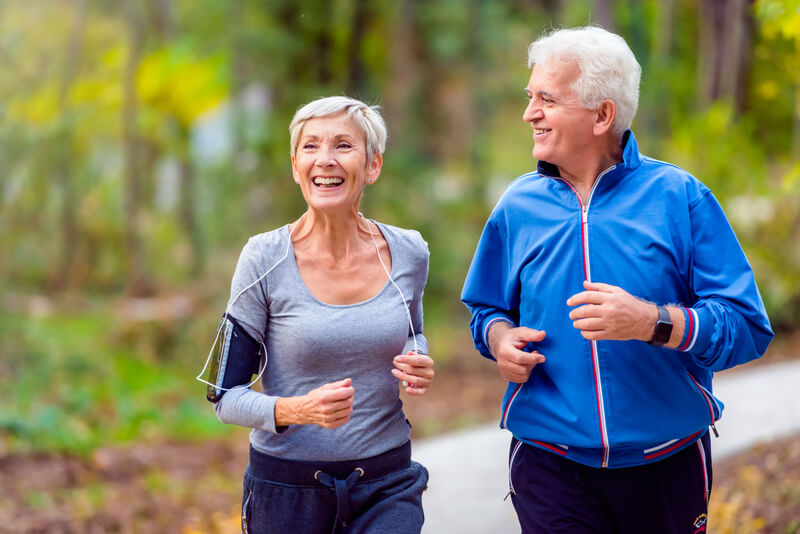
If there’s one thing I want my 50+ friends to hear loud and clear, it’s this: walking is one of the most powerful pillars for lifelong independence and longevity.
We want to stay sharp, steady on our feet, active with our families, and independent in our daily living as we age, and walking is one of the simplest, most effective ways to make that happen.
And here’s the best news: it’s accessible, it’s free, and you can start today.
The Step Gap: Most Americans Aren’t Moving Enough
The average American gets roughly 3,000 steps per day. For context, research shows major improvements in health begin at about 7,000–8,000 steps/day, and anything above 8,000 is even more beneficial for longevity and heart health.
Meanwhile, most adults spend 8–10 hours a day sitting, and prolonged sitting has real consequences, such as raising blood sugar, slowing metabolism, and increasing risk of chronic disease.
Simply swapping some sitting time for steps can dramatically change your health trajectory. People who walk ~7,000 steps/day have a 25% lower risk of cardiovascular disease and a 47% lower risk of death from any cause compared with those averaging ~2,000 steps/day. Even short walks of 10–15 minutes per day reduce cardiovascular risk.
A Daily Walk is One of the Best “Multivitamins” You Can Take
Walking provides whole-body benefits — for your heart, your brain, your metabolism, your mood, and even your sleep.
Here are 5 research-backed benefits of walking:
1 - Better Heart Health & Lower Disease Risk- Walking improves blood flow, lowers blood pressure, and supports healthier arteries. It also lowers the risk of stroke, diabetes, and premature death.
2 - Metabolism, Fat Loss & Blood Sugar Control - Walking after meals, especially after dinner, helps lower blood glucose and smooths insulin response. The Mayo Clinic reports that regular brisk walking helps maintain a healthy weight and reduce body fat.
3 - Brain Health & Cognitive Protection - Walking boosts blood flow to the brain, enhances memory and focus, and reduces dementia risk. Regular walkers show improved cognitive performance and healthier aging.
4 - Better Mood, Mental Health & Sleep - Walking triggers:
- Endorphins — your natural “feel-good” chemicals
- Serotonin — the neurotransmitter that boosts mood, sleep, learning, and appetite regulation
- Lower cortisol — helping you cope with stress more effectively
Studies show walking can reduce anxiety and depression and improve sleep quality.
5 - Joint, Bone & Balance Health- Walking strengthens muscles and bones without stressing joints. It's also one of the easiest ways to improve balance and prevent falls.
Beyond the clinical benefits, walking offers lifestyle advantages that make it fun and sustainable:
- Sunlight exposure - supports circadian rhythm, vitamin D, and mood
- Highly social - great way to connect with friends and family
- Weather-proof - treadmill in winter, mall walking, or indoor tracks
- Low barrier to entry - no equipment, no gym required, accessible to most
Several of the doctors and experts we’ve interviewed on The Better For You Podcast recommend walking as the foundational exercise for longevity.
Walking for Stress Relief: Move Your Way Into a Calmer Brain
When you exercise, your body releases endorphins, which create that natural “high.” But the benefits go even deeper. Walking and breathwork together are two of the most effective ways to shift your nervous system out of stress mode.
Walking increases the production of the hormone serotonin, which has a few key functions in our bodies. It promotes good sleep, regulates appetite, supports learning and memory, and increases positive feelings.
Even a casual 20-minute walk after dinner can create a calming effect that improves mood, focus, and concentration.
The 20-Minute After-Dinner Walk
If you adopt just one habit from this article, let it be this: Take a 20-minute walk after dinner. It smooths blood sugar, improves digestion, boosts overnight recovery, and helps you sleep better — all while lowering stress hormones.
If you’re currently at 2,000–4,000 steps per day, set a goal to increase by 1,000 steps. That’s it.
Here’s how I coach my clients:
- Start with casual to moderate speeds
- Add short walks after meals
- Use a treadmill on cold days
- Walk at the mall or local indoor spaces
- Invite a neighbor or friend and make it social
Consistency, not intensity, is the real secret. You don’t need complicated routines or expensive equipment. You just need a pair of walking shoes and the willingness to start.
The path to better health, sharper thinking, lower stress, and longer life begins with one simple habit: get to stepping!
Check out the AMAC Active Pro Shop for discounts on health and wellness solutions like ‘Fit Foundations’ personal training programs, YogaFit On Demand, Empower USA Self Defense, Relevate Brain Health Supplement by Neuroeserve, and more!
Melanie Griffin, ACE-certified Senior Fitness Specialist, Certified Brain Health Trainer, and Hormone Health Specialist, holds a B.S. in Sports & Fitness from the University of Central Florida. As the host of The Better For You Podcast, she helps midlife and senior adults improve their health through simple nutrition, exercise, and lifestyle strategies.


5 comments
What’s your experience?