

August 3
1958 — Nautilus Submarine Travels Under North Pole
On August 3, 1958, Commander William Anderson took the Nautilus beneath hundreds of feet of Arctic ice, crossing under the North Pole without ever surfacing.
Read moreEvery date on the calendar carries a piece of the American story — battles won, documents signed, inventions unveiled, and lives that changed the course of a nation. Stop by each day for the moments that made this date matter.
Pick a month to walk through its anniversaries, day by day.
On August 3, 1958, Commander William Anderson took the Nautilus beneath hundreds of feet of Arctic ice, crossing under the North Pole without ever surfacing.
Read more
On August 4, 1944, the Gestapo found Anne Frank and seven others after 761 days hidden behind a bookcase in Amsterdam. She was 15 and did not survive the war.
Read more
On August 5, 1957, 26-year-old Dick Clark brought the Philadelphia dance show to 67 ABC affiliates, where teens rated records from 35 to 98.
Read more
Ninety-five years after the Fifteenth Amendment promised the vote, literacy tests and intimidation still blocked the ballot box until Selma's Bloody Sunday forced Congress to act.
Read more
On August 7, 1782, Washington created a purple cloth badge for enlisted soldiers, not officers; only three men earned it before it became today's Purple Heart.
Read more
On August 10, 1939, a 17-year-old Judy Garland introduced "Over the Rainbow," later named the top song of the century, in a Wisconsin theater.
Read more
Al Capone arrived in 1934, and over 29 years, 36 men tried 14 times to escape the cold currents of San Francisco Bay.
Read more
On August 12, 1990, a stranded fossil hunter near Faith, South Dakota, spotted bones in a cliff that became "Sue," the most complete T. rex ever found.
Read more
Overnight on August 13, 1961, East German forces sealed Berlin with barbed wire to stop an exodus that had reached 1,000 people a day, many of them doctors and engineers.
Read more
On August 14, 1935, FDR signed the law creating old-age benefits funded by payroll taxes, born from a Depression that had wiped out the savings of older Americans.
Read more
The USS Constitution’s stunning victory over HMS Guerriere in 1812 became a defining moment in U.S. naval history and earned her the name “Old Ironsides.”
Read more
The 1794 Battle of Fallen Timbers crushed Native resistance in the Northwest Territory, paving the way for U.S. expansion and the Treaty of Greenville.
Read more
Hawaii became the 50th U.S. state on August 21, 1959, spurring economic growth, boosting tourism, and affirming its unique multicultural identity.
Read more
The 1996 PRWORA law reshaped U.S. welfare, replacing AFDC with TANF, emphasizing work, and redefining state and federal roles in social policy.
Read more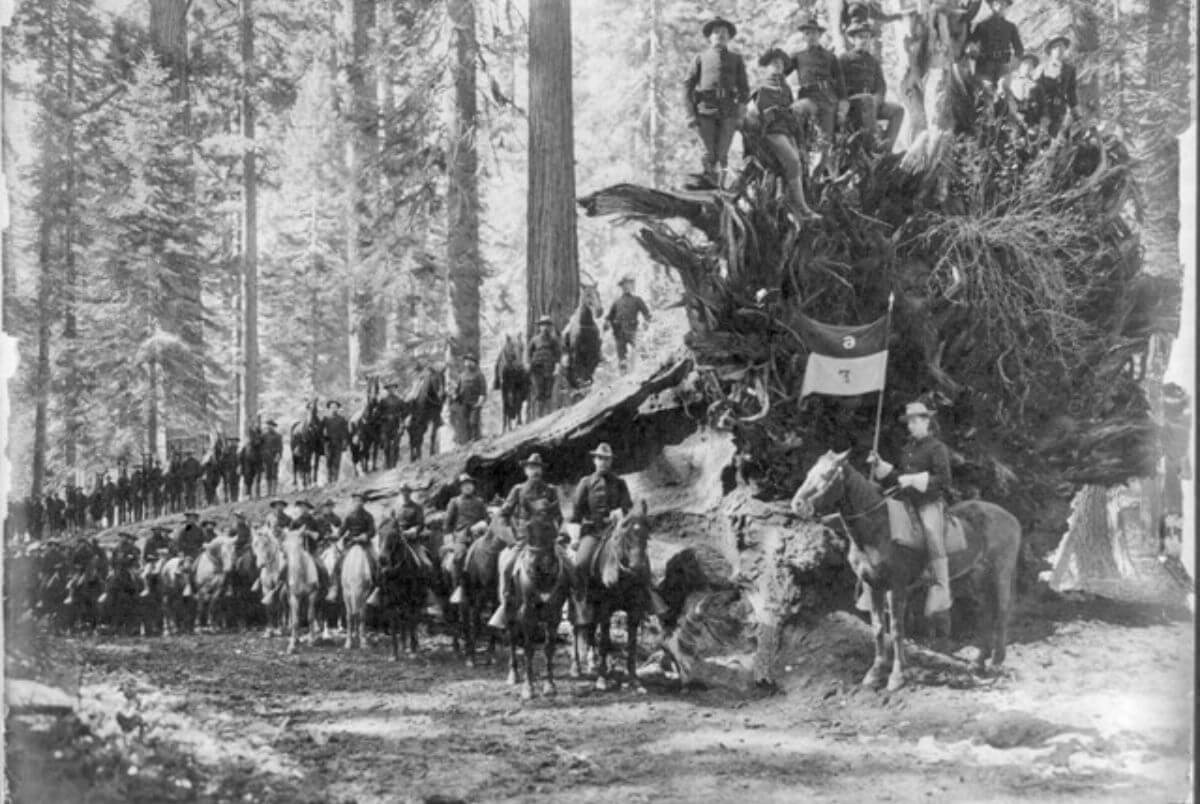
The 1916 Organic Act created the National Park Service, uniting U.S. parks under a single agency to conserve nature and history for future generations.
Read more
The ratification of the 19th Amendment on August 26, 1920, marked a pivotal moment in U.S. history—granting women the constitutional right to vote.
Read more
On August 27, 1859, Edwin Drake struck oil near Titusville, Pennsylvania, launching the modern petroleum industry and transforming global energy forever.
Read more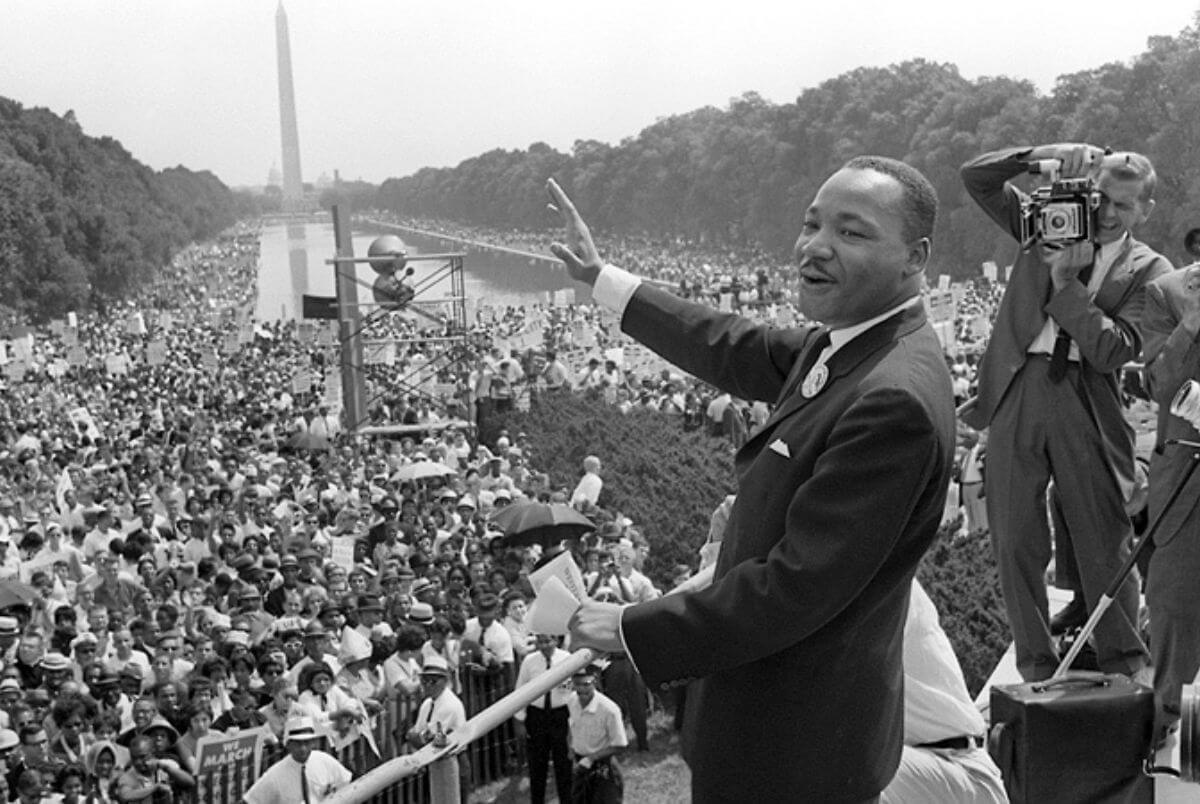
On August 28, 1963, over 250,000 people marched on Washington, D.C., to demand civil rights and hear Dr. King’s legendary “I Have a Dream” speech.
Read more
Hurricane Katrina devastated the Gulf Coast in 2005, flooding New Orleans and becoming one of the deadliest, costliest storms in U.S. history.
Read moreThe newest pages in the archive, fresh from the editorial desk.
On August 14, 1935, FDR signed the law creating old-age benefits funded by payroll taxes, born from a Depression that had wiped out the savings of older Americans.
Read moreOvernight on August 13, 1961, East German forces sealed Berlin with barbed wire to stop an exodus that had reached 1,000 people a day, many of them doctors and engineers.
Read moreOn August 12, 1990, a stranded fossil hunter near Faith, South Dakota, spotted bones in a cliff that became "Sue," the most complete T. rex ever found.
Read moreAl Capone arrived in 1934, and over 29 years, 36 men tried 14 times to escape the cold currents of San Francisco Bay.
Read moreOn August 10, 1939, a 17-year-old Judy Garland introduced "Over the Rainbow," later named the top song of the century, in a Wisconsin theater.
Read moreOn August 7, 1782, Washington created a purple cloth badge for enlisted soldiers, not officers; only three men earned it before it became today's Purple Heart.
Read more