
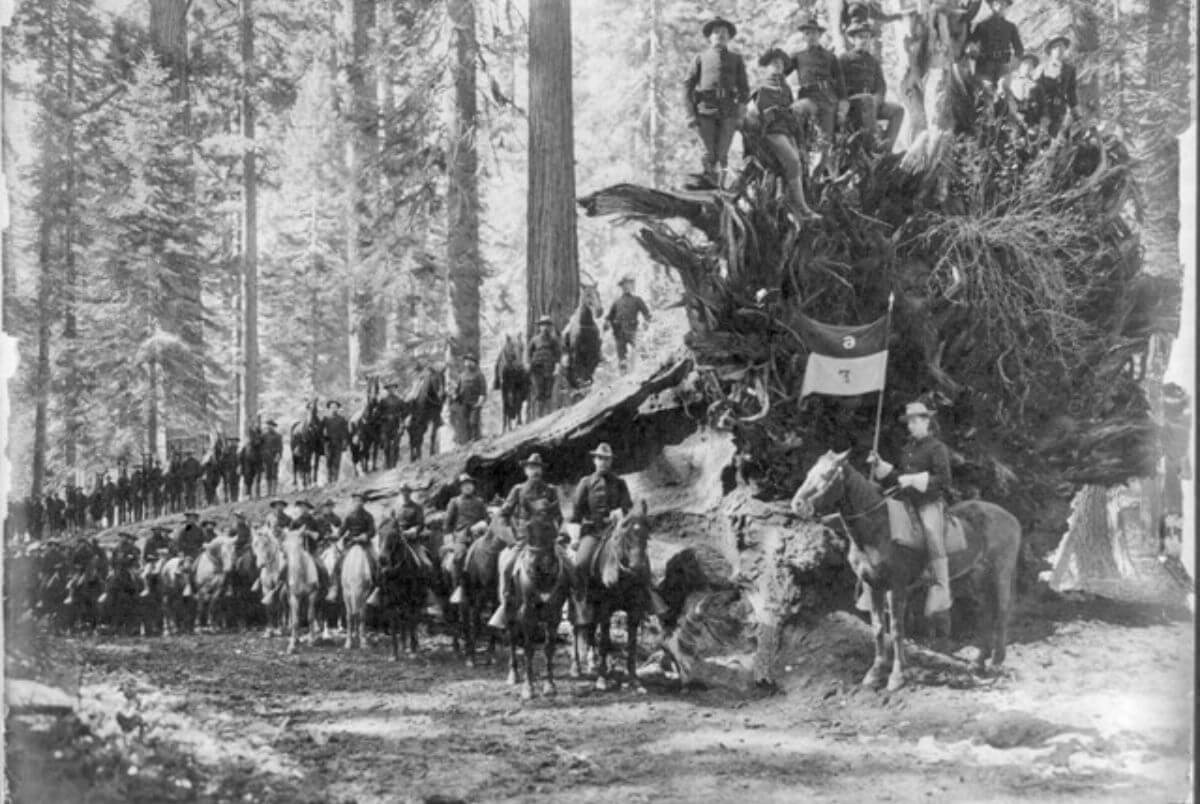

On August 25, 1916, President Woodrow Wilson signed into law what became known as the National Park Service Organic Act, creating the National Park Service (NPS) as an agency within the Department of the Interior. Charged with overseeing the nation’s national parks, monuments, and reservations, it unified a previously fragmented management system that had involved the War Department, the Forest Service, and agricultural agencies.
At its core, the Organic Act laid down a clear—and enduring—mandate: the NPS must “conserve the scenery and the natural and historic objects and the wildlife therein, and…provide for the enjoyment of the same in such manner…as will leave them unimpaired for the enjoyment of future generations”. This statement of purpose, penned by Frederick Law Olmsted Jr., was considered indispensable by conservation advocates like J. Horace McFarland—even as some feared its legal ambiguity might limit management flexibility.
The Act also defined the NPS’s structure, establishing it under a director appointed by the Secretary of the Interior, along with an assistant director, a chief clerk, a draftsman, a messenger, and such additional staff as authorized—imposing clear administrative authority and oversight from Washington.
Over the decades, the Organic Act has served as the Magna Carta of the national park system, providing purpose and vision for the NPS and influencing conservation efforts worldwide. Subsequent amendments—including the General Authorities Act of 1970 and the Redwood Amendment of 1978—built upon, but did not alter, the Act’s foundational conservation mandate.
Today, the NPS manages more than 400 units spanning over 85 million acres across U.S. states and territories—with its enduring mission still echoing the words of the Organic Act: balancing conservation with public enjoyment for future generations.


Comments
Do you remember? Share your memory.