
September 1
The Boston Tremont Street Subway - This Day in History
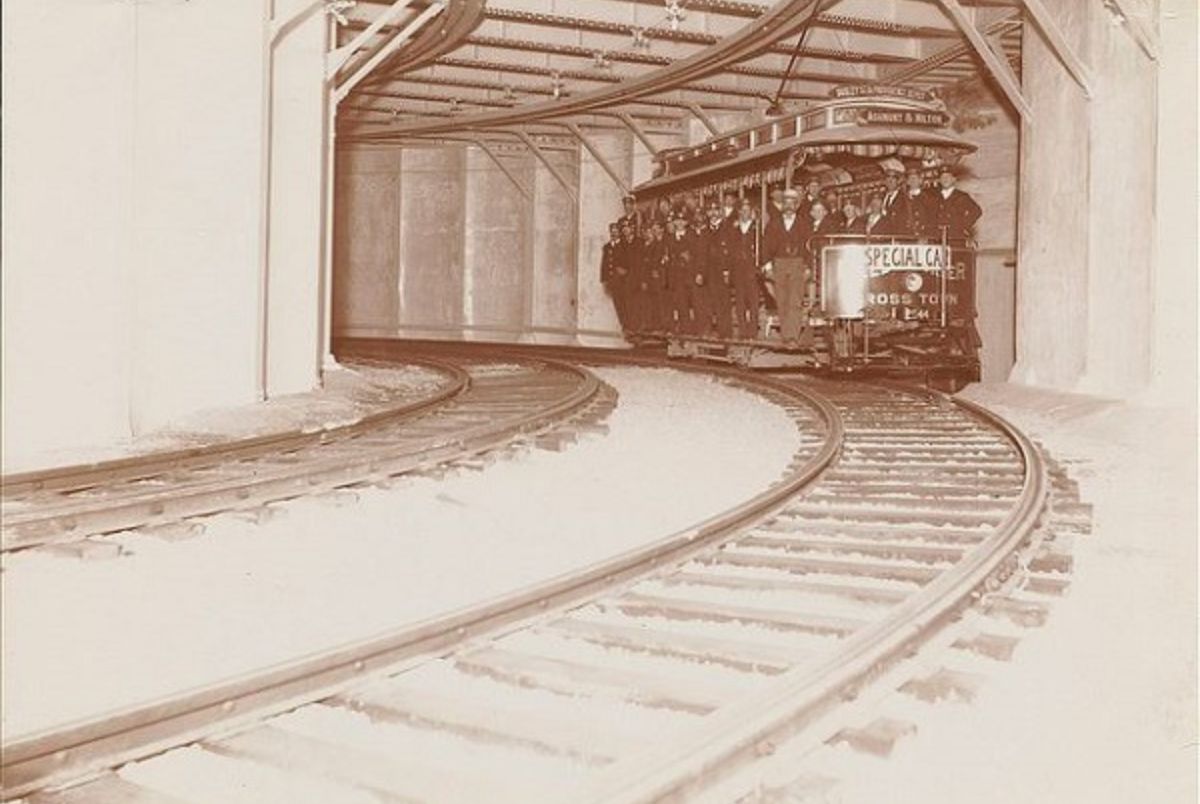
Boston’s Tremont Street Subway, opened in 1897, was the first subway in the U.S., marking a milestone in urban transit and shaping Boston’s rapid transit system.
Read moreEvery date on the calendar carries a piece of the American story — battles won, documents signed, inventions unveiled, and lives that changed the course of a nation. Stop by each day for the moments that made this date matter.
Pick a month to walk through its anniversaries, day by day.
Boston’s Tremont Street Subway, opened in 1897, was the first subway in the U.S., marking a milestone in urban transit and shaping Boston’s rapid transit system.
Read more
Days earlier, Germany and the Soviet Union had secretly agreed to split Poland between them, clearing Hitler's path to a war that killed tens of millions.
Read more
On September 2, 1789, Congress created the U.S. Department of the Treasury—establishing a structured system for national financial governance under Alexander Hamilton.
Read more
On September 2, 1969, a Chemical Bank branch in Rockville Centre, New York put out the first U.S. ATM, dreamed up by a man tired of waiting in a bank line.
Read more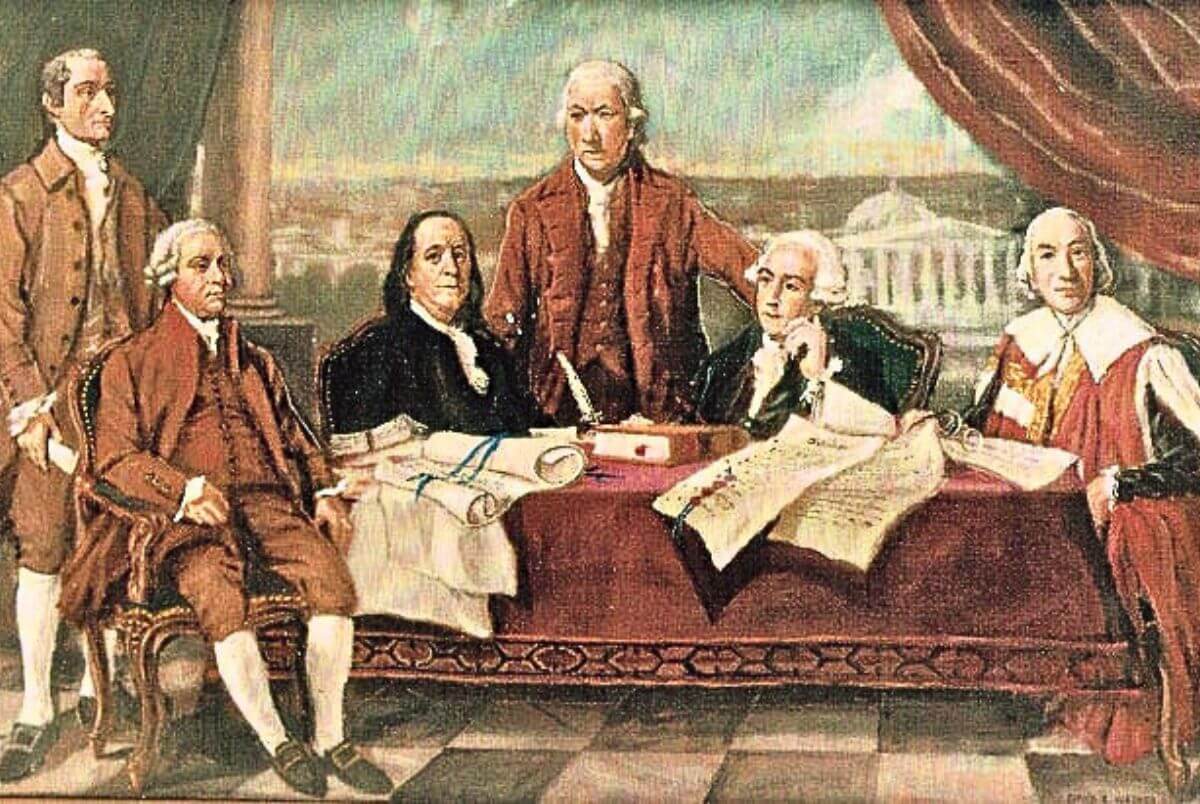
The Treaty of Paris, signed on September 3, 1783, officially ended the American Revolutionary War and marked a major turning point in world history.
Read more
A contaminated dish left out during Fleming's 1928 vacation killed the surrounding bacteria, but it took Oxford scientists until the 1940s to make penicillin usable on wounded…
Read more
On September 4, 1781, 44 settlers founded Los Angeles as a Spanish pueblo along the LA River, marking the city’s multicultural beginnings.
Read more
On September 4, 2016, Pope Francis canonized the nun who ran the Missionaries of Charity, which by her 1997 death operated hundreds of centers in more than 90 countries.
Read more
The first Labor Day parade took place in New York City on September 5, 1882, uniting thousands of workers in a historic show of labor solidarity.
Read more
Samuel Wilson, a Troy, New York meat packer, stamped his beef barrels "U.S." for the Army in 1812, and soldiers joked the letters stood for "Uncle Sam."
Read more
On September 8, 1974, President Gerald Ford controversially pardoned Richard Nixon for any crimes related to the Watergate scandal, sparking national debate.
Read more
Queen Elizabeth II died at 96 at Balmoral after a 70-year reign, having taken the throne at 25 in 1952 and worked with prime ministers across seven decades.
Read more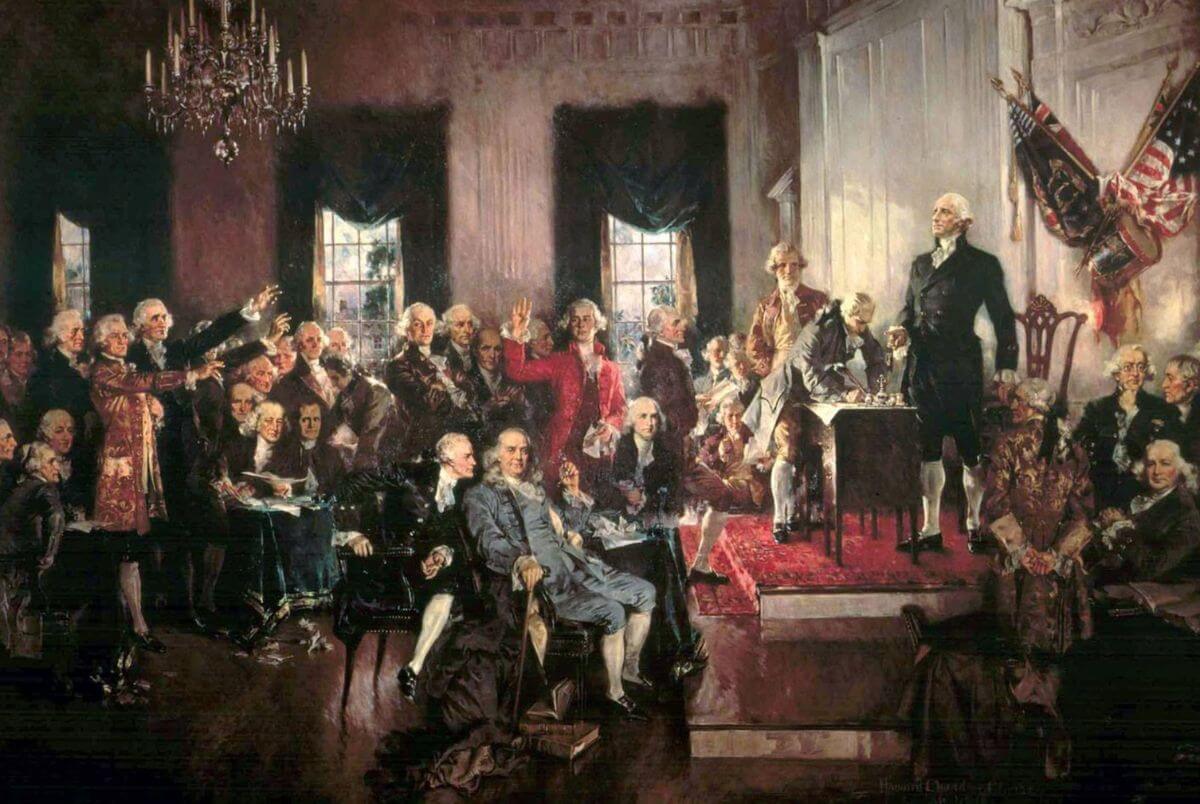
On September 9, 1776, the Continental Congress officially adopted “United States of America” as the nation's new name, replacing “United Colonies.”
Read more
On September 9, 1956, 60 million people—more than 80 percent of the TV audience—watched, though neither Elvis nor Ed Sullivan was in the New York studio that night.
Read more
On September 10, 1608, John Smith became president of the Jamestown colony, leading it from near collapse to stability through bold leadership and reforms.
Read more
George Smith crashed his electric taxi into a London building in 1897 after two or three beers, pleaded guilty, and paid a 20-shilling fine.
Read more
On September 11, 1777, Howe outflanked Washington near Chadds Ford and won the day, yet Washington saved the Continental Army to fight on despite losing Philadelphia.
Read more
A powerful remembrance of the September 11 attacks, honoring the lives lost, the heroes who responded, and the lasting global impact of that day.
Read more
On September 12, 1962, John F. Kennedy inspired a nation with his “We choose to go to the Moon” speech at Rice University, defining the Space Race era.
Read more
On September 14, 1964, a breakfast staple that would become a fixture in American kitchens made its debut when the Kellogg Company began selling Pop-Tarts.
Read more
The Inchon Landing of September 15, 1950, changed the Korean War’s course as U.S. Marines executed a bold amphibious assault to recapture Seoul.
Read more
Bob Gaudio wrote "Sherry" in about 15 minutes before a rehearsal, and the New Jersey group took its name from a bowling alley that had turned them down for a job.
Read more
The Mayflower's 1620 voyage to the New World marked a pivotal chapter in American history, setting the stage for Plymouth Colony and early self-governance.
Read more
A former carriage maker who disliked cars folded some 30 companies into General Motors in two years, gathering Oldsmobile, Cadillac and the brand that became Pontiac.
Read more
On September 17, 1787, the U.S. Constitution was signed, shaping the legal and political framework of the United States that still endures today.
Read more
Named after the Star Trek starship following a fan letter-writing campaign, the Enterprise never reached orbit but proved the reusable shuttle could land like a glider.
Read more
On September 18, 1793, George Washington laid the Capitol’s cornerstone, marking the start of a lasting symbol of American democracy.
Read more
After a dispute over accommodations, Castro moved his delegation to Harlem's Hotel Theresa in September 1960, where he met with Malcolm X and Langston Hughes.
Read more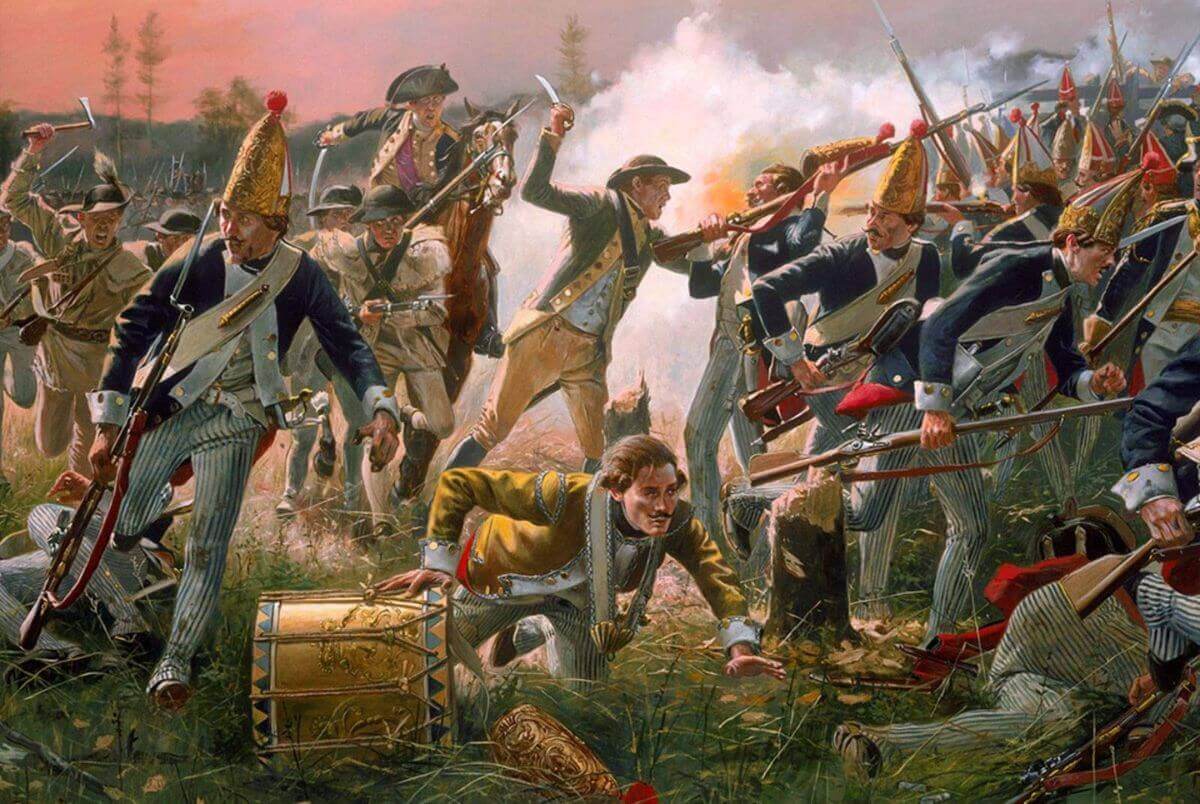
The Battle of Freeman’s Farm on September 19, 1777, marked the bloody start of the Saratoga campaign and proved the resilience of American forces.
Read more
Discover how celebrated American General Benedict Arnold betrayed his country in 1780, plotting to surrender West Point to the British.
Read more
On September 22, 1862, Lincoln issued the Preliminary Emancipation Proclamation, redefining the Civil War as a battle for freedom as well as union.
Read more
At 21, the Yale-educated schoolteacher volunteered to spy behind British lines on Long Island, was caught with documents on September 22, 1776, and hanged the next morning.
Read more
On September 23, 1806, Lewis and Clark returned to St. Louis, completing their epic expedition across North America and forever shaping U.S. history.
Read more
On September 23, 1846, Johann Galle found Neptune the same night he received Urbain Le Verrier's math, which predicted the planet's location from wobbles in Uranus's orbit.
Read more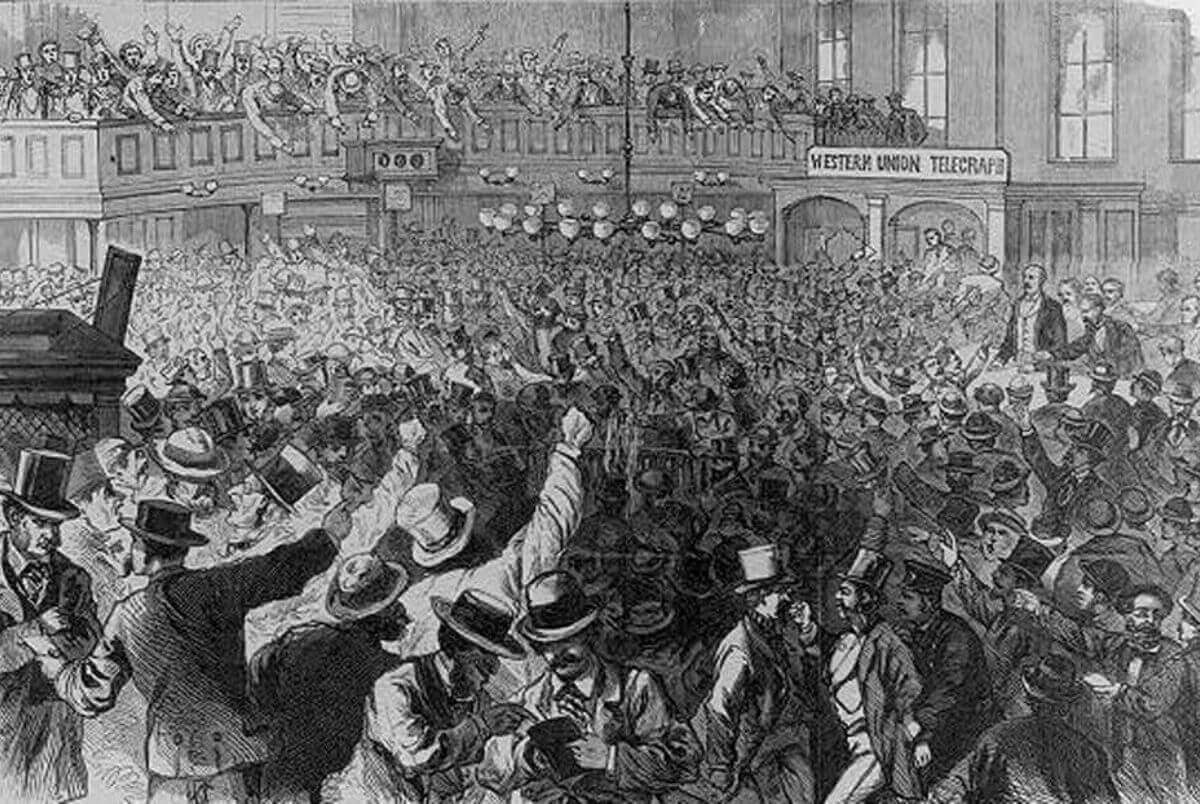
On Black Friday 1869, Jay Gould and James Fisk's gold scheme rocked Wall Street and exposed corruption at the highest levels of U.S. government.
Read more
On September 24, 1968, CBS aired the first episode with no ticking stopwatch, airing every other Tuesday at 10 p.m. and struggling for years before its Sunday move in 1975.
Read more
Established in 1890, Sequoia National Park protects the world's largest trees and showcases over a century of U.S. conservation history.
Read more
On September 25, 1970, David Cassidy and Shirley Jones boarded that painted bus, and within two months "I Think I Love You" hit No. 1 on the Billboard chart.
Read more
The 1960 Kennedy-Nixon debate marked a turning point in U.S. politics, launching the era of televised presidential debates and media-driven campaigns.
Read more
On September 29, 1789, Congress formally created the U.S. Army under the Constitution, shaping military power within civilian control.
Read more
On September 30, 1954, the U.S. Navy commissioned USS Nautilus, the world’s first nuclear-powered submarine—redefining naval warfare forever.
Read moreThe newest pages in the archive, fresh from the editorial desk.
On September 25, 1970, David Cassidy and Shirley Jones boarded that painted bus, and within two months "I Think I Love You" hit No. 1 on the Billboard chart.
Read moreOn September 24, 1968, CBS aired the first episode with no ticking stopwatch, airing every other Tuesday at 10 p.m. and struggling for years before its Sunday move in 1975.
Read moreOn September 23, 1846, Johann Galle found Neptune the same night he received Urbain Le Verrier's math, which predicted the planet's location from wobbles in Uranus's orbit.
Read moreAt 21, the Yale-educated schoolteacher volunteered to spy behind British lines on Long Island, was caught with documents on September 22, 1776, and hanged the next morning.
Read moreDiscover how celebrated American General Benedict Arnold betrayed his country in 1780, plotting to surrender West Point to the British.
Read moreAfter a dispute over accommodations, Castro moved his delegation to Harlem's Hotel Theresa in September 1960, where he met with Malcolm X and Langston Hughes.
Read more