Henry Ford's Implementation of the Moving Assembly Line - This Day in History
On December 1, 1913, Henry Ford revolutionized manufacturing with the first moving assembly line, slashing car production time and changing history.
Read moreEvery date on the calendar carries a piece of the American story — battles won, documents signed, inventions unveiled, and lives that changed the course of a nation. Stop by each day for the moments that made this date matter.
Pick a month to walk through its anniversaries, day by day.

On December 1, 1913, Henry Ford revolutionized manufacturing with the first moving assembly line, slashing car production time and changing history.
Read more
On December 2, 1823, President James Monroe issued the Monroe Doctrine, a historic foreign policy shift that redefined America's role in the Western Hemisphere.
Read more
On December 3, 1818, Illinois became the 21st U.S. state — a milestone marking its journey from Native lands and prairie to agricultural and political powerhouse.
Read more
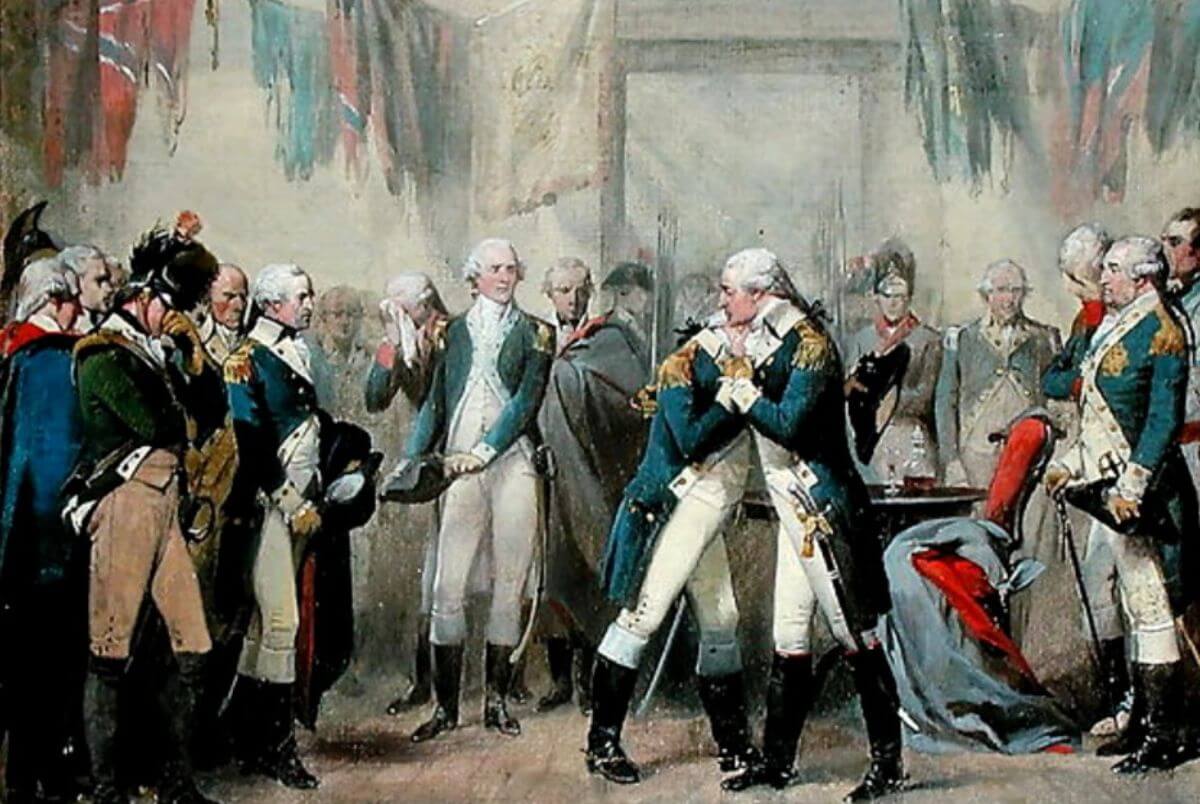
On December 4, 1783, George Washington bid farewell to his officers at Fraunces Tavern, setting a historic precedent for civilian leadership and republican ideals.
Read more
On December 5, 1933, the U.S. repealed Prohibition with the 21st Amendment, ending a controversial era and reshaping American society, law, and culture.
Read more
On December 8, 1941, the U.S. declared war on Japan, marking its entry into World War II and the end of its isolationist stance.
Read more
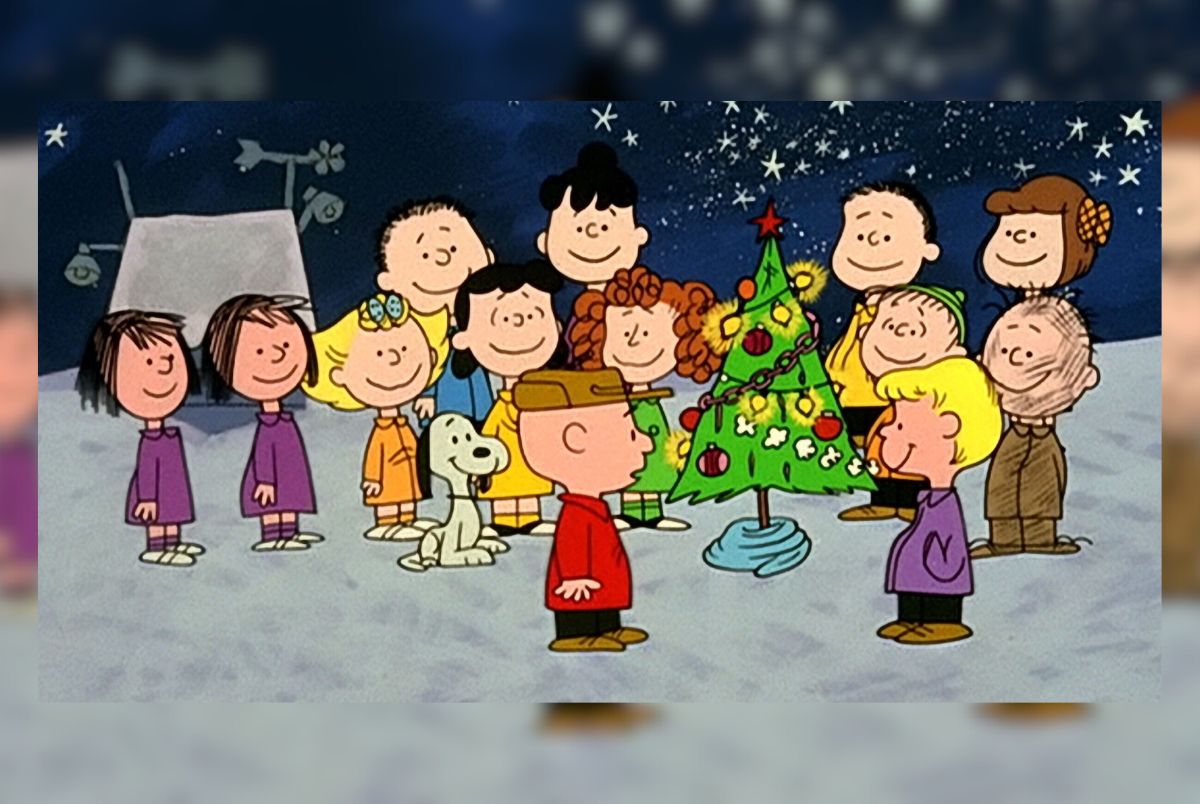
A Charlie Brown Christmas aired on December 9, 1965 — redefining holiday TV with its sincerity, jazz score, and timeless message about the meaning of Christmas.
Read more
On December 10, 1869, Wyoming Territory became the first U.S. government to grant women full voting rights — a bold step that reshaped American democracy.
Read more
On December 11, 1972, Apollo 17 landed in the Taurus–Littrow valley, marking the last time humans set foot on the Moon and the apex of lunar exploration.
Read more
On December 12, 1800, Washington, D.C. became the official capital of the United States — a symbolic move that defined the nation's political identity.
Read more
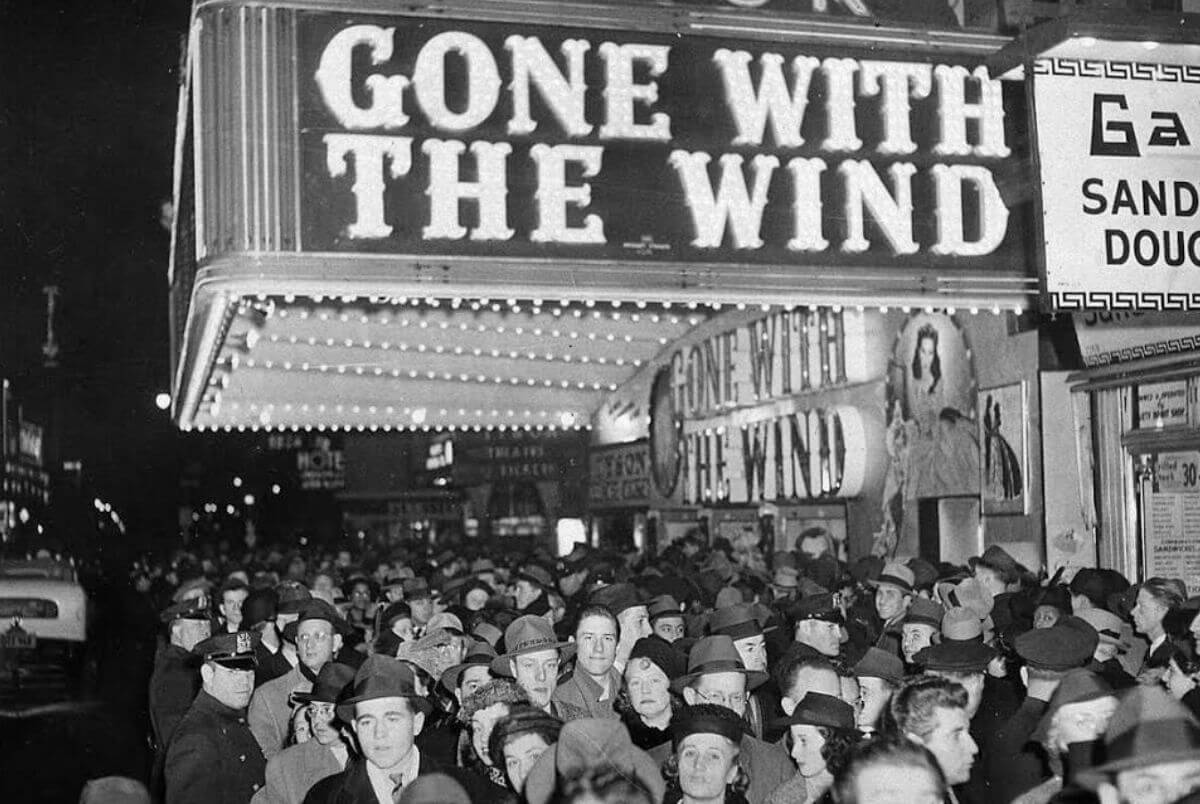
On December 15, 1939, Gone with the Wind premiered in Atlanta with Hollywood grandeur and deep historical contradictions that defined its legacy.
Read more
On December 16, 1773, colonists protested British rule by destroying tea shipments in Boston Harbor, igniting a revolution that changed American history forever.
Read more
On December 17, 1903, the Wright brothers made history at Kitty Hawk with the first powered airplane flight, forever changing how humanity connects with the skies.
Read more
On December 18, 1865, the Thirteenth Amendment was ratified, abolishing slavery in the U.S. and marking a turning point in the nation's pursuit of justice and freedom.
Read more
On December 19, 1998, President Bill Clinton was impeached by the House of Representatives, triggering a historic debate on law, leadership, and presidential accountability.
Read more
President Obama’s 2010 signing of the Don’t Ask, Don’t Tell Repeal Act ended a 17-year ban on openly gay, lesbian, and bisexual service in the U.S. military.
Read more
On December 23, 1913, President Woodrow Wilson signed the Federal Reserve Act, creating the central banking system that transformed U.S. financial policy.
Read more
On Christmas Eve 1948, Midnight Mass from St. Patrick’s Cathedral was broadcast live, marking a pivotal moment in religious media and Christmas tradition.
Read more
On December 25, 1776, George Washington led the daring crossing of the Delaware River, a bold move that changed the course of the American Revolution.
Read more
In 1982, Time magazine named the personal computer its “Machine of the Year,” recognizing the growing cultural and technological impact of home computing.
Read more
On December 29, 1845, Texas joined the United States as the 28th state, ending its time as an independent republic and triggering lasting national consequences.
Read more
On December 30, 1853, the U.S. and Mexico signed the Gadsden Treaty, transferring land that shaped the modern Southwest and secured a key railroad route.
Read more
On December 31, 1907, the first Times Square ball drop took place, launching a New Year’s Eve tradition that would grow into a global cultural phenomenon.
Read moreThe newest pages in the archive, fresh from the editorial desk.

On September 4, 2016, Pope Francis canonized the nun who ran the Missionaries of Charity, which by her 1997 death operated hundreds of centers in more than 90 countries.
Read more
A contaminated dish left out during Fleming's 1928 vacation killed the surrounding bacteria, but it took Oxford scientists until the 1940s to make penicillin usable on wounded…
Read more
On September 2, 1969, a Chemical Bank branch in Rockville Centre, New York put out the first U.S. ATM, dreamed up by a man tired of waiting in a bank line.
Read more
Days earlier, Germany and the Soviet Union had secretly agreed to split Poland between them, clearing Hitler's path to a war that killed tens of millions.
Read more
Investigators found driver Henri Paul had alcohol and prescription drugs in his system when the Mercedes hit a pillar in the Pont de l'Alma tunnel, killing Diana at 36.
Read more
Fourteen-year-old Emmett Till was brutally murdered while visiting relatives in Mississippi, a horrific crime that shocked Americans and became a catalyst for the growing Civil Rights Movement.
Read more