Ellis Island Officially Opened in New York - This Day in History
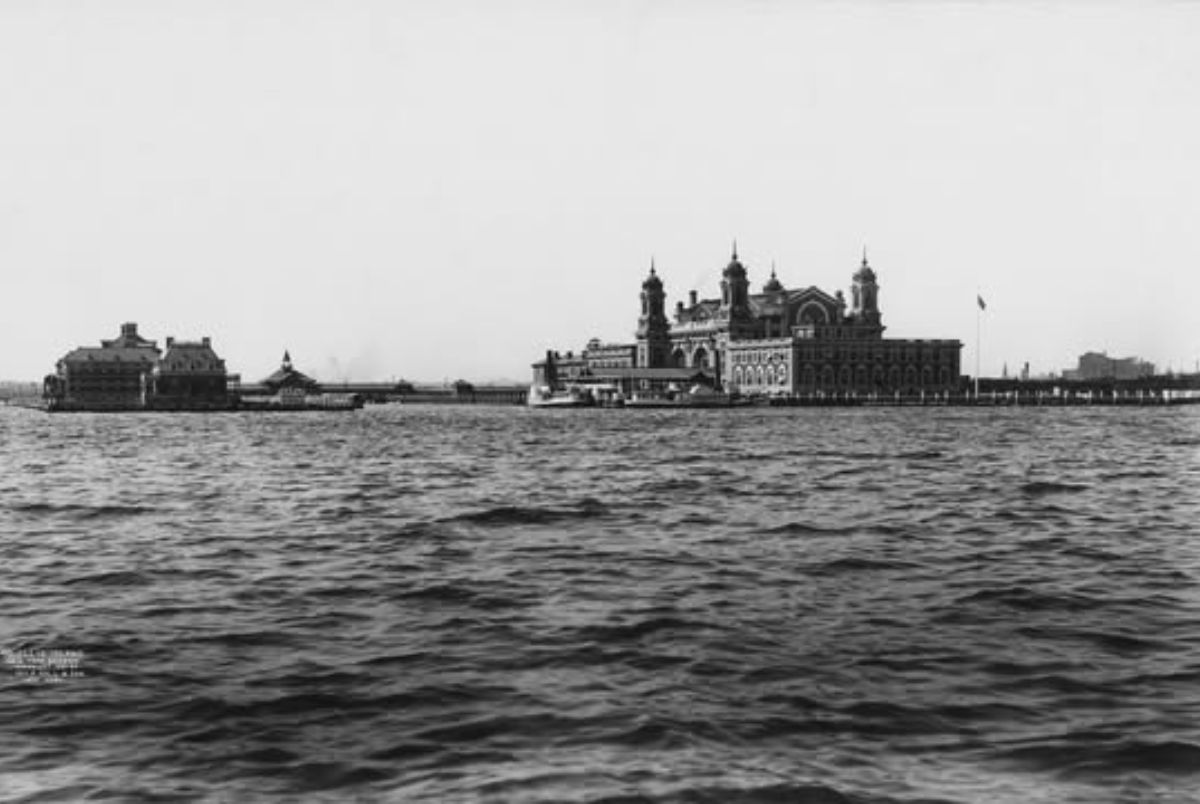
On January 1, 1892, Ellis Island opened as America's primary immigration station, welcoming millions who helped shape the nation's identity.
Read moreEvery date on the calendar carries a piece of the American story — battles won, documents signed, inventions unveiled, and lives that changed the course of a nation. Stop by each day for the moments that made this date matter.
Pick a month to walk through its anniversaries, day by day.

On January 1, 1892, Ellis Island opened as America's primary immigration station, welcoming millions who helped shape the nation's identity.
Read more
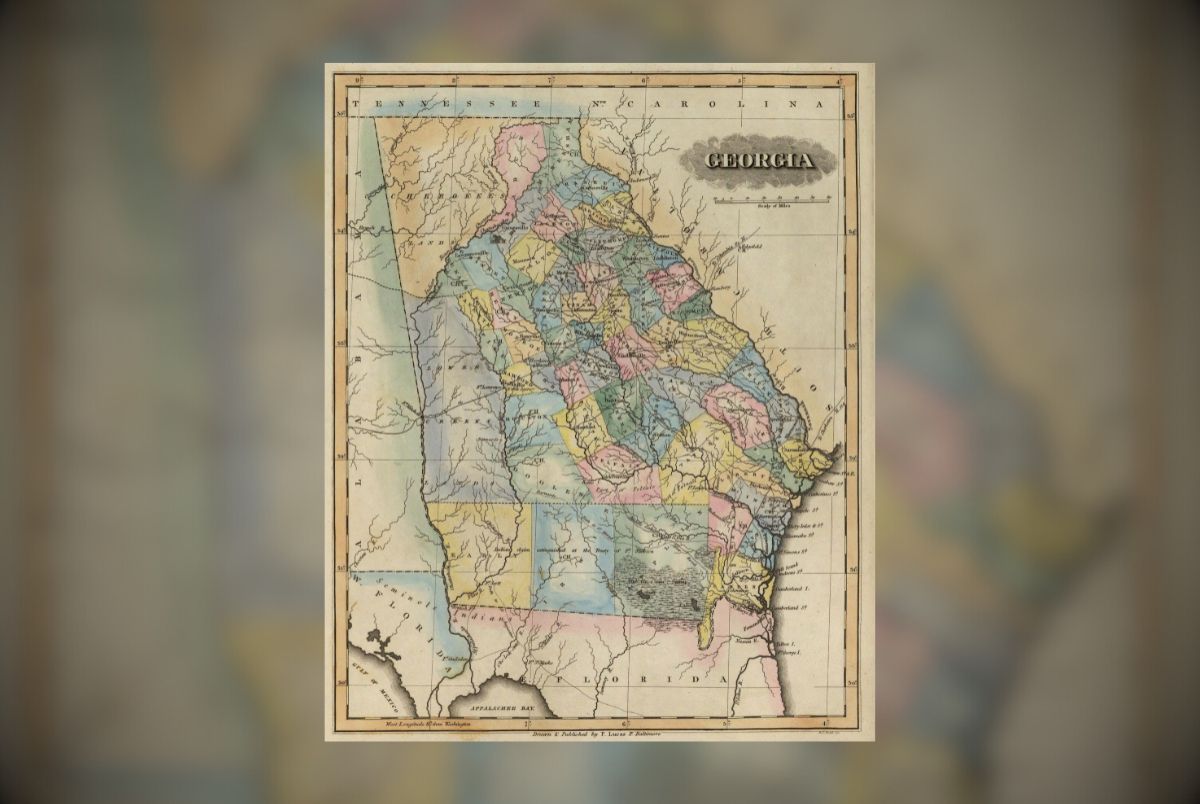
On January 2, 1788, Georgia became the fourth state to ratify the U.S. Constitution, joining the Union and helping shape America’s early federal identity.
Read more
On January 5, 1914, Henry Ford revolutionized labor by announcing a five-dollar, eight-hour workday—reshaping wages, productivity, and workplace standards.
Read more
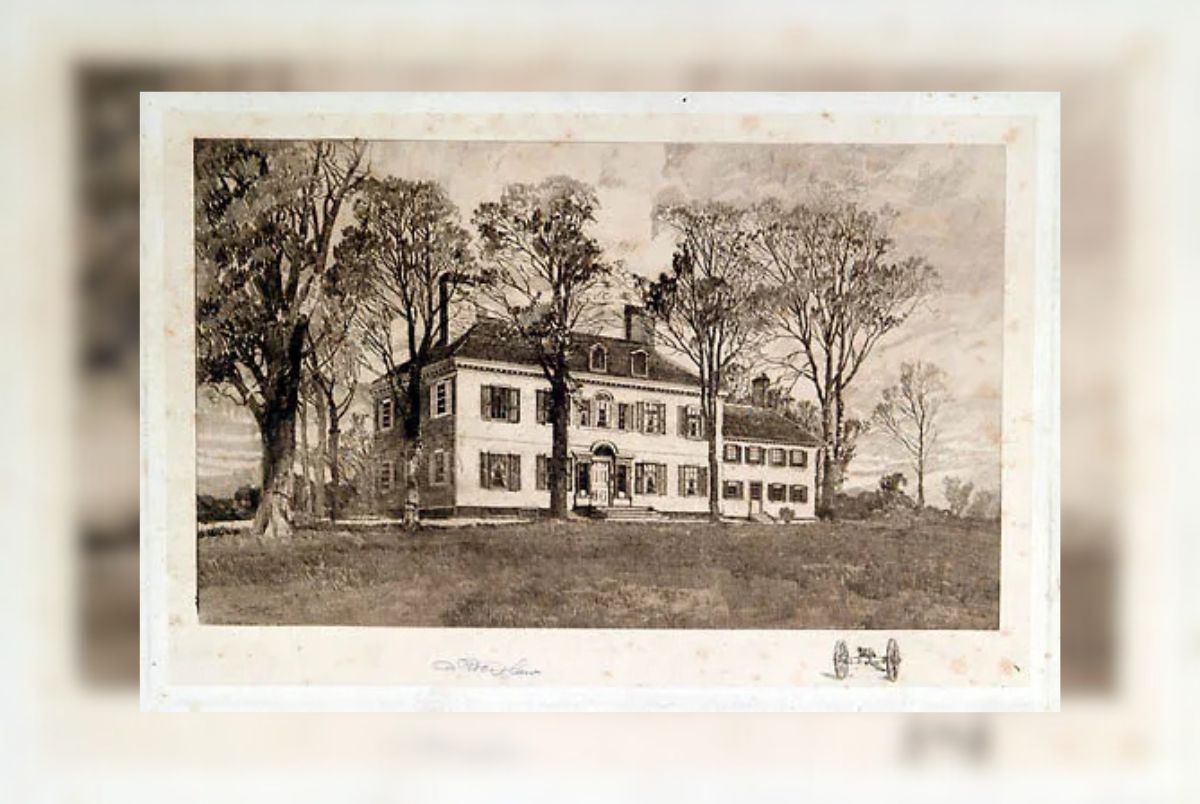
On January 6, 1777, George Washington chose Morristown, NJ, as winter quarters—strengthening the Continental Army after victories at Trenton and Princeton.
Read more
On January 7, 1953, President Truman announced the U.S. had developed the hydrogen bomb, escalating the Cold War and transforming global nuclear strategy.
Read more
On January 8, 1867, African American men in Washington, D.C., gained the right to vote, marking a major milestone in Reconstruction-era civil rights progress.
Read more
On January 9, 2007, Steve Jobs unveiled the first iPhone, revolutionizing mobile technology and launching a new era in digital communication and app ecosystems.
Read more
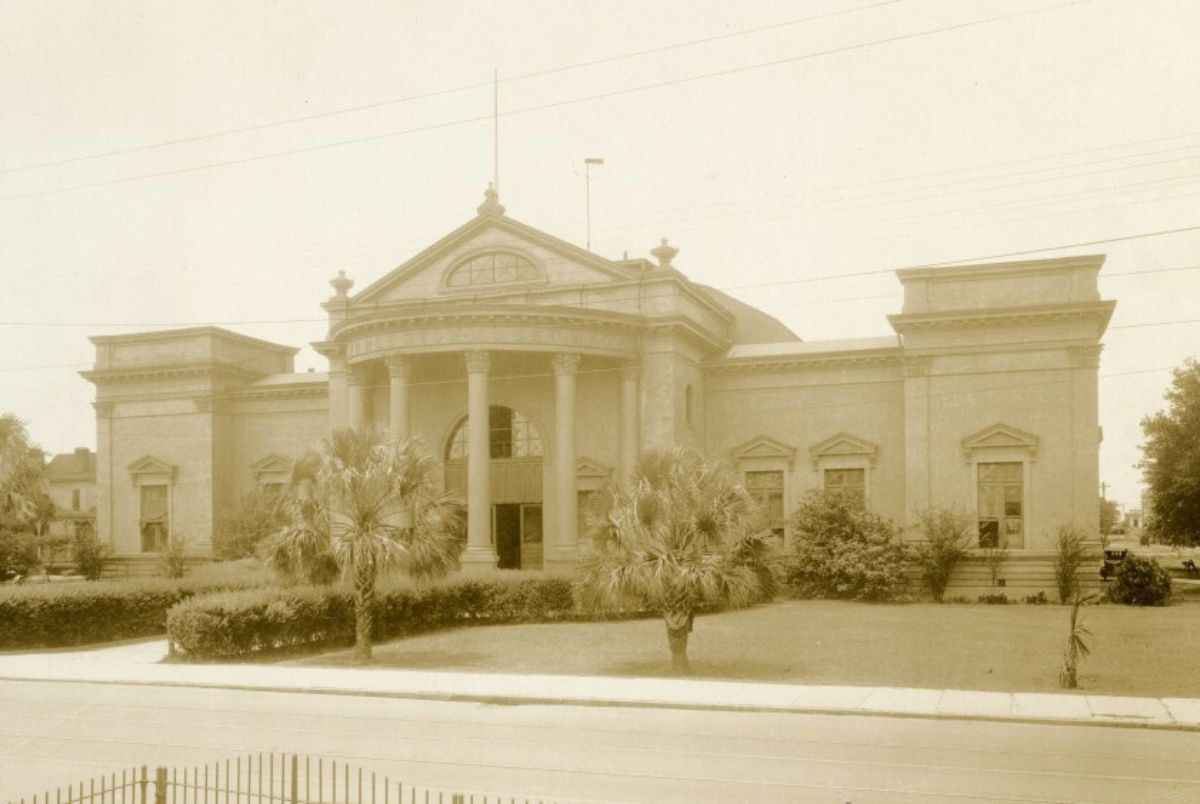
Discover The Charleston Museum—America’s first museum—offering 250+ years of Lowcountry history, artifacts, and immersive historic homes.
Read more
Johnny Cash’s 1968 At Folsom Prison concert reignited his career and became one of music’s most powerful, authentic live recordings.
Read more
On January 14, 1969, a deadly fire and explosion aboard the USS Enterprise (CVN-65) claimed 27 lives and reshaped U.S. Navy safety protocols.
Read more
On January 15, 1972, Don McLean’s “American Pie” reached No. 1, blending nostalgia and cultural reflection into a timeless musical epic.
Read more
On January 16, 1919, the Eighteenth Amendment was ratified, launching Prohibition and reshaping American society through a bold social experiment.
Read more
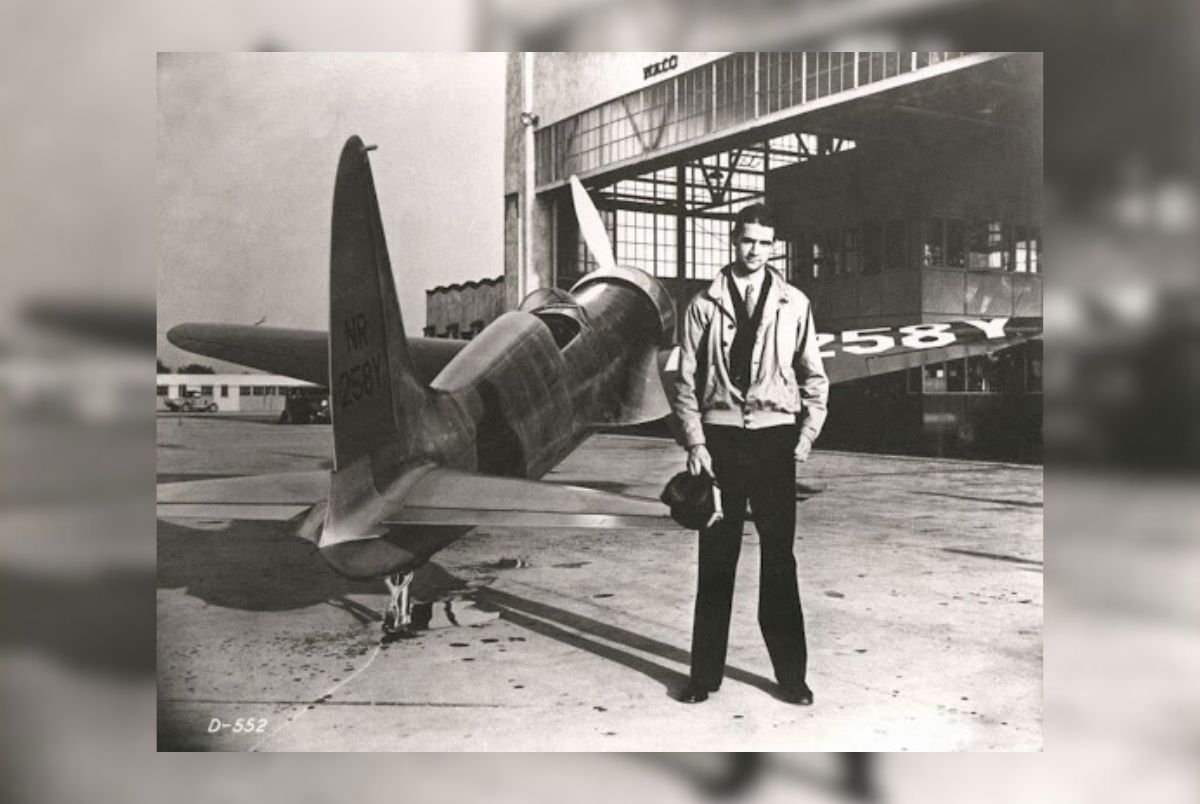
On January 19, 1937, Howard Hughes shattered the transcontinental speed record, flying coast-to-coast in under 7.5 hours aboard his H-1 Racer.
Read more
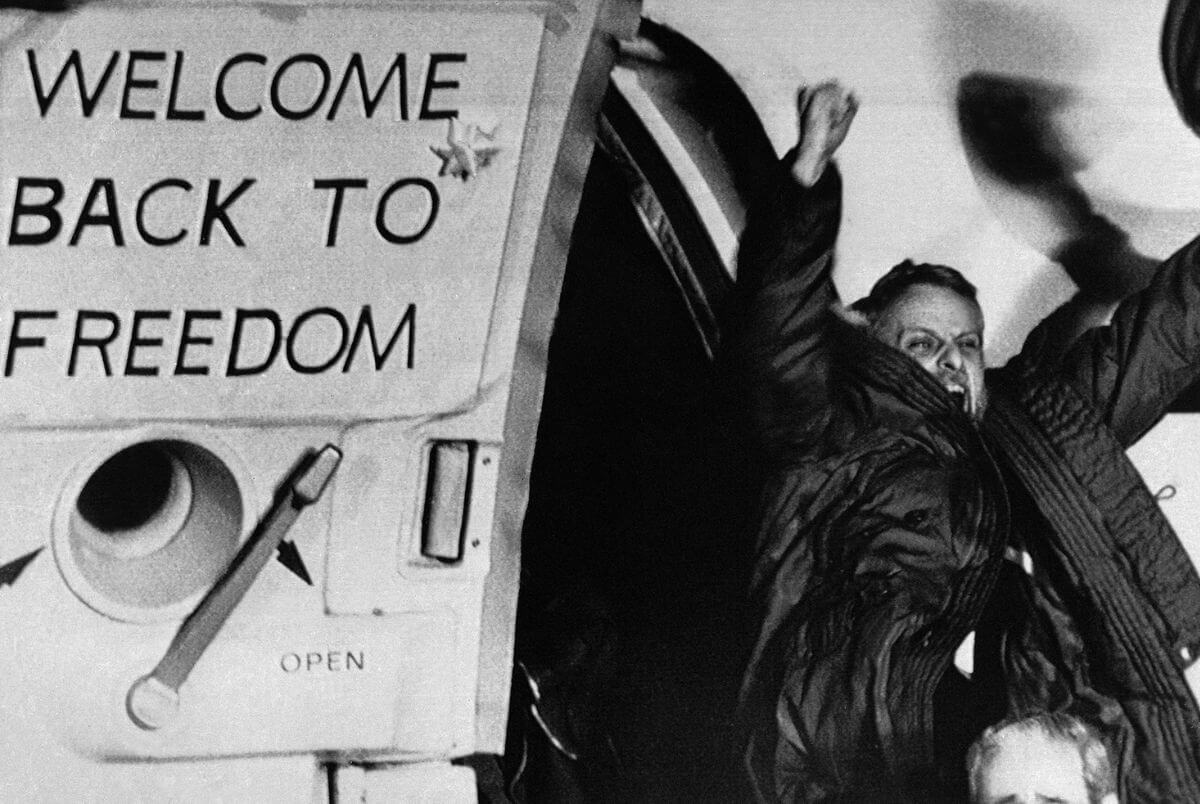
On January 20, 1981, after 444 days in captivity, 52 American hostages in Iran were released just as Ronald Reagan was sworn in as president.
Read more
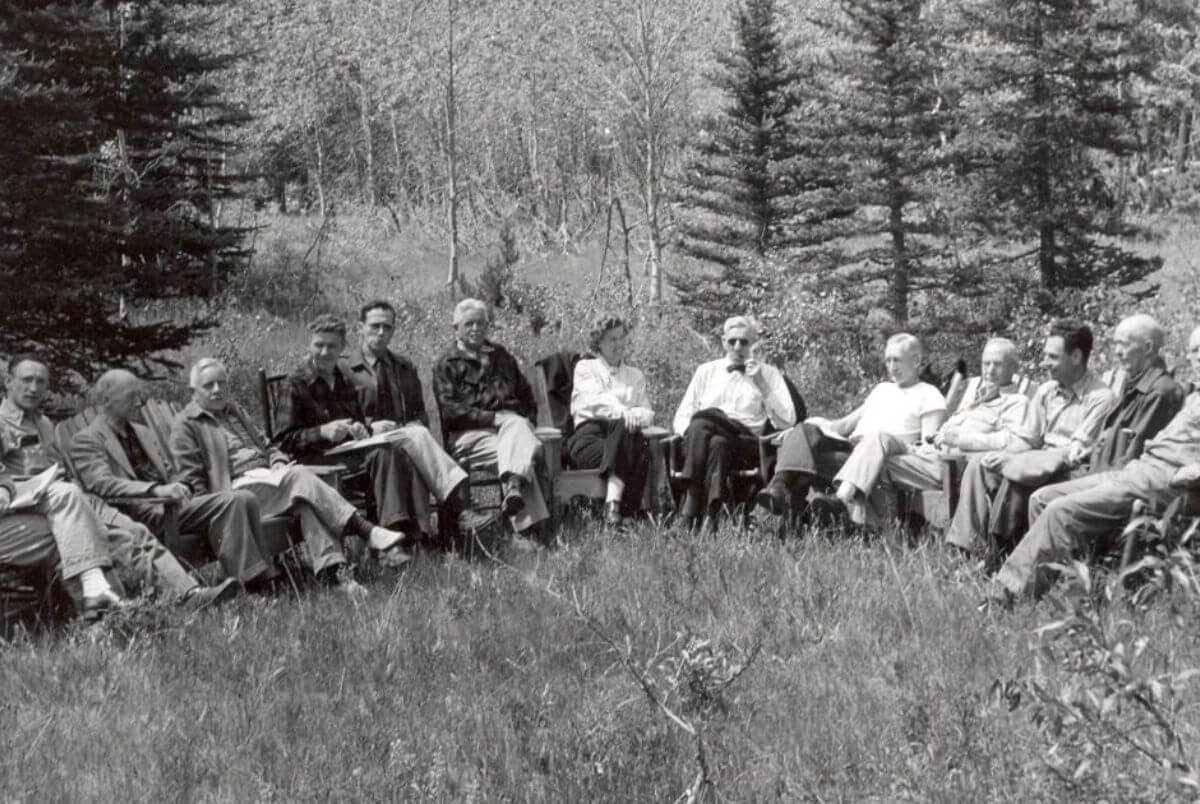
On January 21, 1935, The Wilderness Society was founded to protect America’s wild lands, sparking a lasting movement for conservation.
Read more
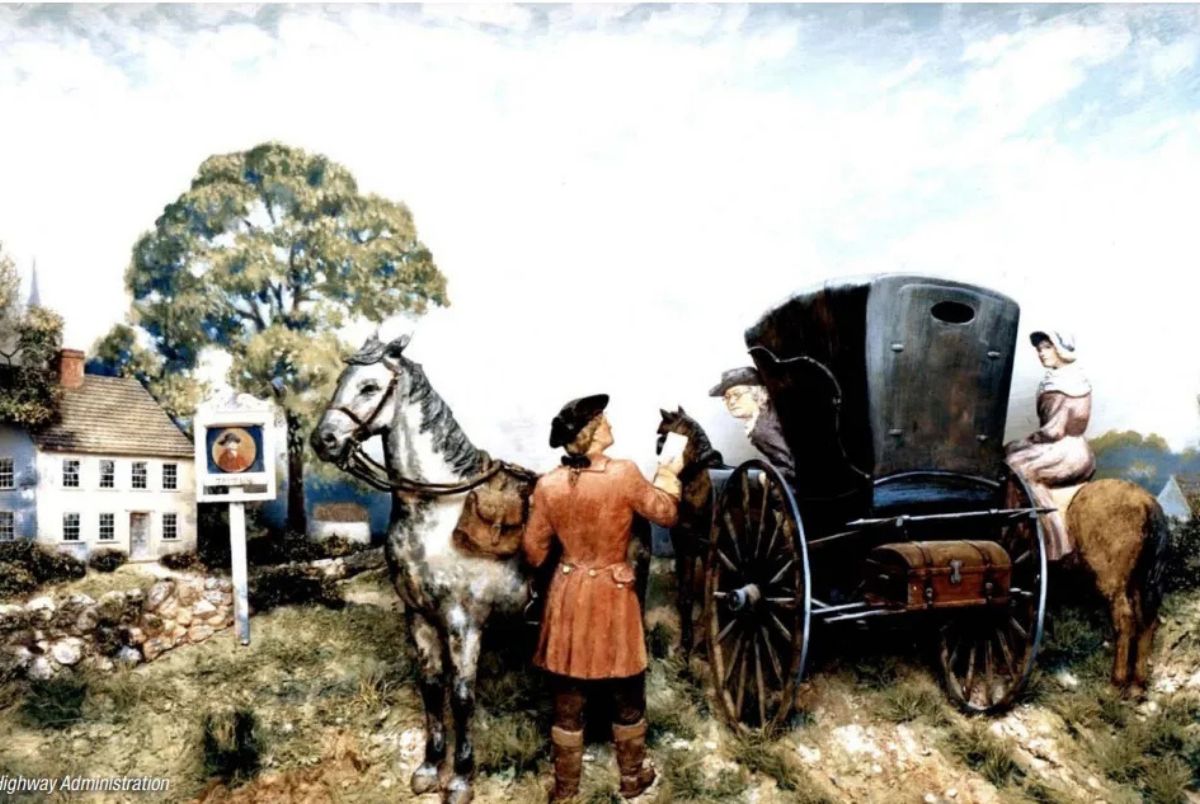
On January 22, 1673, America’s first regular mail route launched between New York and Boston, laying the foundation for modern communication.
Read more
On January 23, 1964, the 24th Amendment was ratified, banning poll taxes in federal elections and striking a blow against voter suppression.
Read more
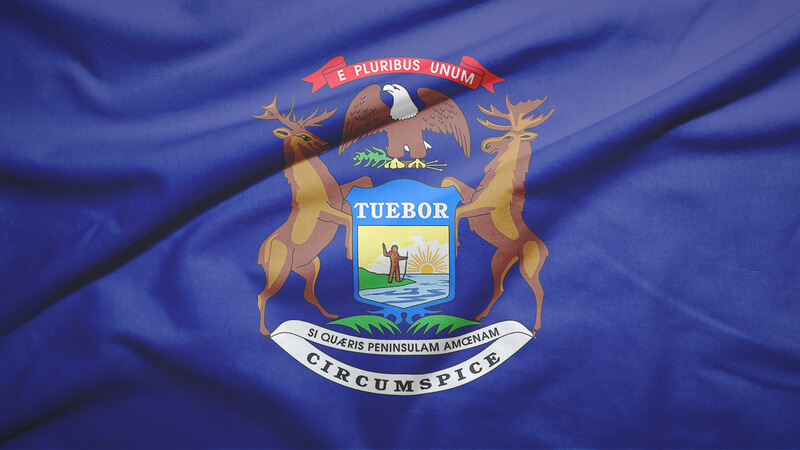
Michigan’s path to statehood was shaped by war, boundary disputes, and political persistence—culminating in its admission as the 26th state on January 26, 1837.
Read more
The 1973 Paris Peace Accords ended direct U.S. involvement in Vietnam, offering a fragile ceasefire and marking a pivotal, complex exit from war.
Read more
The 1986 Challenger disaster stunned the nation, claiming seven lives—including teacher Christa McAuliffe—and redefining the risks of space exploration.
Read more
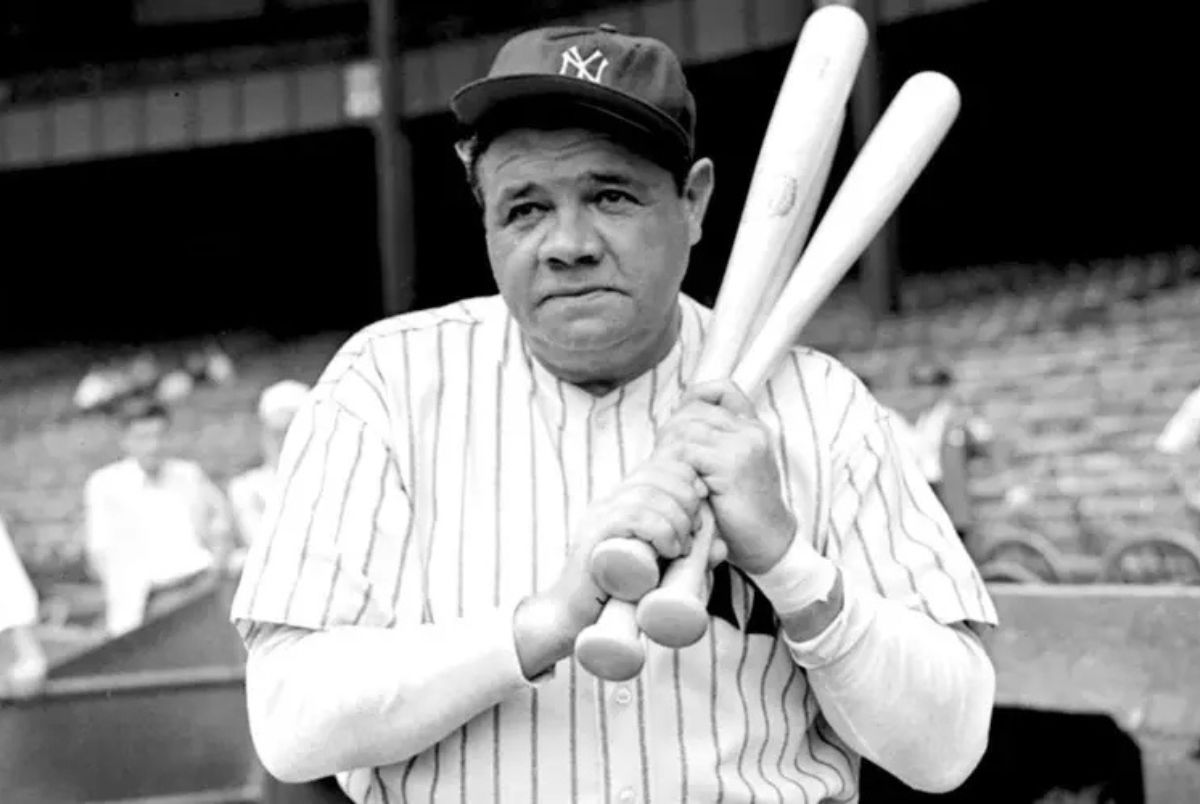
On January 29, 1936, the first Baseball Hall of Fame class—Cobb, Ruth, Wagner, Mathewson, and Johnson—set the standard for enshrining greatness in Cooperstown.
Read more
On January 30, 1862, the Union’s revolutionary ironclad USS Monitor launched—marking the beginning of a new era in naval warfare during the Civil War.
Read moreThe newest pages in the archive, fresh from the editorial desk.

On September 4, 2016, Pope Francis canonized the nun who ran the Missionaries of Charity, which by her 1997 death operated hundreds of centers in more than 90 countries.
Read more
A contaminated dish left out during Fleming's 1928 vacation killed the surrounding bacteria, but it took Oxford scientists until the 1940s to make penicillin usable on wounded…
Read more
On September 2, 1969, a Chemical Bank branch in Rockville Centre, New York put out the first U.S. ATM, dreamed up by a man tired of waiting in a bank line.
Read more
Days earlier, Germany and the Soviet Union had secretly agreed to split Poland between them, clearing Hitler's path to a war that killed tens of millions.
Read more
Investigators found driver Henri Paul had alcohol and prescription drugs in his system when the Mercedes hit a pillar in the Pont de l'Alma tunnel, killing Diana at 36.
Read more
Fourteen-year-old Emmett Till was brutally murdered while visiting relatives in Mississippi, a horrific crime that shocked Americans and became a catalyst for the growing Civil Rights Movement.
Read more