
October 11908
Launch of the Ford Model T
On October 1, 1908, Ford introduced the Model T, a revolutionary car that brought automobiles to the masses and transformed global transportation.
Read the story : Launch of the Ford Model TEvery date on the calendar carries a piece of the American story — battles won, documents signed, inventions unveiled, and lives that changed the course of a nation.
Soviet missiles sat 90 miles from Florida, able to strike American cities, as Kennedy ordered a naval blockade and warned any launch would mean full retaliation.
Read the full storyRead the story, then take this issue’s trivia challenge.
Scanned the code in your magazine? You’re in the right place.Picture it: the windows are rolled down, a paper map unfolded across the front seat, and up ahead a glowing neon sign promises a hot meal or a clean room. There’s no GPS announcing the next turn — the road itself is part of the adventure. For generations of Americans, that road was Route 66.
Share your score and tell us — What’s your favorite Route 66 or road-trip memory?
Readers are sharing their scoresBy Alexa Astuto
An abbreviated version of the article that appears in AMAC Magazine.
For generations of Americans, the road was Route 66. Stretching roughly 2,400 miles from Chicago to Los Angeles, it carried workers searching for opportunity, servicemen heading west, and families on vacation eager to see what waited beyond the next town.
By the 1920s, automobiles were changing how Americans traveled, but the roads hadn’t caught up. Oklahoma civic leader Cyrus Avery pushed for a numbered highway linking Chicago and Los Angeles — and on November 11, 1926, U.S. Highway 66 was born. It stitched together existing roads across eight states and wasn’t paved end to end until 1938.
The Dust Bowl sent thousands west, and John Steinbeck’s The Grapes of Wrath gave the highway an enduring nickname: the “Mother Road.” After World War II, Route 66 entered its golden age — families packed station wagons for the Grand Canyon, California beaches, and Disneyland, rolling past diners, motels, and neon signs. The journey itself had become the vacation.
At its peak, the Mother Road was pure Americana — neon-lit filling stations, roadside giants, and motels shaped like teepees, each one promising weary travelers a reason to pull over and stay a while. Songwriter Bobby Troup captured the feeling in “(Get Your Kicks on) Route 66,” the 1946 hit that turned the highway’s towns into a coast-to-coast singalong.
Progress brought its decline. The 1956 Federal-Aid Highway Act built wider, faster interstates that bypassed the small towns, and on June 27, 1985, Route 66 was officially removed from the U.S. Highway System.
But it wouldn’t stay gone. Arizona barber Angel Delgadillo — Route 66’s “Guardian Angel” — helped form the Historic Route 66 Association, sparking preservation across all eight states. Neon signs were restored, motels reopened, and in 2026 the Mother Road celebrates its 100th anniversary. One hundred years later, we’re still getting our kicks on Route 66.
Pick any date to see what happened on that day in American history.
On October 1, 1908, Ford introduced the Model T, a revolutionary car that brought automobiles to the masses and transformed global transportation.
Read the story : Launch of the Ford Model TOn October 1, 1962, Groucho Marx introduced Carson to viewers, beginning a 30-year run and the Ed McMahon catchphrase "Heeere's Johnny!"
Read the story : Johnny Carson Makes Debut as “Tonight Show” HostOn October 2, 1835, settlers in Gonzales, Texas, fired the first shots of the Texas Revolution, defying Mexican troops with the bold cry: “Come and Take It.”
Read the story : The Battle of GonzalesOn October 2, 1959, Rod Serling's anthology series began its five-season run on CBS, using aliens and time travel to tackle prejudice, nuclear war, and mob mentality.
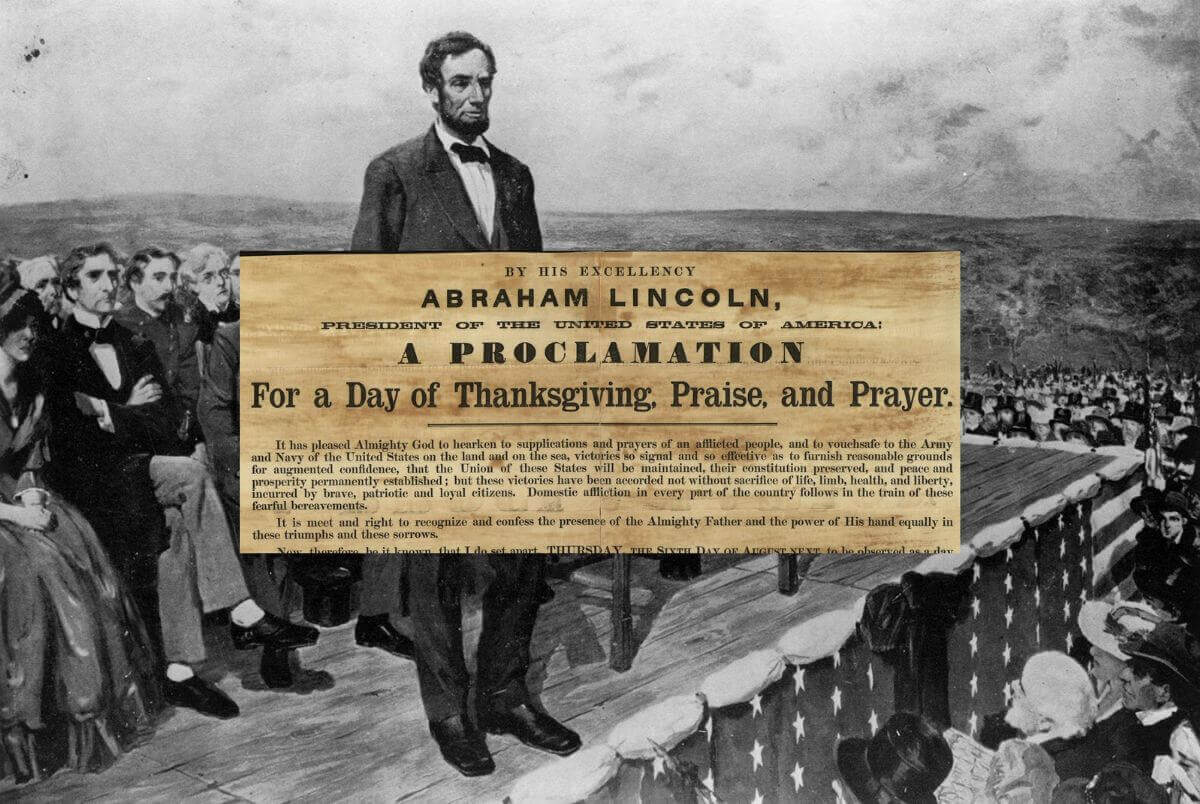
Read the story : “The Twilight Zone” premieres on TVOn October 3, 1863, Abraham Lincoln issued a Thanksgiving proclamation that established the national holiday during the depths of the Civil War.
Read the story : Last Thursday of November Named as Thanksgiving DayOn October 5, 1919, Ferrari finished fourth in a Parma hill climb. He won only 13 of 47 races and made his name building cars, not driving them.
Read the story : Enzo Ferrari Makes His Debut as a Race Car DriverOn October 6, 1884, the U.S. Navy founded the Naval War College, a transformative institution dedicated to strategic thinking, diplomacy, and military leadership.
Read the story : U.S. Naval War College Was FoundedOn October 6, 1926, Ruth hit three home runs off the Cardinals in Game 4, yet the Yankees still lost the Series when he was thrown out stealing in Game 7.
Read the story : Babe Ruth Sets a World Series RecordOn October 7, 2001, the U.S. launched Operation Enduring Freedom, initiating the War on Terror with a military campaign against the Taliban and al-Qaeda.
Read the story : U.S. Invasion of AfghanistanOn October 7, 2003, 55.4 percent of Californians voted to recall Governor Gray Davis, less than a year after reelecting him, and put a movie star in his place.
Read the story : Arnold Schwarzenegger Elected California GovernorOn October 8, 1871, the Peshtigo Fire became the deadliest wildfire in U.S. history—consuming over 280,000 acres and killing more than 1,100 people.
Read the story : The Peshtigo FireA melted candy bar in Percy Spencer's pocket led to the first microwave, a 750-pound machine that stood six feet tall and cost about $5,000.
Read the story : First Patent Filed for the MicrowaveOn October 9, 1855, Isaac Singer patented key sewing machine improvements, revolutionizing home and industrial textile production forever.
Read the story : Isaac Singer Patented the Sewing Machine MotorBuilt during the Depression by thousands of workers in brutal desert heat, the 700-foot dam sent power 266 miles to Los Angeles on October 9, 1936.
Read the story : Hoover Dam Begins Transmitting Electricity to Los AngelesOn October 10, 1845, the U.S. founded the Naval School in Annapolis—now the U.S. Naval Academy—to train generations of naval officers through science and service.
Read the story : U.S. Naval Academy Was FoundedOn October 12, 1492, Columbus landed on a Bahamas island he named San Salvador, still convinced he had reached Asia, a mistake that gave us the word "Indians."
Read the story : Christopher Columbus Reaches the “New World”On October 13, 1792, the cornerstone of the White House was laid, marking the symbolic and literal foundation of America’s executive mansion.
Read the story : White House Cornerstone LaidSealed documents later revealed the grand jury had voted to indict John and Patsy Ramsey, but District Attorney Alex Hunter refused to sign the charges in October 1999.
Read the story : Grand Jury Dismissed in JonBenét Ramsey Murder CaseBoston banned the song and some stations refused to play it, judging the tale of two teens who fell asleep at the movies too suggestive for 1957.
Read the story : “Wake up Little Susie” Becomes the Everly Brothers’ First No. 1 HitOn October 14, 1964, Martin Luther King Jr. was awarded the Nobel Peace Prize for leading the civil rights movement with nonviolent conviction and moral clarity.
Read the story : MLK Jr. Awarded the Nobel Peace PrizeOn October 15, 1966, President Lyndon B. Johnson signed the law creating the U.S. Department of Transportation, unifying America’s transportation policy and oversight.
Read the story : The U.S. Department of Transportation Was EstablishedThe 52-48 Senate vote on October 15, 1991 came after Anita Hill's harassment allegations, which Thomas called a politically motivated attack, filled days of televised hearings.
Read the story : Clarence Thomas Confirmed to the Supreme CourtOn October 16, 1923, Walt and Roy Disney opened a cartoon studio in Hollywood on borrowed money and one distribution deal, five years before Mickey Mouse.
Read the story : Walt Disney Company is FoundedOn October 16, 1962, President Kennedy was shown aerial photos of Soviet missiles in Cuba, marking the start of the Cuban Missile Crisis and the tense “thirteen days.”
Read the story : The Cuban Missile Crisis BeganOn October 18, 1867, the U.S. officially acquired Alaska from Russia, transforming what critics called “Seward’s Folly” into a cornerstone of American expansion.
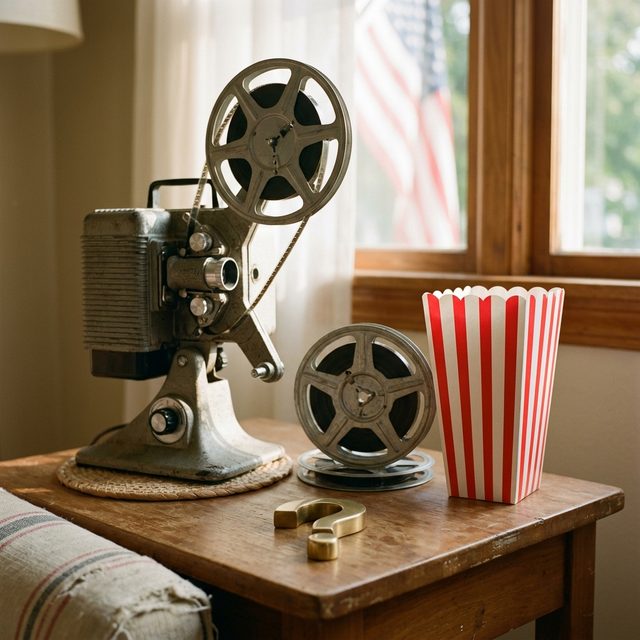
Read the story : Alaska Purchase Approved by U.S. SenateDavid Cook's first store in Dallas stocked 8,000 videotapes on October 19, 1985, and the chain grew past 1,000 locations by the early 1990s.
Read the story : First Blockbuster Store OpensOn October 20, 1803, the U.S. Senate approved the Louisiana Purchase, doubling the nation's territory and reshaping American history.
Read the story : The U.S. Senate Approved the Louisiana Purchase TreatyBobby "Boris" Pickett recorded the song in under an hour with his Boris Karloff impression, and several labels rejected it before the BBC banned it as too morbid.
Read the story : “Monster Mash” Hits No. 1 on the Billboard Hot 100 ChartOn October 21, 1967, nearly 100,000 people gathered in Washington and 50,000 marched on the Pentagon, where hundreds were arrested confronting armed soldiers.
Read the story : Thousands Protest the War in VietnamOpened in 1959, the Solomon R. Guggenheim Museum revolutionized art and architecture with Frank Lloyd Wright’s iconic spiral design on Fifth Avenue.
Read the story : Guggenheim Museum Opens in New York CitySoviet missiles sat 90 miles from Florida, able to strike American cities, as Kennedy ordered a naval blockade and warned any launch would mean full retaliation.
Read the story : JFK’s Address on Cuban Missile Crisis Shocks the NationWikiLeaks’ Iraq War Logs reveal 15,000 unreported civilian deaths, detainee abuse, and raise questions about U.S. military accountability.
Read the story : WikiLeaks Released U.S. Documents Related to Iraq WarOn October 23, 1973, Nixon agreed to surrender the Watergate tapes, marking a major shift toward transparency and legal accountability.
Read the story : Nixon Yields White House TapesOn October 24, 1921, the U.S. selected its first Unknown Soldier from World War I, honoring all unidentified fallen heroes with a place at Arlington.
Read the story : The First "Unknown Soldier" is SelectedOn October 27, 1904, New York City opened its subway system, transforming urban life and setting the foundation for one of the world’s greatest transit networks.
Read the story : The New York City Subway OpensOn October 28, 1886, the Statue of Liberty was dedicated in New York Harbor — a French gift that became a timeless symbol of American freedom and hope.
Read the story : The Statue of Liberty is DedicatedBlack Tuesday, October 29, 1929, marked the Wall Street Crash that ended the Roaring Twenties and triggered a chain of events leading to the Great Depression.
Read the story : The New York Stock Exchange CrashedOn October 30, 1888, John J. Loud received the first ballpoint pen patent—paving the way for the modern writing revolution.
Read the story : John Loud Received a Patent on the Ballpoint PenCompleted on October 31, 1941, Mount Rushmore transformed a Black Hills mountain into a powerful symbol of American leadership and legacy.
Read the story : Mount Rushmore is CompletedThe people and ideas that made America, and what they still ask of us.

Every week
With Phill Kline. The people and moments that made America exceptional, and what they ask of us now.
Several times a week · a column
With Robert B. Charles. Reflective essays on poetry, wisdom and the timeless truths worth living by.
The newest pages in the archive, fresh from the editorial desk.
 October 22 1962 JFK’s Address on Cuban Missile Crisis Shocks the Nation Added Oct 22
  October 21 1967 Thousands Protest the War in Vietnam Added Oct 21
  October 20 1962 “Monster Mash” Hits No. 1 on the Billboard Hot 100 Chart Added Oct 20
  October 19 1985 First Blockbuster Store Opens Added Oct 19
  October 16 1923 Walt Disney Company is Founded Added Oct 16
  October 15 1991 Clarence Thomas Confirmed to the Supreme Court Added Oct 15