September 1
The Boston Tremont Street Subway - This Day in History
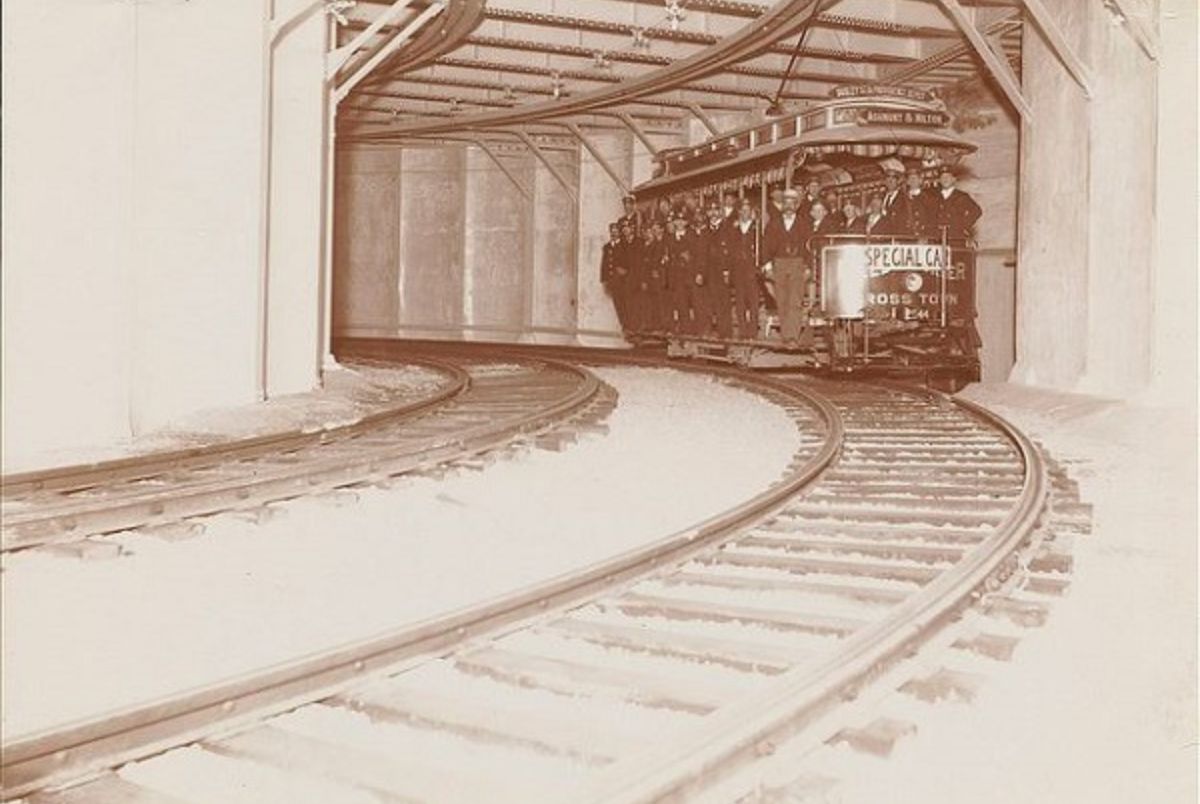
Boston’s Tremont Street Subway, opened in 1897, was the first subway in the U.S., marking a milestone in urban transit and shaping Boston’s rapid transit system.
Read more
Every date on the calendar carries a piece of the American story — battles won, documents signed, inventions unveiled, and lives that changed the course of a nation. Stop by each day for the moments that made this date matter.
Pick a month to walk through its anniversaries, day by day.
Boston’s Tremont Street Subway, opened in 1897, was the first subway in the U.S., marking a milestone in urban transit and shaping Boston’s rapid transit system.
Read more
On September 2, 1789, Congress created the U.S. Department of the Treasury—establishing a structured system for national financial governance under Alexander Hamilton.
Read more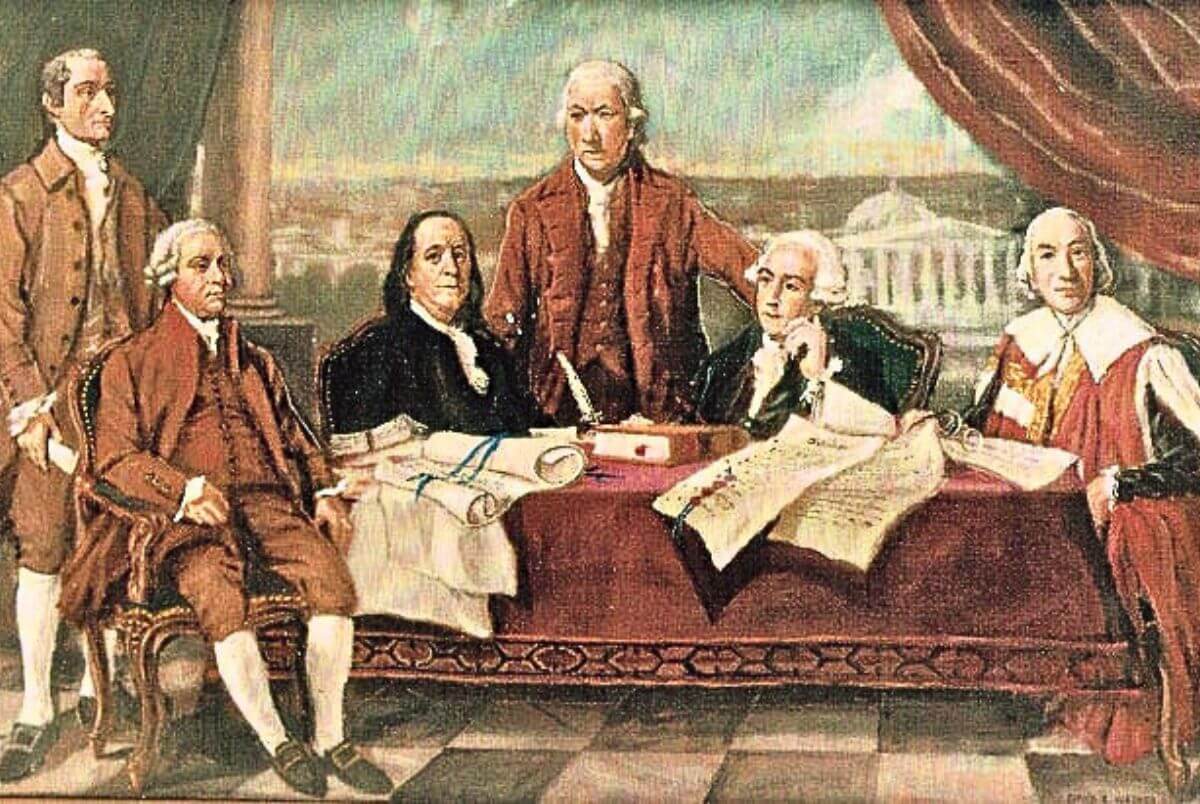
The Treaty of Paris, signed on September 3, 1783, officially ended the American Revolutionary War and marked a major turning point in world history.
Read more
On September 4, 1781, 44 settlers founded Los Angeles as a Spanish pueblo along the LA River, marking the city’s multicultural beginnings.
Read more
The first Labor Day parade took place in New York City on September 5, 1882, uniting thousands of workers in a historic show of labor solidarity.
Read more
On September 8, 1974, President Gerald Ford controversially pardoned Richard Nixon for any crimes related to the Watergate scandal, sparking national debate.
Read more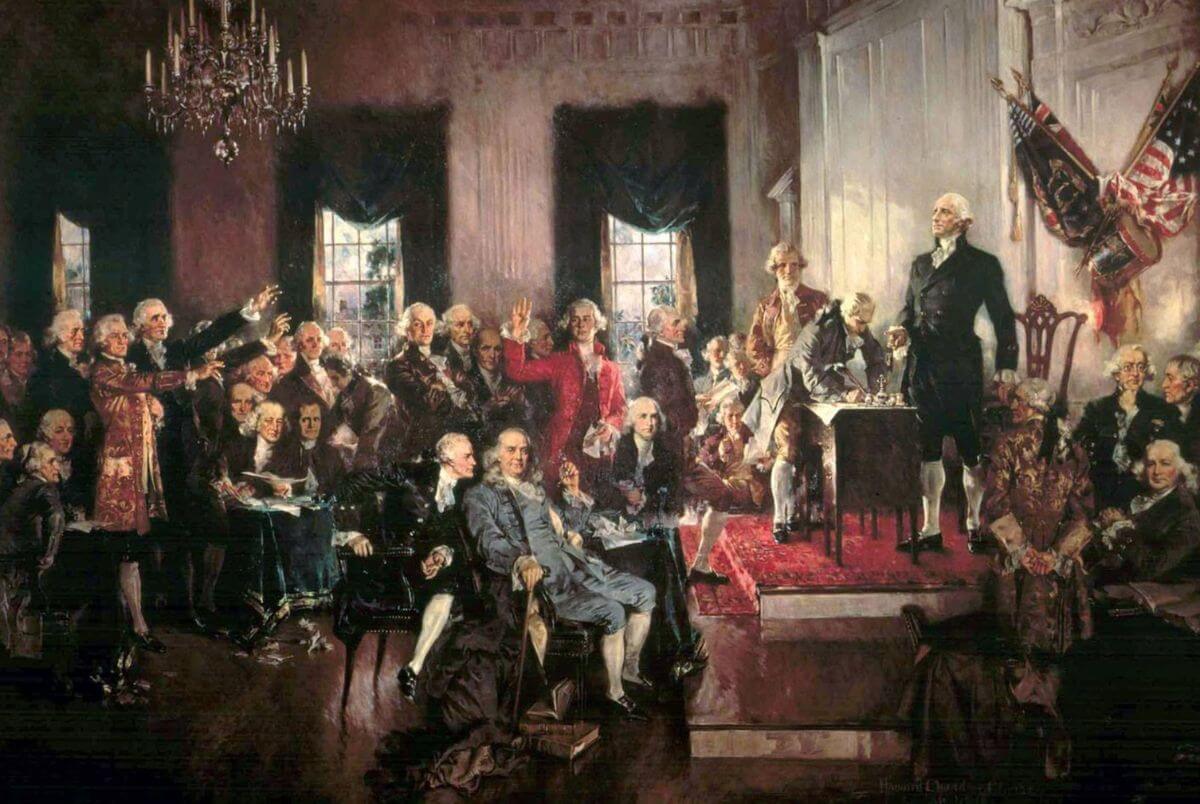
On September 9, 1776, the Continental Congress officially adopted “United States of America” as the nation's new name, replacing “United Colonies.”
Read more
On September 10, 1608, John Smith became president of the Jamestown colony, leading it from near collapse to stability through bold leadership and reforms.
Read more
A powerful remembrance of the September 11 attacks, honoring the lives lost, the heroes who responded, and the lasting global impact of that day.
Read more
On September 12, 1962, John F. Kennedy inspired a nation with his “We choose to go to the Moon” speech at Rice University, defining the Space Race era.
Read more
The Inchon Landing of September 15, 1950, changed the Korean War’s course as U.S. Marines executed a bold amphibious assault to recapture Seoul.
Read more
The Mayflower's 1620 voyage to the New World marked a pivotal chapter in American history, setting the stage for Plymouth Colony and early self-governance.
Read more
On September 17, 1787, the U.S. Constitution was signed, shaping the legal and political framework of the United States that still endures today.
Read more
On September 18, 1793, George Washington laid the Capitol’s cornerstone, marking the start of a lasting symbol of American democracy.
Read more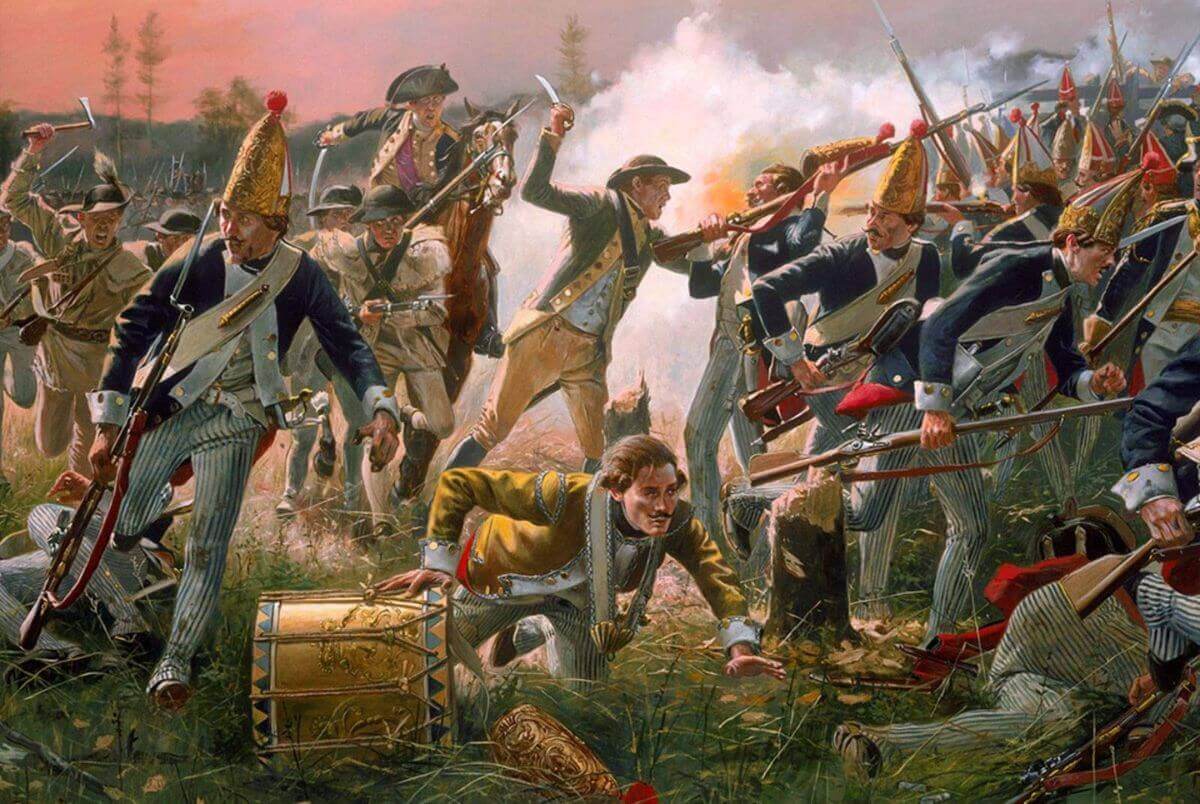
The Battle of Freeman’s Farm on September 19, 1777, marked the bloody start of the Saratoga campaign and proved the resilience of American forces.
Read more
On September 22, 1862, Lincoln issued the Preliminary Emancipation Proclamation, redefining the Civil War as a battle for freedom as well as union.
Read more
On September 23, 1806, Lewis and Clark returned to St. Louis, completing their epic expedition across North America and forever shaping U.S. history.
Read more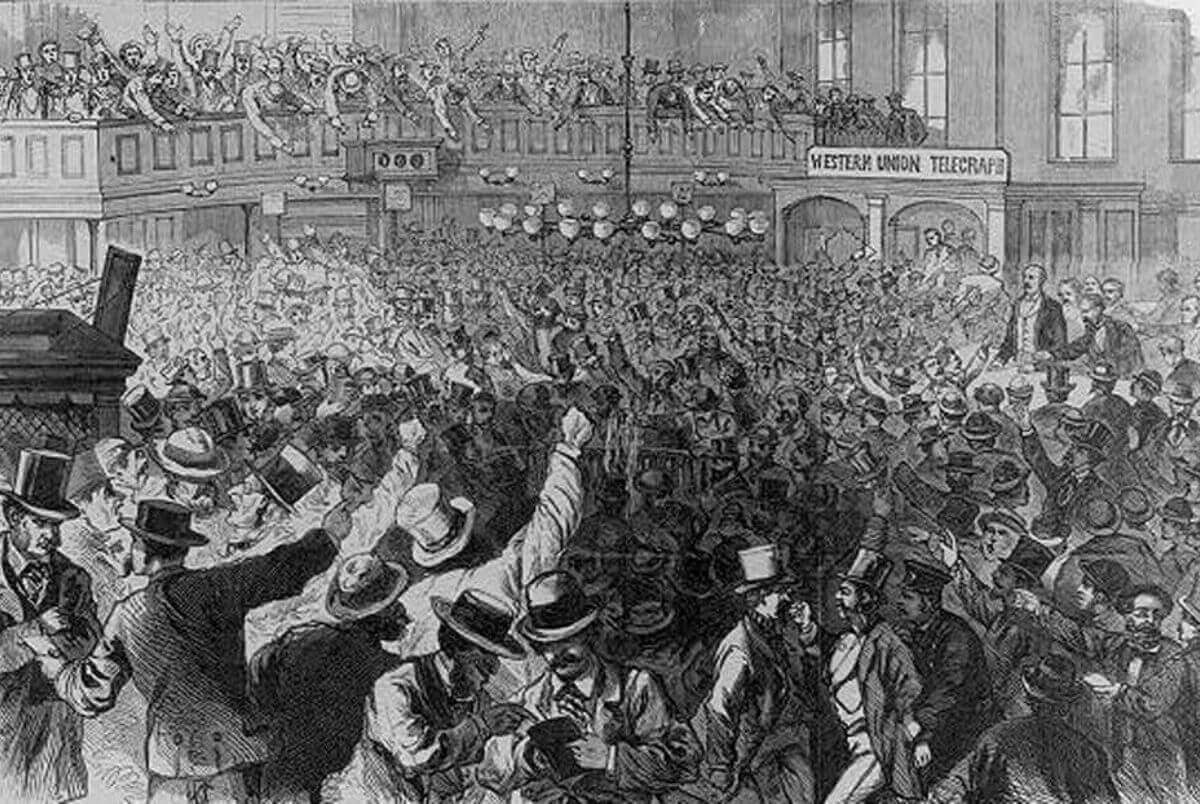
On Black Friday 1869, Jay Gould and James Fisk's gold scheme rocked Wall Street and exposed corruption at the highest levels of U.S. government.
Read more
Established in 1890, Sequoia National Park protects the world's largest trees and showcases over a century of U.S. conservation history.
Read more
The 1960 Kennedy-Nixon debate marked a turning point in U.S. politics, launching the era of televised presidential debates and media-driven campaigns.
Read more
On September 29, 1789, Congress formally created the U.S. Army under the Constitution, shaping military power within civilian control.
Read more
On September 30, 1954, the U.S. Navy commissioned USS Nautilus, the world’s first nuclear-powered submarine—redefining naval warfare forever.
Read moreThe newest pages in the archive, fresh from the editorial desk.
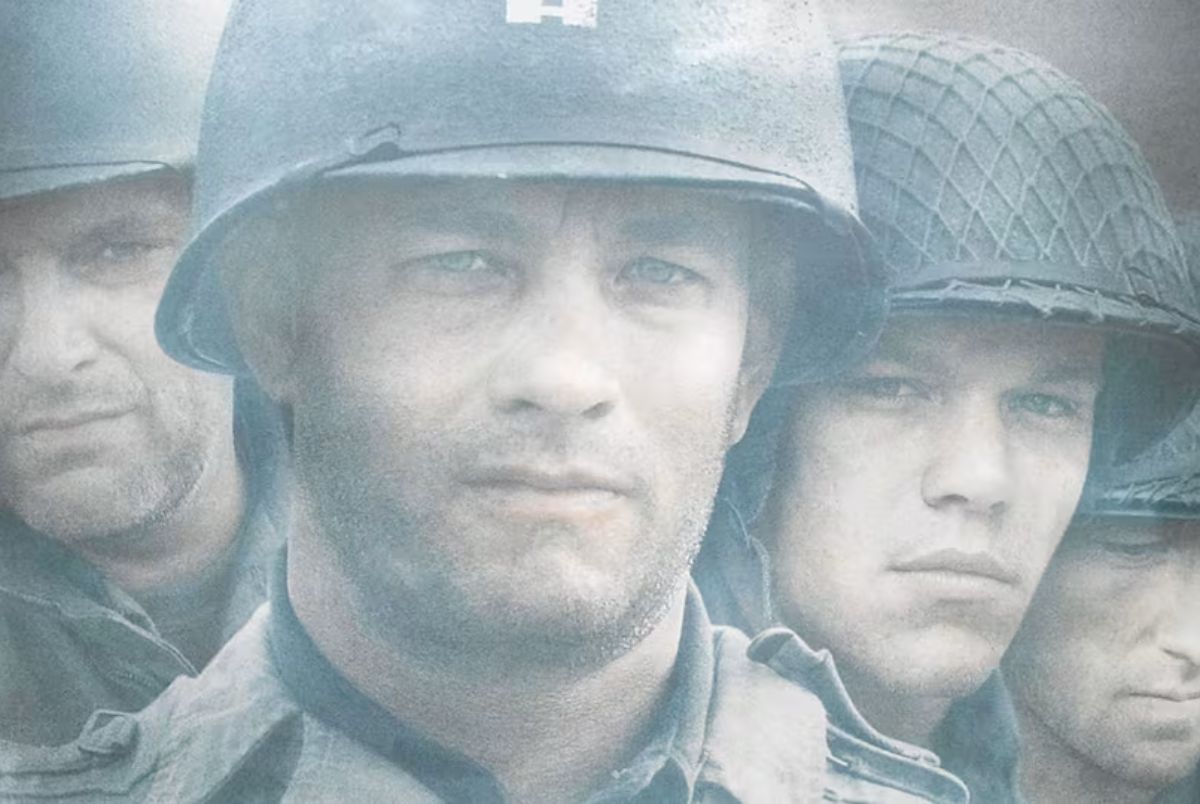
Premiering on July 24, 1998, Saving Private Ryan redefined the war film with its realistic portrayal of World War II, honoring the courage, sacrifice, and humanity of the Greatest Generation.
Read more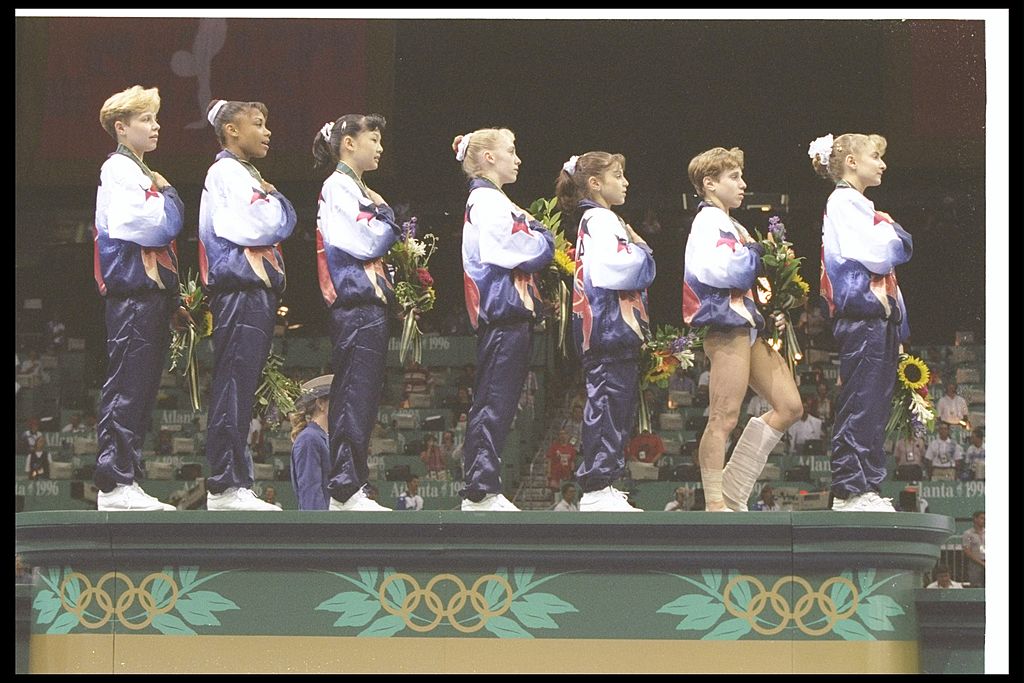
On July 23, 1996, the Magnificent Seven made Olympic history by winning the first U.S. women's gymnastics team gold medal, inspiring generations with their courage, teamwork, and unforgettable performances.
Read more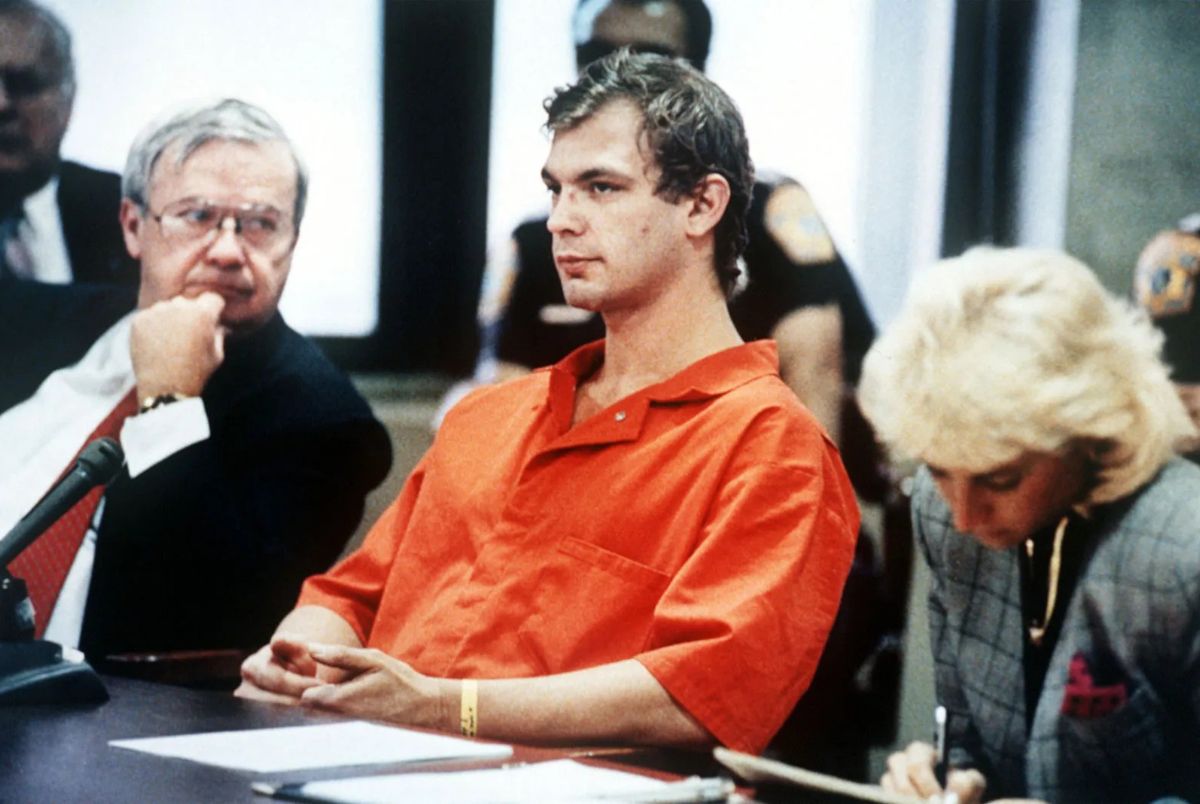
Jeffrey Dahmer's arrest on July 22, 1991, ended one of America's most notorious serial murder cases and prompted lasting changes in criminal investigations and police procedures.
Read more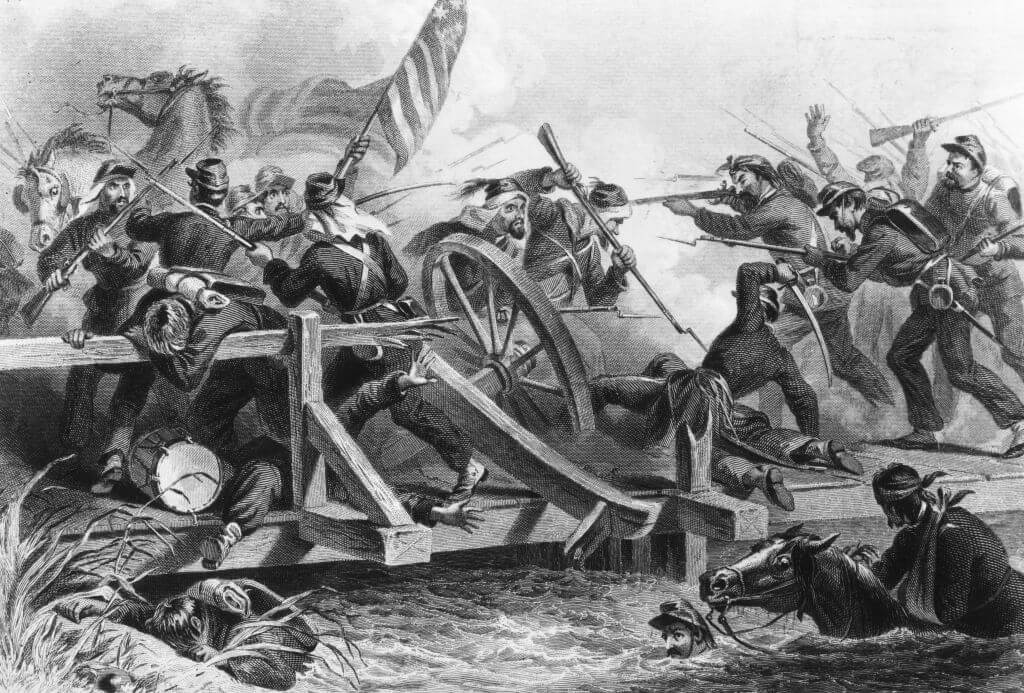
The First Battle of Bull Run on July 21, 1861, shattered hopes for a quick Civil War victory, revealing the conflict would become a long and devastating struggle that reshaped the United States.
Read more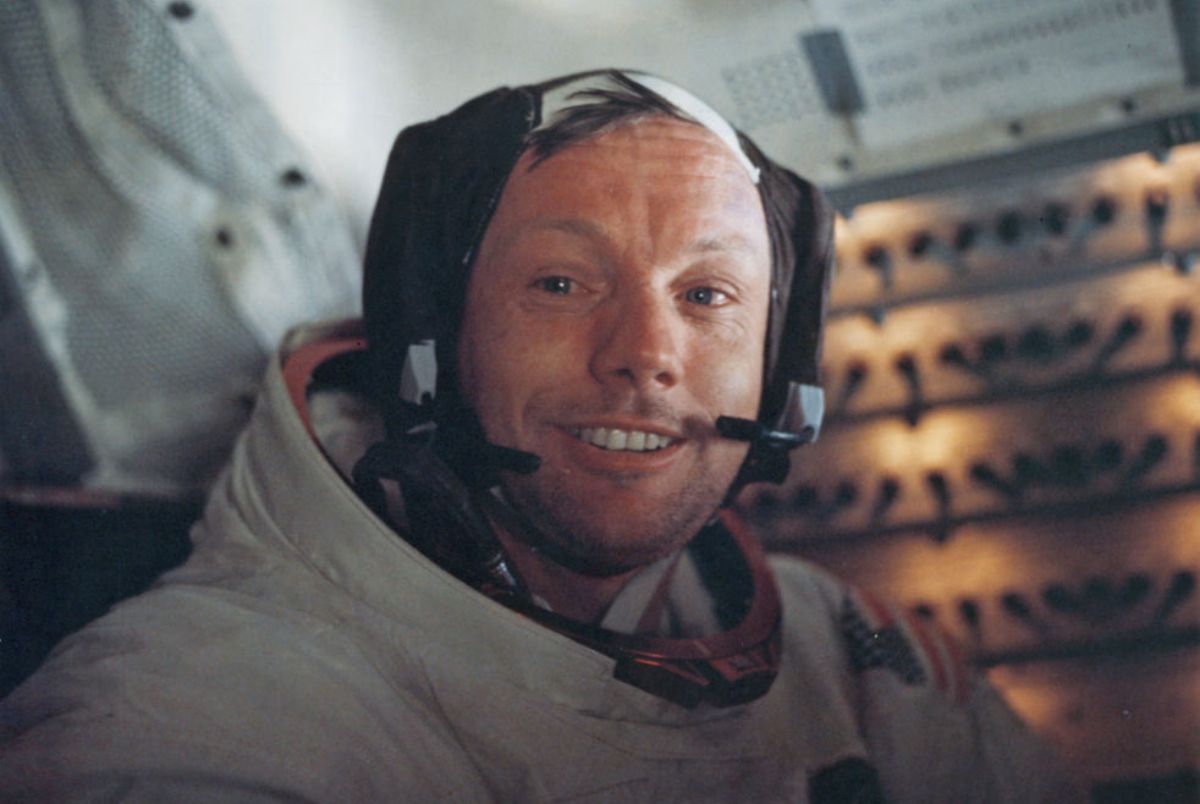
On July 20, 1969, Apollo 11 changed history as Neil Armstrong and Buzz Aldrin became the first humans to walk on the Moon, marking a defining moment in exploration, innovation, and American achievement.
Read more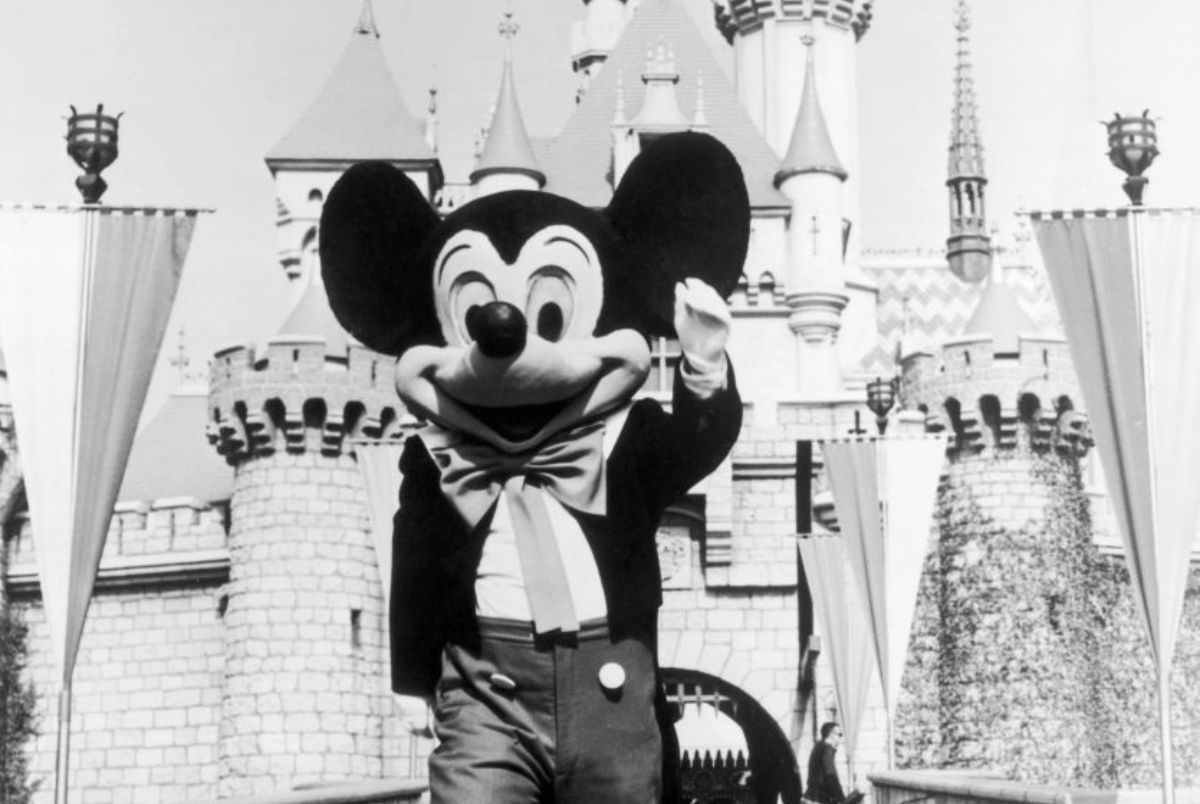
Disneyland opened on July 17, 1955, transforming family entertainment with immersive storytelling, innovative attractions, and Walt Disney's vision of creating the happiest place on Earth.
Read more