


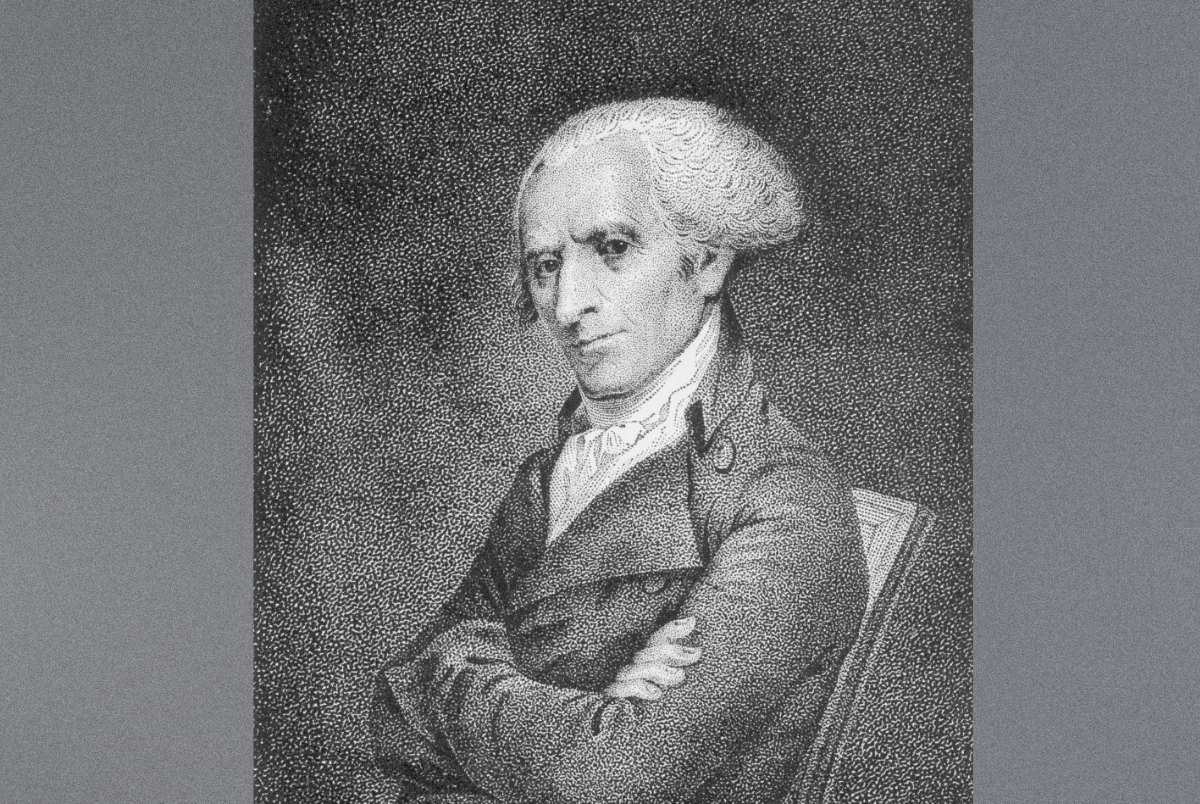
If you asked ten people on the street what “gerrymandering” meant, you would be hard pressed to find one who could explain it with any sort of detail. Yet the term has been in the news for months now. While most of us know it as the unique, often creative, drawing of congressional or state legislative district lines for political advantage, which both parties exploit for their own purposes, the real question is, from where did this term originate?
If a history buff or true political junkie told you, “gerrymandering is practically as old as our republic itself,” then he would essentially be right. The Boston Gazette first used the term on March 26, 1812, to describe how Massachusetts state senate election districts were drawn under then-Governor Elbridge Gerry. While Gerry did sign the bill at the urging of his Democratic-Republican party (the predecessor to today’s Democrat party), he nonetheless detested how the lines were drawn. In fact, he lost reelection as a result, though his party did remain in power due to the political advantage the lines created that many argued looked like a slithery reptile – a “Gerrymander.”
Elbridge Gerry is one of those forgotten names in early American history. Born to a wealthy family in Marblehead, Massachusetts, in 1744, he obtained both a bachelor’s and a master’s degree. Typical of agitators from that colonial era, he opposed British taxation without representation and spoke out about it.
Gerry was a strong supporter of the Declaration of Independence while serving as a member of the Second Continental Congress in Philadelphia from 1776 to 1780. He was an ardent believer in limited government, especially federal or centralized power. He opposed slavery and the three-fifths compromise at the Constitutional Convention in 1787, where he played a major role.
Gerry’s political career would go on to include serving in the U.S. House of Representatives from 1789 to 1793 and as Massachusetts governor from 1810 to 1812. He then served as President James Madison’s vice president starting in 1813 but died in office the following year. Elbridge Gerry’s name will forever be synonymous with gerrymandering, the famous term that bears his name from his time as governor.
Jeff Szymanski works in political communications for AMAC Action. A former social studies teacher, he holds a master's degree in political science and writes often on political and economic issues.


5 Comments