Ellis Island Officially Opened in New York
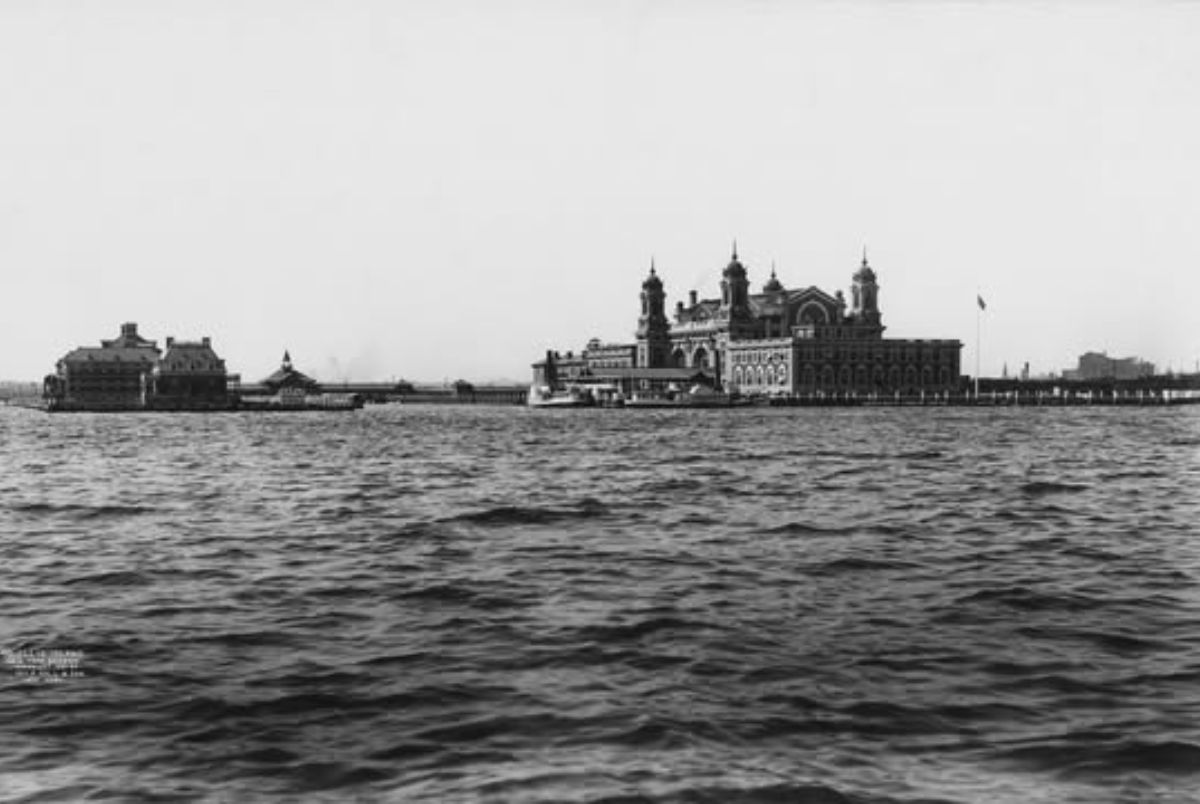
On January 1, 1892, Ellis Island opened as America's primary immigration station, welcoming millions who helped shape the nation's identity.
Read the story : Ellis Island Officially Opened in New YorkEvery date on the calendar carries a piece of the American story — battles won, documents signed, inventions unveiled, and lives that changed the course of a nation.
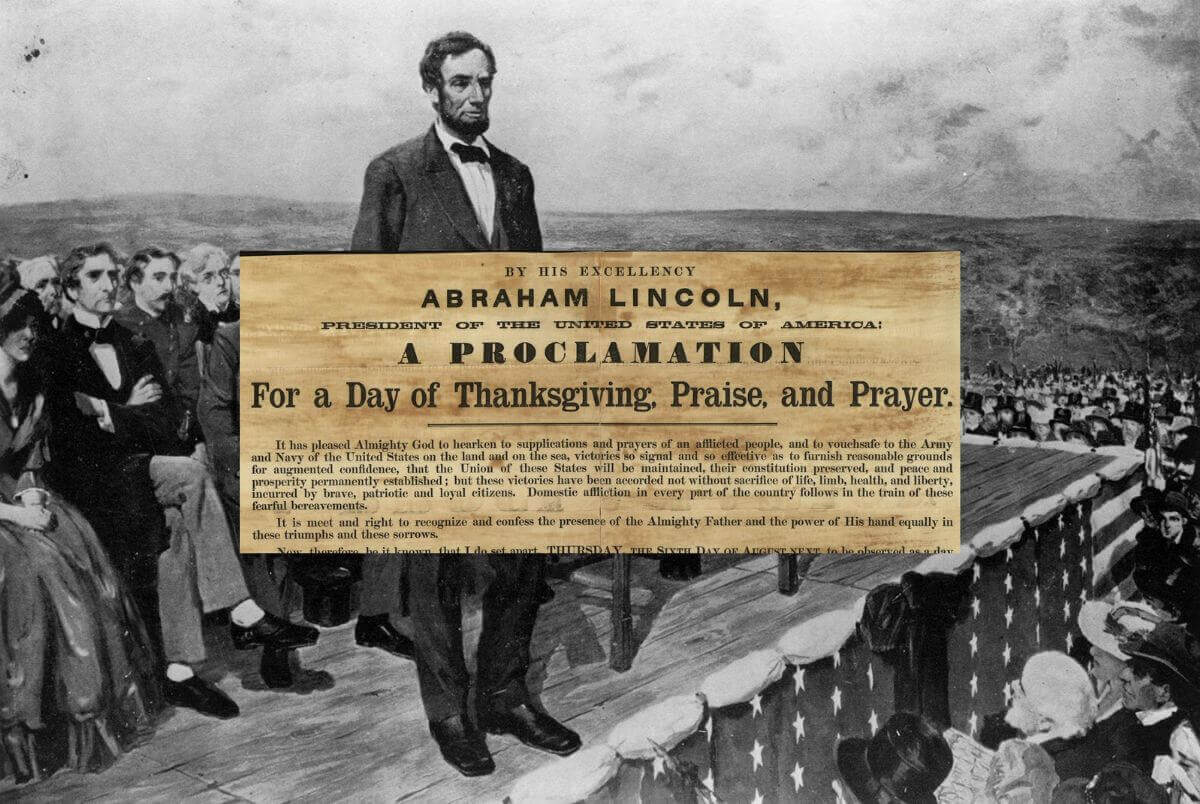
On October 3, 1863, Abraham Lincoln issued a Thanksgiving proclamation that established the national holiday during the depths of the Civil War.
Read the full storyRead the story, then take this issue’s trivia challenge.
Scanned the code in your magazine? You’re in the right place.Picture it: the windows are rolled down, a paper map unfolded across the front seat, and up ahead a glowing neon sign promises a hot meal or a clean room. There’s no GPS announcing the next turn — the road itself is part of the adventure. For generations of Americans, that road was Route 66.
Share your score and tell us — What’s your favorite Route 66 or road-trip memory?
Readers are sharing their scoresBy Alexa Astuto
An abbreviated version of the article that appears in AMAC Magazine.
For generations of Americans, the road was Route 66. Stretching roughly 2,400 miles from Chicago to Los Angeles, it carried workers searching for opportunity, servicemen heading west, and families on vacation eager to see what waited beyond the next town.
By the 1920s, automobiles were changing how Americans traveled, but the roads hadn’t caught up. Oklahoma civic leader Cyrus Avery pushed for a numbered highway linking Chicago and Los Angeles — and on November 11, 1926, U.S. Highway 66 was born. It stitched together existing roads across eight states and wasn’t paved end to end until 1938.
The Dust Bowl sent thousands west, and John Steinbeck’s The Grapes of Wrath gave the highway an enduring nickname: the “Mother Road.” After World War II, Route 66 entered its golden age — families packed station wagons for the Grand Canyon, California beaches, and Disneyland, rolling past diners, motels, and neon signs. The journey itself had become the vacation.
At its peak, the Mother Road was pure Americana — neon-lit filling stations, roadside giants, and motels shaped like teepees, each one promising weary travelers a reason to pull over and stay a while. Songwriter Bobby Troup captured the feeling in “(Get Your Kicks on) Route 66,” the 1946 hit that turned the highway’s towns into a coast-to-coast singalong.
Progress brought its decline. The 1956 Federal-Aid Highway Act built wider, faster interstates that bypassed the small towns, and on June 27, 1985, Route 66 was officially removed from the U.S. Highway System.
But it wouldn’t stay gone. Arizona barber Angel Delgadillo — Route 66’s “Guardian Angel” — helped form the Historic Route 66 Association, sparking preservation across all eight states. Neon signs were restored, motels reopened, and in 2026 the Mother Road celebrates its 100th anniversary. One hundred years later, we’re still getting our kicks on Route 66.

Pick any date to see what happened on that day in American history.
On January 1, 1892, Ellis Island opened as America's primary immigration station, welcoming millions who helped shape the nation's identity.
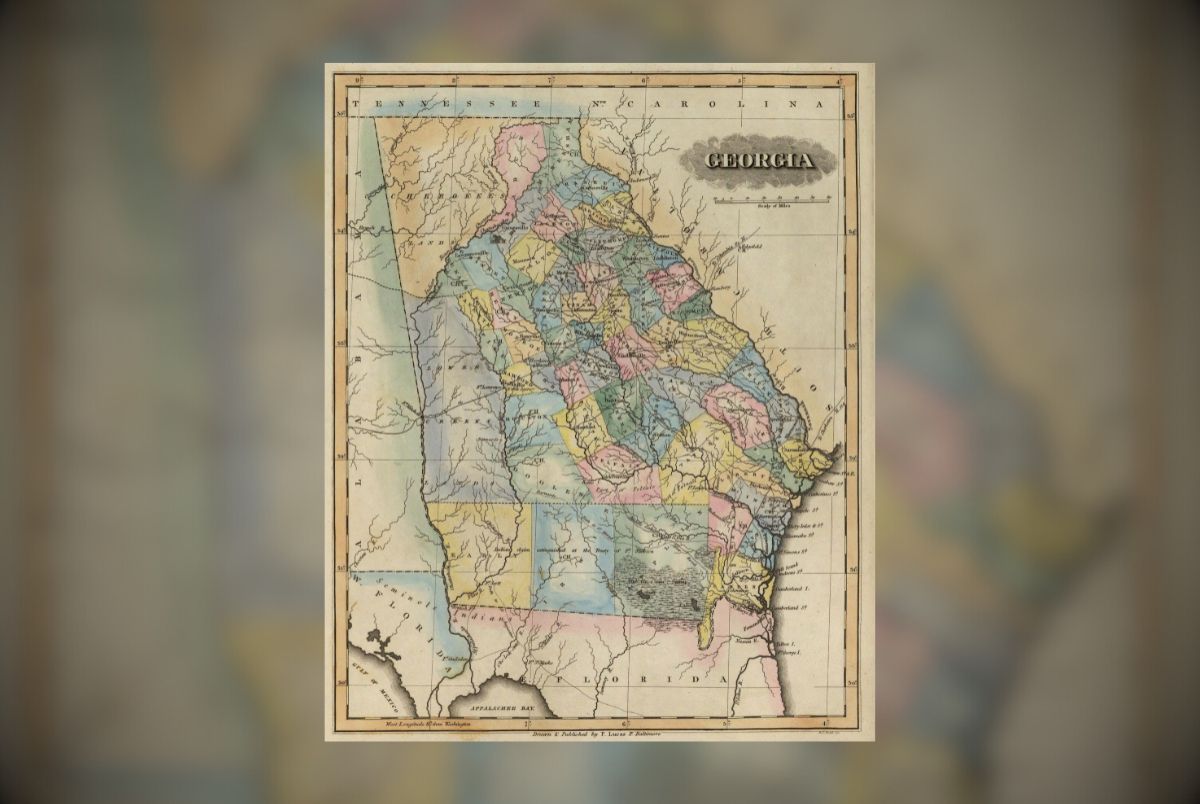
Read the story : Ellis Island Officially Opened in New YorkOn January 2, 1788, Georgia became the fourth state to ratify the U.S. Constitution, joining the Union and helping shape America’s early federal identity.
Read the story : Georgia Became the 4th State to Ratify the U.S. ConstitutionOn January 5, 1914, Henry Ford revolutionized labor by announcing a five-dollar, eight-hour workday—reshaping wages, productivity, and workplace standards.
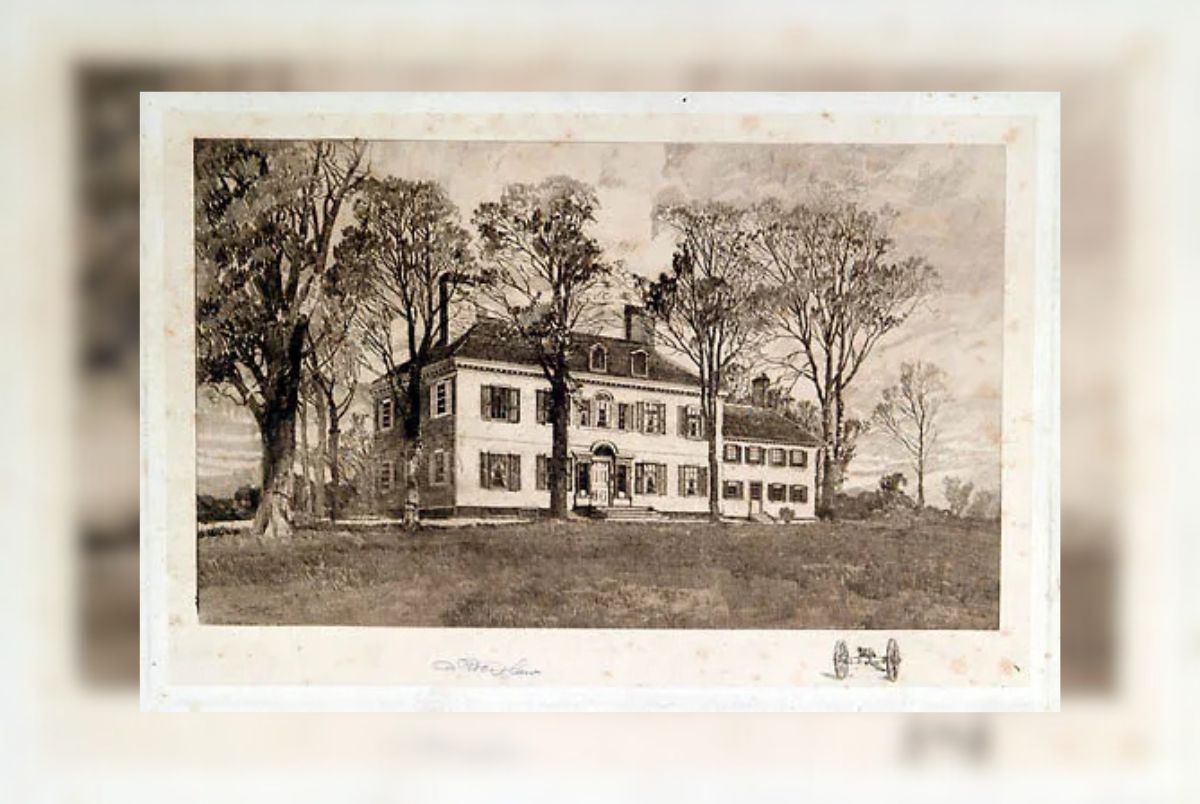
Read the story : Henry Ford Announces a Five-Dollar, Eight-Hour Workday for Ford Motor CompanyOn January 6, 1777, George Washington chose Morristown, NJ, as winter quarters—strengthening the Continental Army after victories at Trenton and Princeton.
Read the story : George Washington Sets Up Winter Quarters in Morristown, NJOn January 7, 1953, President Truman announced the U.S. had developed the hydrogen bomb, escalating the Cold War and transforming global nuclear strategy.
Read the story : President Truman Announces U.S. Has Developed Hydrogen BombOn January 8, 1867, African American men in Washington, D.C., gained the right to vote, marking a major milestone in Reconstruction-era civil rights progress.
Read the story : Congress Granted African American Men the Right to Vote in Washington, D.C.On January 9, 2007, Steve Jobs unveiled the first iPhone, revolutionizing mobile technology and launching a new era in digital communication and app ecosystems.
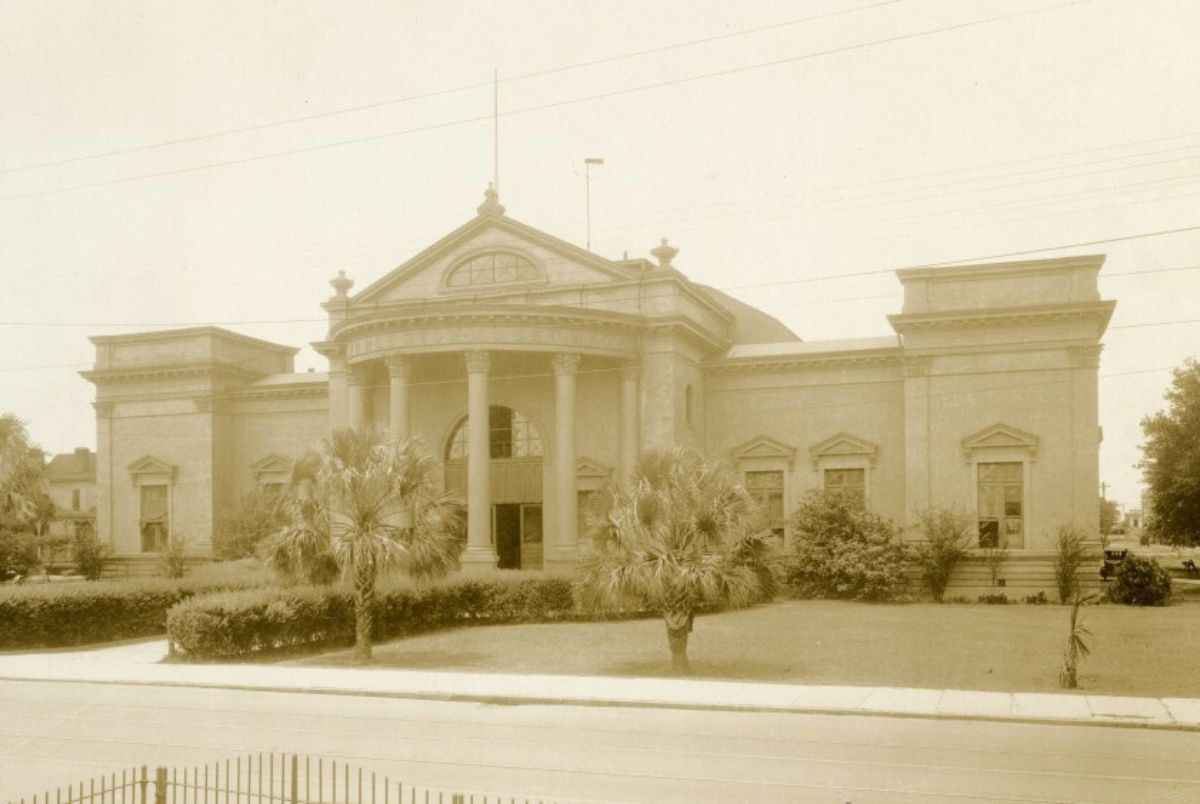
Read the story : Apple CEO Steve Jobs Unveils the First iPhoneDiscover The Charleston Museum—America’s first museum—offering 250+ years of Lowcountry history, artifacts, and immersive historic homes.
Read the story : The First Public Museum in the U.S. Is EstablishedJohnny Cash’s 1968 At Folsom Prison concert reignited his career and became one of music’s most powerful, authentic live recordings.
Read the story : Johnny Cash Records His Iconic Live Album at Folsom PrisonOn January 14, 1969, a deadly fire and explosion aboard the USS Enterprise (CVN-65) claimed 27 lives and reshaped U.S. Navy safety protocols.
Read the story : A Rocket Explosion on the USS Enterprise in Pearl Harbor Killed 27 Crew MembersOn January 15, 1972, Don McLean’s “American Pie” reached No. 1, blending nostalgia and cultural reflection into a timeless musical epic.
Read the story : Don McLean’s “American Pie” Hit #1 on the Pop ChartsOn January 16, 1919, the Eighteenth Amendment was ratified, launching Prohibition and reshaping American society through a bold social experiment.
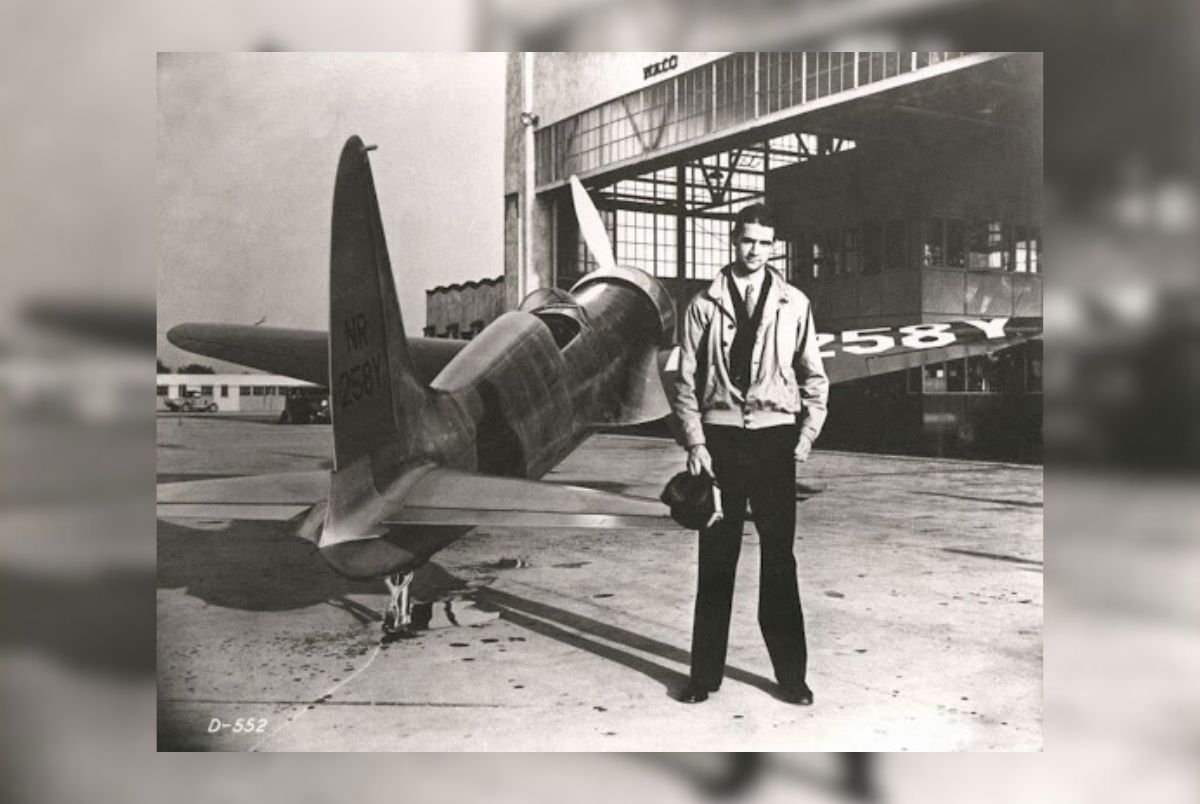
Read the story : The 18th Amendment, Banning the Manufacture, Sale, or Transportation of Alcohol, Was RatifiedOn January 19, 1937, Howard Hughes shattered the transcontinental speed record, flying coast-to-coast in under 7.5 hours aboard his H-1 Racer.
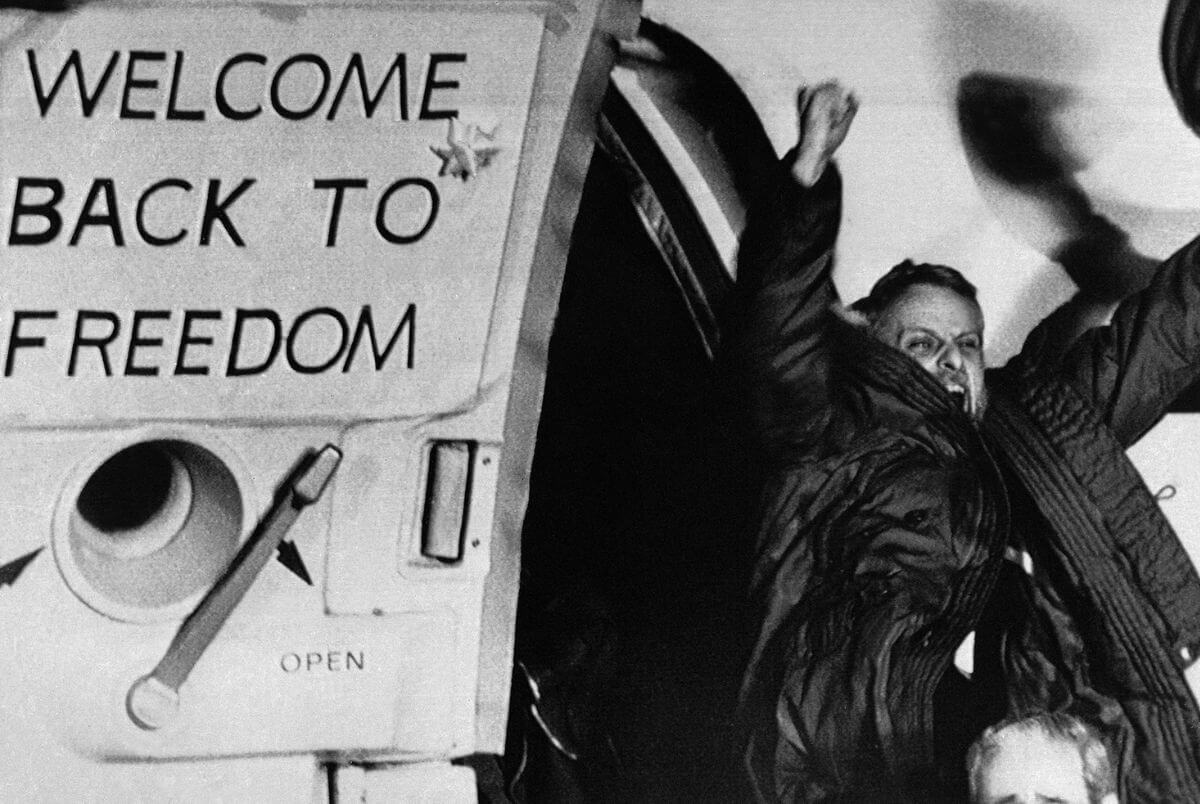
Read the story : New Transcontinental Flight Record From LA to NYCOn January 20, 1981, after 444 days in captivity, 52 American hostages in Iran were released just as Ronald Reagan was sworn in as president.
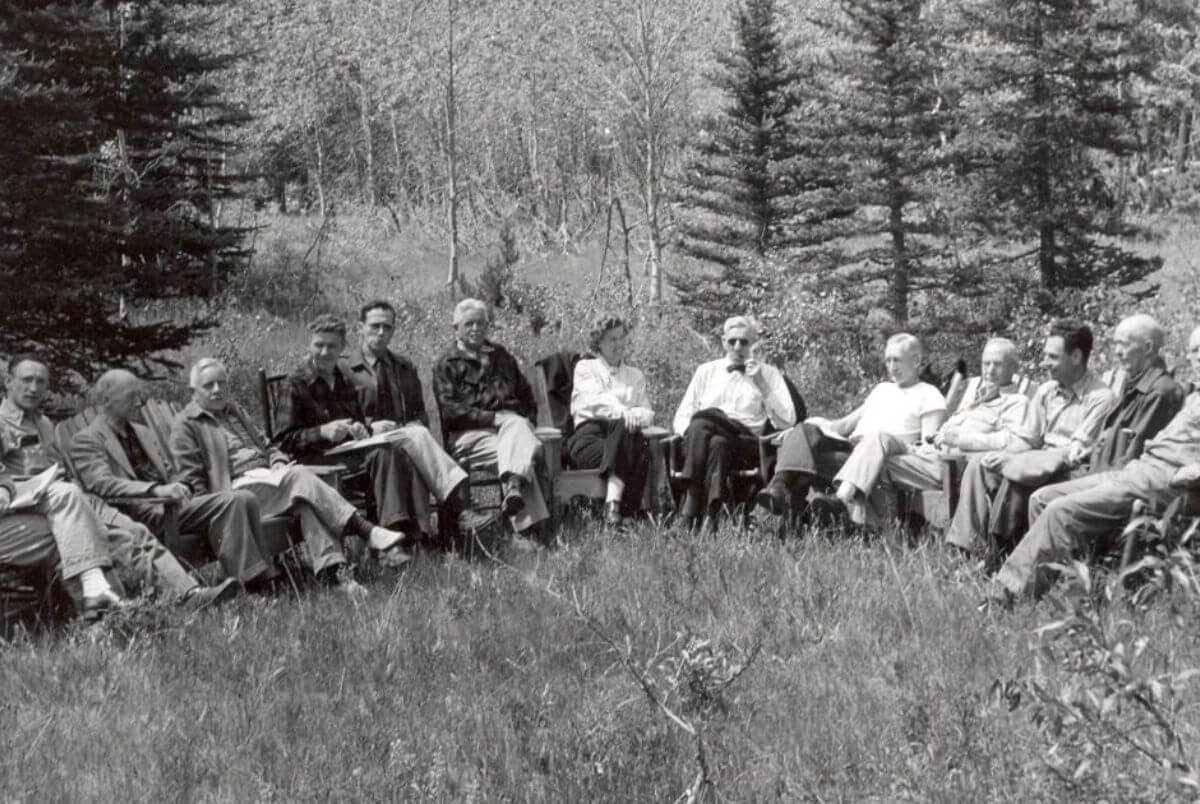
Read the story : End of the Iran Hostage CrisisOn January 21, 1935, The Wilderness Society was founded to protect America’s wild lands, sparking a lasting movement for conservation.
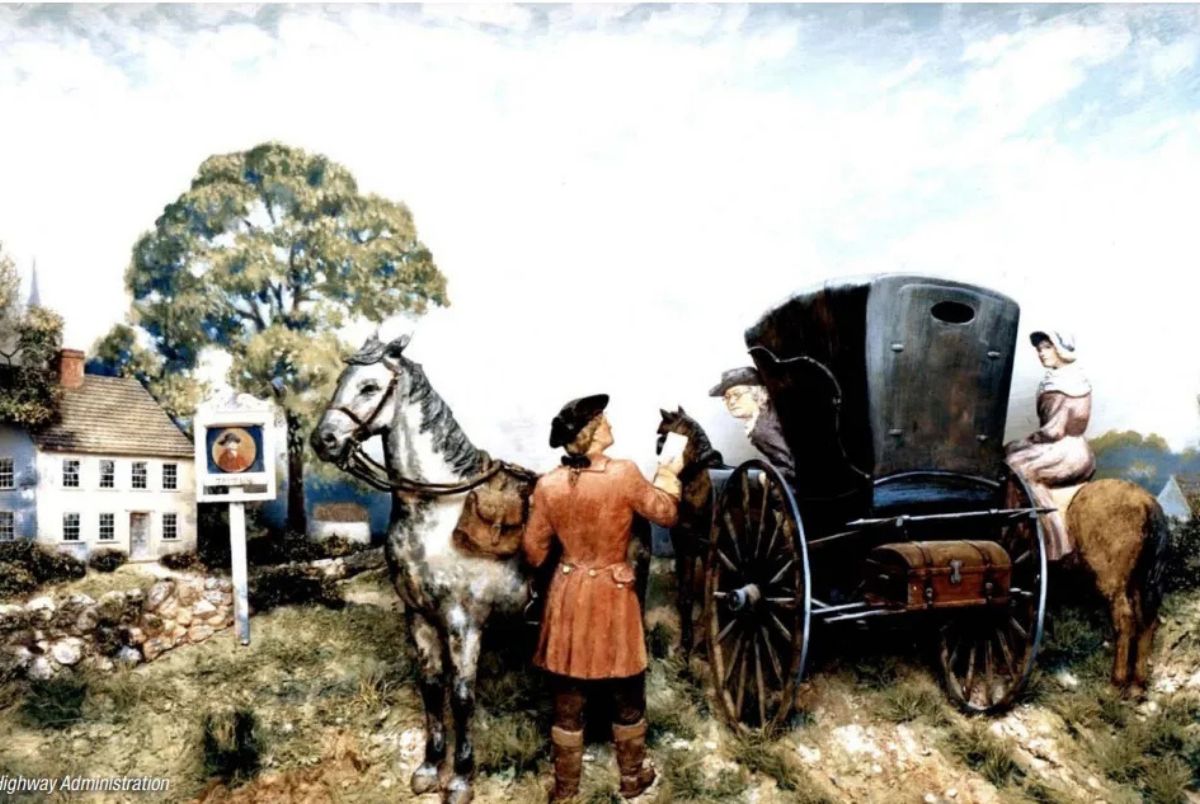
Read the story : The Wilderness Society is FoundedOn January 22, 1673, America’s first regular mail route launched between New York and Boston, laying the foundation for modern communication.
Read the story : The First Regular Postal Route in the U.S. Was EstablishedOn January 23, 1964, the 24th Amendment was ratified, banning poll taxes in federal elections and striking a blow against voter suppression.
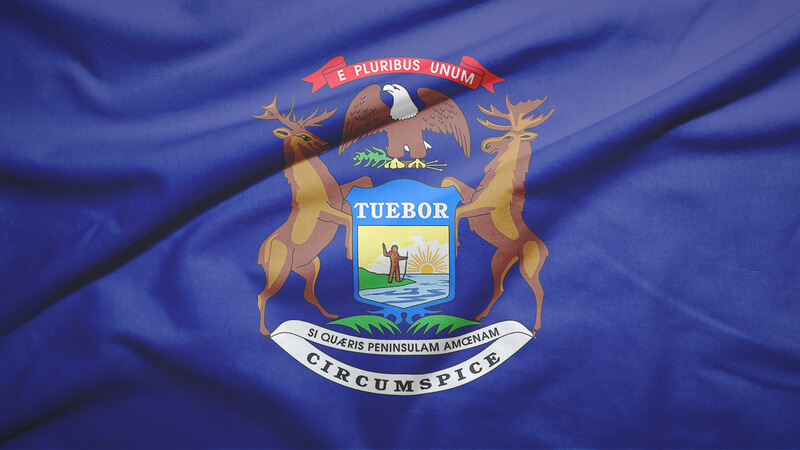
Read the story : The 24th Amendment Was RatifiedMichigan’s path to statehood was shaped by war, boundary disputes, and political persistence—culminating in its admission as the 26th state on January 26, 1837.
Read the story : Michigan Becomes the 26th U.S. StateThe 1973 Paris Peace Accords ended direct U.S. involvement in Vietnam, offering a fragile ceasefire and marking a pivotal, complex exit from war.
Read the story : The Paris Peace Accords Are SignedThe 1986 Challenger disaster stunned the nation, claiming seven lives—including teacher Christa McAuliffe—and redefining the risks of space exploration.
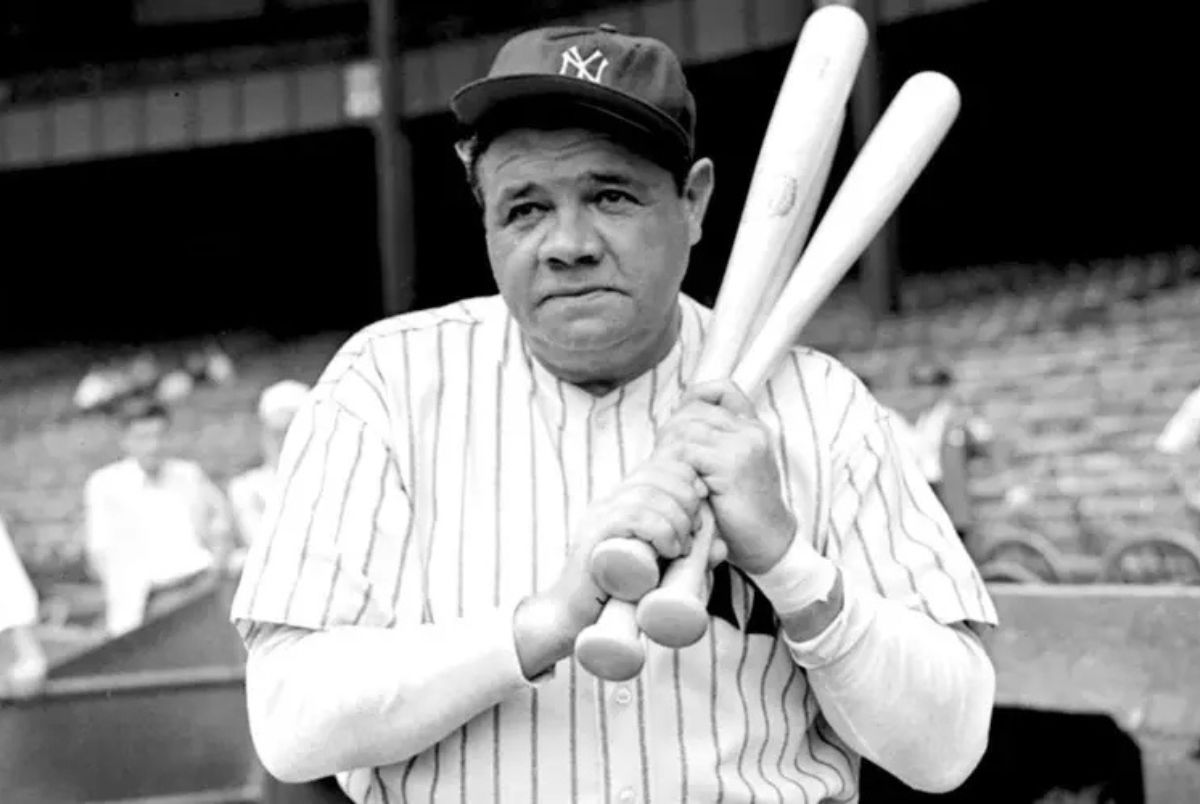
Read the story : The Space Shuttle Challenger Explodes 73 Seconds After LiftoffOn January 29, 1936, the first Baseball Hall of Fame class—Cobb, Ruth, Wagner, Mathewson, and Johnson—set the standard for enshrining greatness in Cooperstown.
Read the story : The First Members of the Baseball Hall of Fame Are NamedOn January 30, 1862, the Union’s revolutionary ironclad USS Monitor launched—marking the beginning of a new era in naval warfare during the Civil War.
Read the story : The USS Monitor is LaunchedThe people and ideas that made America, and what they still ask of us.
Weekly
With Phill Kline. The people and moments that made America exceptional, and what they ask of us now.
Several times a week · a column
Reflective essays on poetry, wisdom and the timeless truths worth living by.
The newest pages in the archive, fresh from the editorial desk.
October 2 1959 “The Twilight Zone” premieres on TV Added Oct 2
October 1 1962 Johnny Carson Makes Debut as “Tonight Show” Host Added Oct 1
September 30 1955 James Dean Dies in Car Accident Added Sep 30
September 29 1780 British Spy John André is Sentenced to Death Added Sep 29
September 28 1941 Ted Williams Becomes Last MLB Player to Hit .400 Added Sep 28
September 25 1970 “The Partridge Family” Premieres on ABC Added Sep 25