


Photo: Joe Raedle/Getty Images
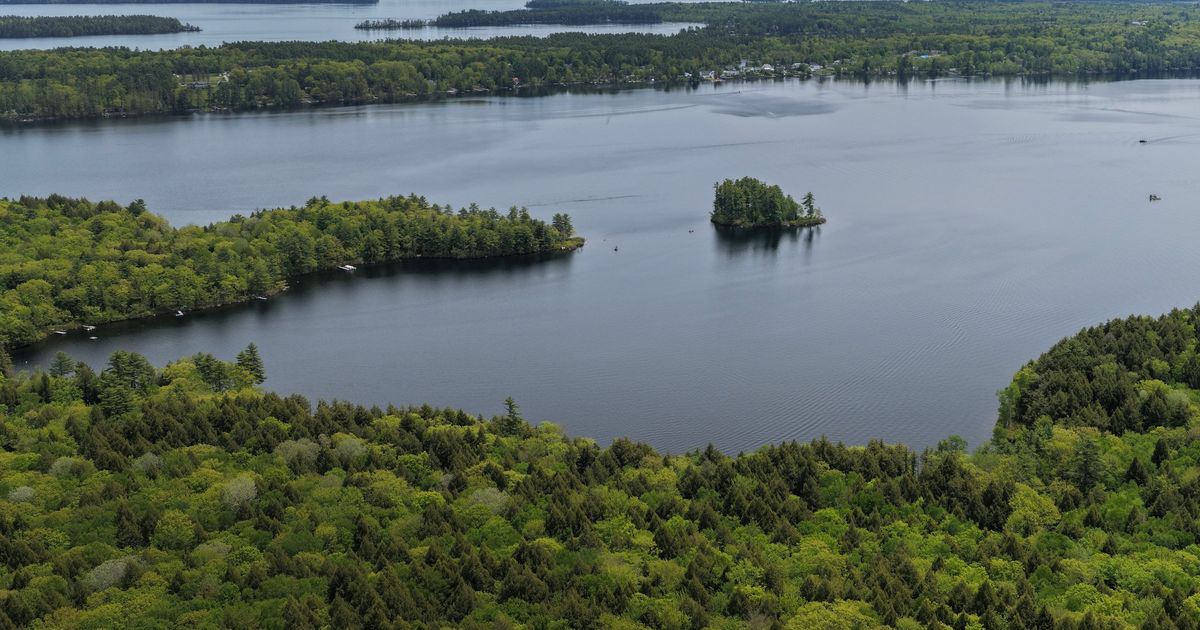
Maine has 6000 lakes. New England has 10,000. For decades, mercury from the Ohio River Valley coal plants was released into the air, carried by “westerlies,” and ended up in our lakes. A major effort needs to be launched to get coal buffering to 99.9 percent, mercury out of New England’s lakes.
For perspective, all my growing up years – like many Mainers – I fished, ate what I caught, including pickerel and perch caught ice fishing every weekend each winter. In the 1970s and 1980s, that was safe. Unfortunately, today Maine and other New England states warn of mercury pollution.
The sad truth is that, only in 2012 did regulations relating to coal plants in the Ohio River Valley come into effect, and even then – in my opinion – they were insufficient.
The so-called “Mercury and Air Toxins Standards” (MATS) appear in the Federal Register, promulgated by the Environmental Protection Agency (EPA). They have made an impact.
By 2017, they had – in fact – reduced mercury emissions by 86 percent and non-mercury metals by 96 percent. This may sound significant, and is – but more than four tons of mercury is still released, much ending up in Maine lakes. This has to stop.
In 2024, amendments were made to the law regulating coal emissions – especially mercury release. They required that only 1.2 tons of mercury be released by “lignite-fired” coal plants.
Unfortunately, in an effort to keep coal plants running in the Midwest – and saving a billion dollars – added amendments in April 2026 returned the release number to four tons from the 11.2 ton level.
Missing in this analysis is the measurable, continuing impact on Maine’s lakes – and lakes across New England – from airborne mercury released by coal plants. Once in Maine’s lakes, mercury settles to the bottom, reacts with local bacteria, and becomes methylmercury – a highly toxic organic compound eaten by small fish, eaten by larger ones, and on up the Maine food chain.
Needed is a fresh look at the damage mid-western mercury has done – and is doing – to Maine lakes. This is not about other forms of energy, just coal. Five things – common sense – are missing.
First, a direct appeal by New England Governors needs to be made to the EPA and Trump White House to restore the lower MATS emissions number, protecting the natural resource of our lakes with current technology. Rather than confrontation, that appeal should be fact-based and compelling.
Second, technologies which can take scrubbing to 99.9 percent should be accelerated, incubated and advanced with tax policies in Maine and other New England states, for near-term application.
Third, a direct conversation among the Republican governors in New England and the majority Republican governors in coal-producing and coal processing states should begin.
Fourth, while clean-up is natural (takes decades), this can be accelerated with technology. A review of how, where, timetables, and costs should be undertaken by Maine’s next governor.
Finally, this review should be paired with ending phosphorus-driven algae blooms in many Maine lakes, a problem that is being accentuated by build-up and temperature oscillations.
Nationwide – and in Maine – the health of our lakes, ponds, and rivers matters. Theodore Roosevelt knew it 100 years ago, conservative Edmund Burke talked of intergenerational obligation, and we know it today. Mounting mercury and phosphorus pollution means refocusing on our lakes.

About the author
Robert B. Charles
National Spokesman, AMAC
@Bobby4MaineAll articles by Robert B. Charles →
Expertise
- • U.S. foreign policy and national security
- • Counter-narcotics and international law enforcement
- • American politics and government
- • Leadership, character, and American history
Credentials
- • Former U.S. Assistant Secretary of State, Bureau of International Narcotics and Law Enforcement Affairs (October 2003 - March 2005)
- • Reagan White House staffer (1981-1983)
- • Deputy Associate Director, Office of Domestic Policy, George H.W. Bush White House (1992-1993)
- • Staff Director and Chief Counsel, U.S. House Subcommittee on National Security, International Affairs, and Criminal Justice (1995-1999)


5 Comments