


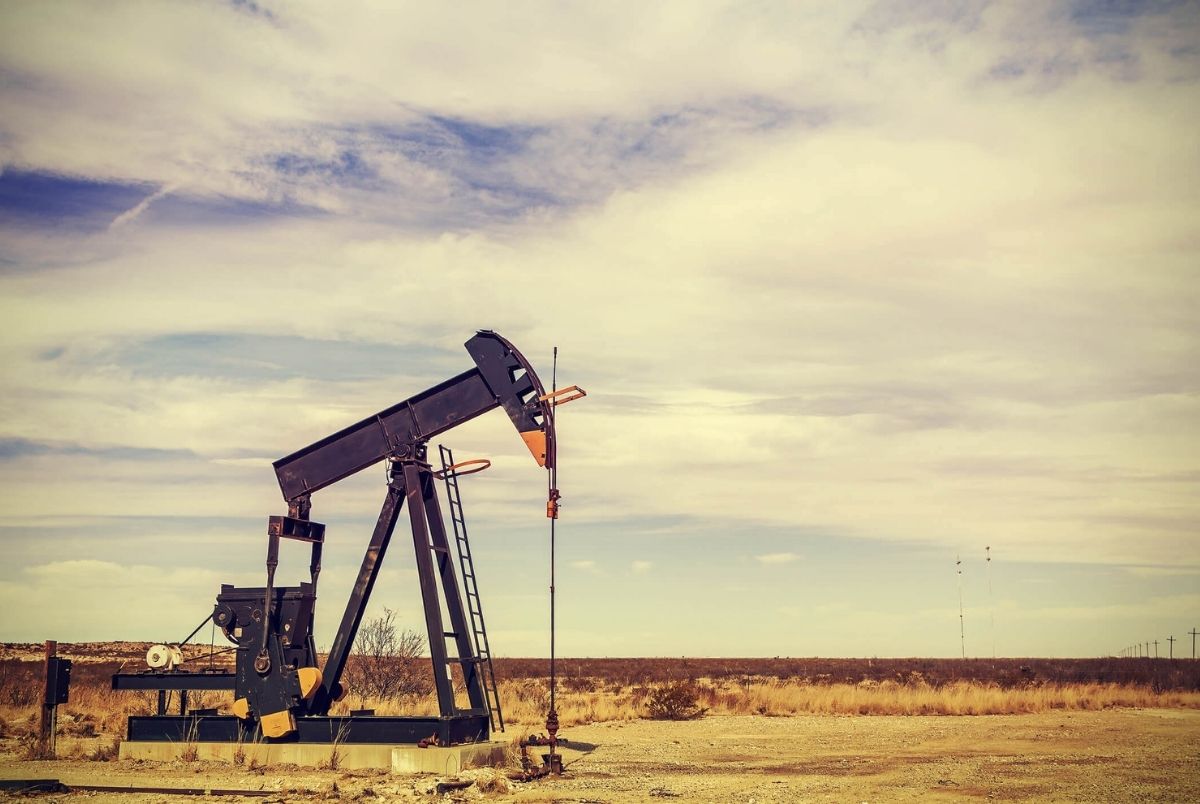
A somewhat convoluted and obscure case currently before the Supreme Court could nonetheless have drastic implications for the future of the U.S. oil and gas industry – and the principle of federalism itself. Depending on the outcome, oil and gas companies could be forced to pay massive fines for drilling activities nearly a century ago that helped the United States win World War II.
The case is titled Chevron USA v. Plaquemines Parish. It began all the way back in 2013 when several Louisiana parishes (the primary local government subdivisions in the state) filed suit against Chevron and other oil and gas companies in state court. The plaintiffs alleged that the oil companies’ exploration, production, and related activities in coastal zones damaged wetlands and waterways. The parishes sought monetary compensation for the alleged harm.
The drilling activity at issue in the case came all the way back during World War II. Like many companies, Chevron used its expertise to help produce valuable resources for the U.S. military – in this case, aviation fuel. It did so under a federal contract to extract oil from Louisiana’s coasts. For years, no one batted an eye at this valuable service.
Fast forward to 1980, when Louisiana passed a statute requiring new permits for all coastal projects. Critically, however, the statute included a “grandfather clause” exempting projects that began before the law passed. But in 2018, the Louisiana Department of Natural Resources suddenly switched course and now states that the oil companies should not get the benefit of the exemption.
Enter unscrupulous trial attorneys who saw the shift as a lucrative opportunity to weaponize state courts against the oil companies – yet another entry into the rapidly expanding genre of climate lawfare against energy producers. Lawsuits against the oil companies for production activities that fueled American planes during World War II have netted more than $740 million in state courts so far.
As the Wall Street Journal Editorial Board explains, the allegations that the oil companies are responsible for coastal erosion are based on flimsy science at best. The scientific analysis relied on by the state leaves out the important context of why there is flooding: “The main culprits are storms and geography, not oil and gas drilling.”
“The U.S. Army Corps of Engineers also contributed by leveeing the Mississippi River to prevent flooding, which had the unintended effect of preventing wetlands from naturally regenerating,” the Board writes.
Moreover, the attorneys who sued Chevron and won in state court “gave nearly $15,000 to the state judge who presided over the case,” according to the Washington Free Beacon. Donations went to state judge Michael Clement just months after attorneys filed the initial lawsuit “in Clement’s judicial district.”
The donations and ensuing judgment reek of a “kangaroo court,” according to former Attorney General William Barr, who served under Presidents George H.W. Bush and Donald Trump.
“The whole thing is set up as a kangaroo court. The whole structure of this was set up to, basically, pander to the interests of these plaintiffs’ lawyers,” Barr told the Free Beacon. “You have all these different cases with these guys getting big payouts if they can force a settlement.”
“The dogs are being let loose on these companies for political reasons,” Barr said.
Barr’s concerns are precisely why Chevron and its co-defendants in the Louisiana case have appealed to the Supreme Court. They argue that the parishes’ litigation must be brought in federal court, not state courts.
Chevron’s case centers on something called the “federal officer removal statute” – an 1812 law passed to avoid what appears to be taking place in Louisiana. That statute gives federal courts the power to hear state court cases filed against “any officer (or any person acting under that officer) or the United States or of an agency thereof, in an official or individual capacity, for or relating to any act under color of such office.”
In other words, lawsuits against federal officials and contractors must be heard in federal courts. The purpose of this statute is to prevent state courts that are hostile to certain federal activities from bogging down those activities in endless litigation. The law has been upheld for more than two centuries for good reason – to preserve the principle of federalism and the supremacy of federal law.
The Supreme Court agreed to take up the case, and eight of the nine justices heard oral arguments on January 12. Justice Samuel Alito recused himself because he has stock holdings in ConocoPhillips, which may be impacted by the decision.
Daniel Erspamer, CEO of the conservative Pelican Institute for Public Policy, has warned of the potential consequences for Louisiana and the country if the Supreme Court does not stop this effort. He wrote that there are “more than 40 additional cases pending in state courts,” all of which could produce “staggering” damages. Presumably, more lawsuits would be filed if the Supreme Court gives them the green light.
“This litigation threatens the survival of Louisiana oil and gas production and my state’s ability to grow, attract families, and thrive,” Erspamer warned. “It is also a threat to Mr. Trump’s energy agenda.”
As he points out, this isn’t just a Louisiana problem. A ruling against Chevron will open a floodgate of copycat lawsuits against any company that could be blamed – whether fairly or not – for environmental concerns, even for actions taken many decades ago.
At the conclusion of oral arguments, it appeared uncertain which direction the justices were leaning toward ruling in. But if they hope to uphold a nearly two-century-old precedent protecting legitimate federal government activity from becoming mired in a flood of litigation in state courts, the decision should be an easy one.
AMAC Newsline contributor Matt Lamb is an associate editor for The College Fix. He previously worked for Students for Life of America, Students for Life Action, and Turning Point USA. He previously interned for Open the Books. His writing has also appeared in the Washington Examiner, The Federalist, LifeSiteNews, Human Life Review, Headline USA, and other outlets. The opinions expressed are his own. Follow him @mattlamb22 on X.

About the author
Matt Lamb
Associate Editor, The College Fix
@mattlamb22Expertise
- • Higher education and campus issues
- • Free speech
- • Pro-life politics and policy
- • Conservative politics and culture
Credentials
- • Associate Editor, The College Fix
- • AMAC Newsline contributor
- • Formerly with Students for Life of America, Students for Life Action, and Turning Point USA
- • Former intern, Open the Books


49 Comments