
If you’ve been feeling more stressed, mentally fatigued, or simply stretched thin by the pace of life, you’re not alone. For many adults over 50, managing stress while maintaining energy, focus, and overall well-being becomes increasingly important.
What may surprise you is this: one of the most powerful tools for improving your health isn’t found in a prescription bottle or even a structured exercise program.
It’s found in how you spend your free time.
A growing body of research shows that engaging in enjoyable hobbies is strongly associated with lower rates of depression, improved cognitive function, and greater life satisfaction. In fact, a large-scale study of older adults across multiple countries found that those who regularly engaged in hobbies reported better mental health and overall well-being (Mak et al., 2023).
In other words, hobbies aren’t just a way to pass the time, they’re also a powerful form of preventive health care.
Here are six evidence-based hobbies that can help reduce stress, support health, and enhance quality of life as you age.
1. Creative Arts (Painting, Drawing, Crafting)
Creative hobbies like painting, drawing, knitting, or crafting actively support your mental and emotional health. Research shows that just 45 minutes of art-making can significantly reduce cortisol, the body’s primary stress hormone (Kaimal et al., 2016). Other studies have found that engaging in visual arts can improve brain connectivity and support cognitive function (Bolwerk et al., 2014).
Why it works:
Creative activities engage multiple areas of the brain at once, motor skills, emotional processing, and problem-solving, helping to promote neuroplasticity while also providing a calming, meditative effect.
2. Gardening
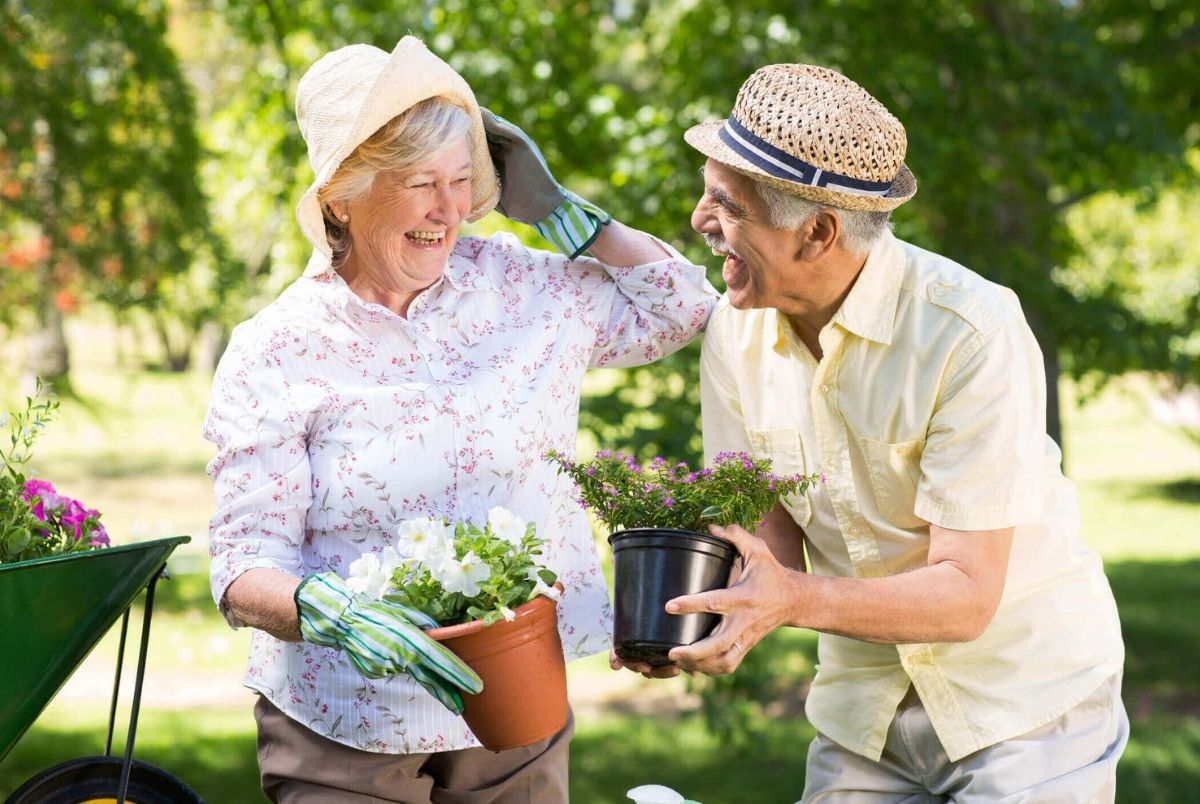
Gardening is one of the most powerful hobbies for improving both mental and physical health.
I’ll share personally: I didn’t start gardening until my mid-40s. What began as a small backyard project has become one of the greatest joys of my life. There is something deeply grounding about stepping outside, getting your hands dirty, and being fully present in the rhythms of nature.
For me, gardening is more than just growing plants. It’s a welcome way to disconnect from screens, reduce stress, and reconnect with something deeper. I feel a sense of peace and even spirituality when I’m in the garden. It’s one of the few places where my mind slows down.
It’s also incredibly rewarding. I grow my own flowers, vegetables, fruits, and herbs, which provides me and my family with fresh, nutrient-dense food that I know is free from pesticides and chemicals. And I love bringing in fresh-cut flowers to brighten up my home.
There’s a simple joy in that that never gets old.
The research strongly supports what many gardeners intuitively feel. Gardening has been shown to reduce symptoms of depression and anxiety, improve overall health, and even lower stress hormones like cortisol (Soga et al., 2017; Park et al., 2009).
Why it works:
Gardening combines gentle movement, fresh air, sunlight, and a sense of purpose, all of which work together to reduce stress and support emotional well-being.
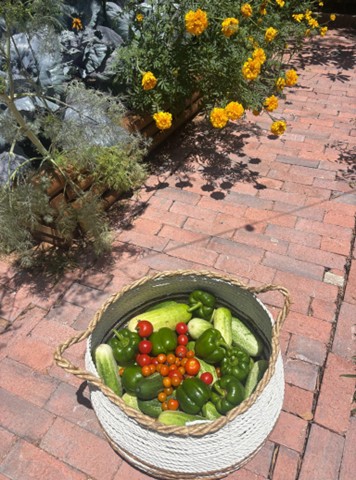
Here is a photo of a summer harvest from my backyard garden in Texas.
Puzzles, Reading, and Lifelong Learning
Activities that challenge the brain, such as reading, crossword puzzles, Sudoku, or learning a new skill, play a critical role in maintaining cognitive health.
In a landmark study published in the New England Journal of Medicine, researchers found that participation in cognitively stimulating activities was associated with a reduced risk of dementia (Verghese et al., 2003). More recent research shows that learning new skills can improve memory and cognitive performance in older adults (Park et al., 2014). In other words, lifelong learning is a key to better cognitive health.
Why it works:
Mental challenges stimulate neural pathways and help build “cognitive reserve,” which may protect the brain against age-related decline.
4. Social Hobbies (Clubs, Volunteering, Group Activities)
Hobbies that involve social interaction, such as book clubs, volunteer work, church groups, or group classes, offer meaningful benefits that go far beyond enjoyment.
Strong social connections have been shown to increase longevity and reduce the risk of depression. Social engagement is also associated with better cognitive health and a lower risk of dementia.
One of the most compelling real-world examples of this comes from the Blue Zones, regions of the world where people consistently live longer, healthier lives. In places like Okinawa, Japan, and Sardinia, Italy, strong social connections are built into daily life. People gather regularly with friends, participate in community groups, share meals, and maintain a deep sense of belonging. These consistent social interactions are considered one of the key lifestyle factors contributing to their exceptional longevity and lower rates of chronic disease.
Why it works:
Social interaction reduces loneliness, lowers stress, and provides emotional support, all of which contribute to better overall health.
5. Cooking and Baking
Preparing meals at home can be a creative and rewarding hobby that supports both physical and mental well-being. Studies show that people who cook at home more often tend to have better diet quality and improved health outcomes (Mills et al., 2017). Cooking has also been linked to improved mood and lower rates of depression (Bone et al., 2022).
Brownie points for cooking healthy meals!
Why it works:
Cooking combines creativity, planning, and nourishment. It also reinforces healthy habits and provides a sense of independence and accomplishment.
6. Mind-Body Practices (Tai Chi, Stretching, Mobility)
Mind-body hobbies like Tai Chi or gentle stretching practices are especially beneficial for reducing stress and improving overall resilience. Research shows these practices can reduce anxiety, improve balance, enhance cognitive function, and support better sleep. Tai Chi, in particular, has been shown to improve both physical and mental function in older adults (Wayne et al., 2014).
Why it works:
These practices activate the body’s relaxation response, helping to counteract the effects of chronic stress while supporting both physical and mental health.
Why This Matters More After 50
As we age, the risk of chronic stress, social isolation, and cognitive decline increases. At the same time, many people find themselves with more unstructured time.
This is where hobbies can become a strategic, if not essential, part of a well-rounded lifestyle.
Engaging in meaningful activities provides purpose, structure, and enjoyment, all of which are strongly linked to better health outcomes. Leisure activities have even been identified as a key component of “successful aging” (Sala et al., 2019).
The Bottom Line
Hobbies are often viewed as a way to fill extra time. But the research tells a different story. Fulfilling hobbies can reduce stress, support brain health, improve mood, and contribute to a longer, healthier life.
And sometimes, as I’ve found in my own backyard, they can also bring a sense of peace, joy, and connection that you didn’t even realize you were missing.
Looking for more inspiration? Don’t forget to register for the free AMAC Active webinar, ‘The Stress Reset Workshop: Practical Strategies for Energy, Heart Health & Longevity with Dr. Sanjay Bhojraj,’ on April 29, 2026, at 2pm EST.
Melanie Griffin is a health and wellness professional with over 20 years of experience in fitness, nutrition, and chronic disease prevention for midlife and older adults. She holds a B.S. in Sports & Fitness, is a NASM Certified Fitness Nutritionist, ACE Senior Fitness Specialist, Certified Brain Health Trainer, and an IIN Hormone Health Specialist, and is currently pursuing a Master of Science in Integrative and Functional Nutrition. Her work focuses on whole-person health, integrating nutrition, movement, and lifestyle factors to support long-term vitality and quality of life.






I noticed one other very important item that you missed…Pets. Having an animal(s) to care for, gives you a reason to get up in the morning. Having a dog also means exercise. I have 3 parrots and a cat. I have to clean their cages and vacuum everyday, get down on the floor and clean the litter box a couple times a day, prepare their food and clean water and shop for them. Many people would see this as a lot of unnecessary work, but it’s so rewarding. They give so much love and enjoyment back and I am never lonely.
What about learning to play an instrument? I thought that was supposed to be good for the brain, too.
I retired in 2022. I looked into volunteering but the covid shot was required and I have lost all interest in volunteering since. I never got the shot and surprisingly never had covid.
I would only dispute the one about Gardening. Clearly the author loves it but for those of us who don’t we hate it so much that we do not want longevity if we have to do too much of it!
Hobbies are for children. Adults who need to rely on hobbies for fun and external validation from others are the least interesting, most intellectually stunted individuals in any given room.