
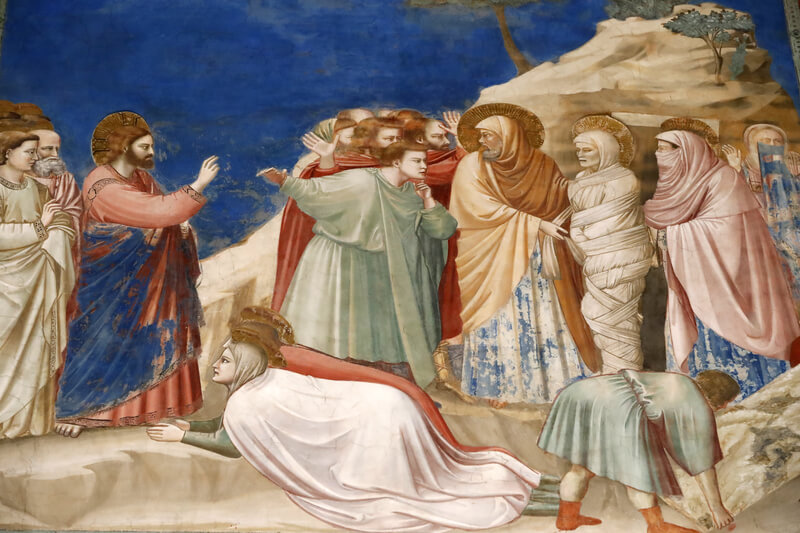

This month our theme is Hope – that confident, steadfast trust in God’s faithfulness even when circumstances scream otherwise. Last week on Easter, we celebrated the ultimate story of hope: Jesus Christ’s victory over sin and death through His resurrection. That glorious morning reminds us that death does not have the final word.
The story of Lazarus in John 11 takes that truth and brings it close to home. It shows us that Christ’s resurrection power is not only for the distant future – it grants us victory and life right now, even in our deepest pain. And it assures us of the eternal salvation that awaits all who belong to Him.
Imagine the scene in the little village of Bethany, just outside Jerusalem. Lazarus, a dear friend of Jesus and brother to Mary and Martha, falls gravely ill. The sisters, desperate and believing in Jesus’ healing power, send an urgent message: “Lord, the one you love is sick” (John 11:3 (opens BibleGateway in a new tab)).
Jesus receives the news, but He does something surprising – He stays where He is for two more days. By the time He finally arrives in Bethany, Lazarus has already been in the tomb for four days. The air is thick with grief. Mourners fill the home. The sisters are shattered.
Martha runs to meet Jesus first. Through tears and disappointment, she says, “Lord, if you had been here, my brother would not have died” (John 11:12 (opens BibleGateway in a new tab)). Mary soon follows, falling at Jesus’ feet with the same aching words. The pain is raw. Their brother – someone Jesus loved – is gone. The one they trusted to come quickly had delayed. Hope feels buried with Lazarus behind that stone.
Then comes one of the most moving moments in all of Scripture. Jesus sees Mary weeping, along with the friends who had gathered. The Bible tells us He was “deeply moved in spirit and troubled” (John 11:33 (opens BibleGateway in a new tab)). And then, in the shortest verse in the Bible, we read:
“Jesus wept” (John 11:35 (opens BibleGateway in a new tab)).
This is the only time Scripture records Jesus weeping. He who knew He was about to raise Lazarus from the dead still entered fully into their sorrow. He didn’t rush past their pain or dismiss their grief with a quick “Don’t worry, I’ve got this.” Instead, the Lord of life stood there and cried with them. What a powerful reminder: Jesus sees our pain. He empathizes with our struggles. He doesn’t stand aloof from our tears – He shares them.
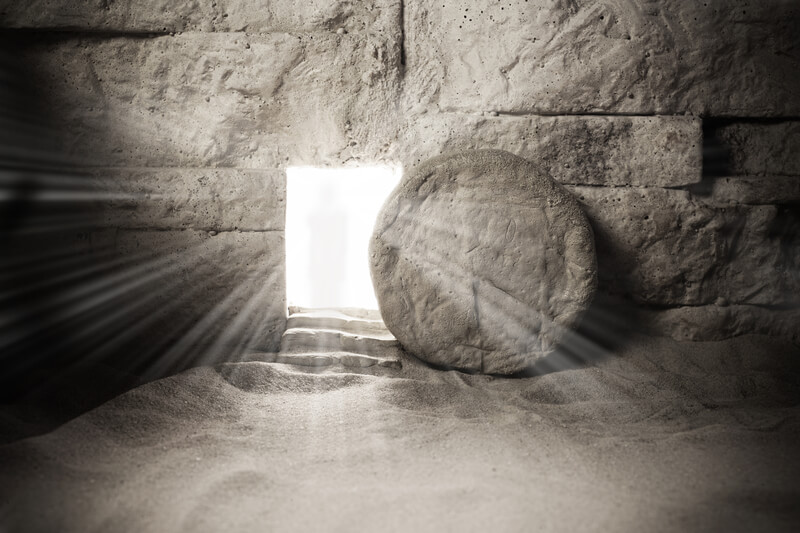
From our limited human perspective, everything looked hopeless. The tomb was sealed. The body had begun to decay. The sisters’ dreams for their brother had died with him. How often do we find ourselves locked in those same moments? When the diagnosis comes, when the relationship fractures, when the world around us feels chaotic and dark – we can only see the stone rolled in front of the tomb. We feel the finality. We wonder where God is.
But Jesus invites us to lift our eyes. He tells Martha, “I am the resurrection and the life. The one who believes in me will live, even though they die; and whoever lives by believing in me will never die.” Then He walks to the tomb and commands, “Take away the stone.” Martha protests – the smell will be terrible after four days. Yet Jesus calls out in a loud voice:
Lazarus, come out!
And the dead man walks out – still wrapped in his burial cloths, alive and breathing.
This miracle wasn’t just about one man’s temporary return to life. It was a preview of the greater resurrection to come. It was a sign that pointed straight to Easter. Jesus didn’t merely postpone Lazarus’ death – He demonstrated that in Him, death itself has been defeated.
Here is the ultimate lesson for us this month: We don’t have to fret over the chaos and suffering we see in our larger world, or in our personal circumstances. We know the end of the story. Because Jesus rose from the dead, we have life – abundant life now and eternal life forever. The same power that called Lazarus from the grave lives in us through the Holy Spirit. The same Savior who wept with Mary and Martha stands with us in our grief today.
In Christ, the tomb is never the end. Darkness is never final. Hope is not wishful thinking – it is the confident assurance that the One who conquered death is writing the final chapter, and it is good.
So whatever stone you’re facing right now, hear Jesus’ voice calling to you: “Come out. Live. Hope.”



5 comments
What did this stir in you this week?