
U.S. history
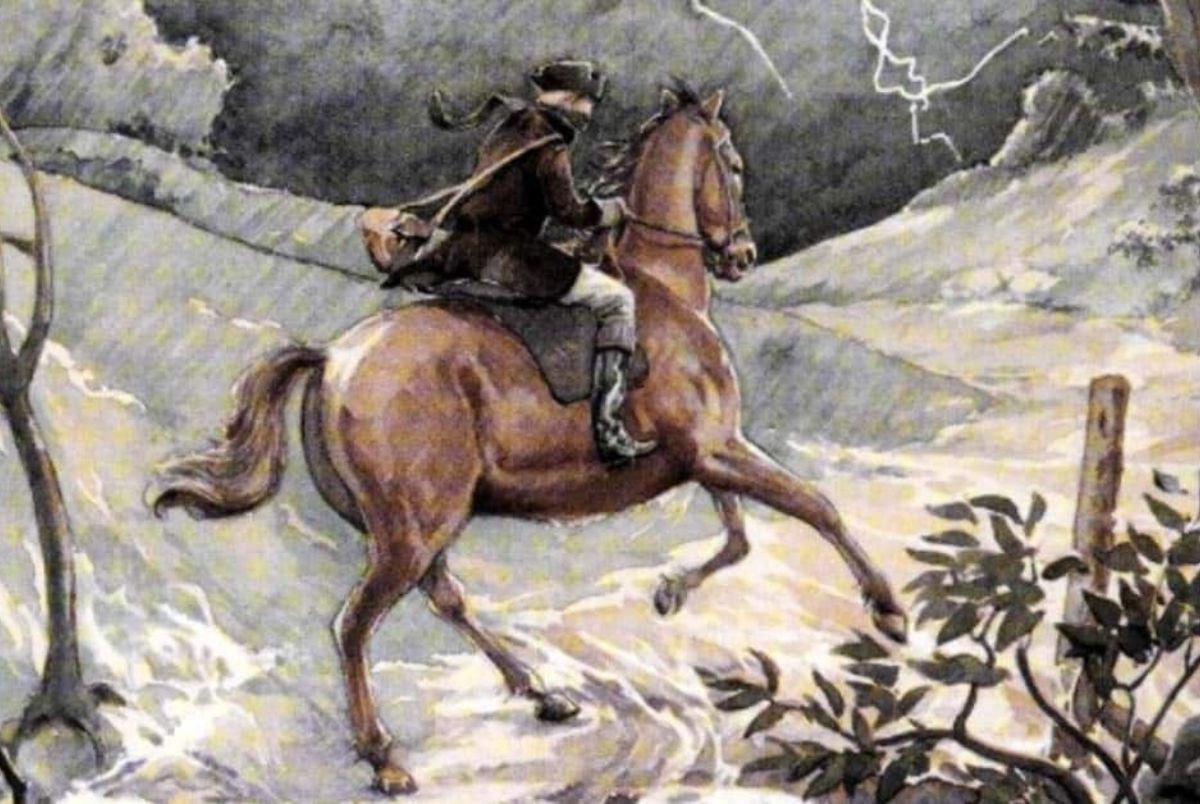
ECHOES OF EXCEPTIONALISM: The Midnight Ride of Caesar Rodney
The storm clouds gathering over Delaware mirrored the darker storm spreading across the colonies. America stood on the edge of...
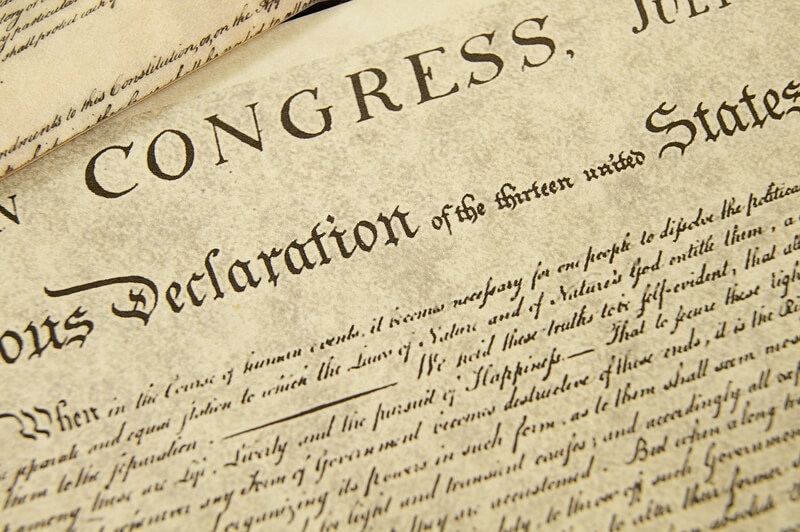
American Exceptionalism: The Parchment That Birthed a People
The following is a transcript of remarks delivered by law professor and former Kansas Attorney General Phill Kline on behalf...
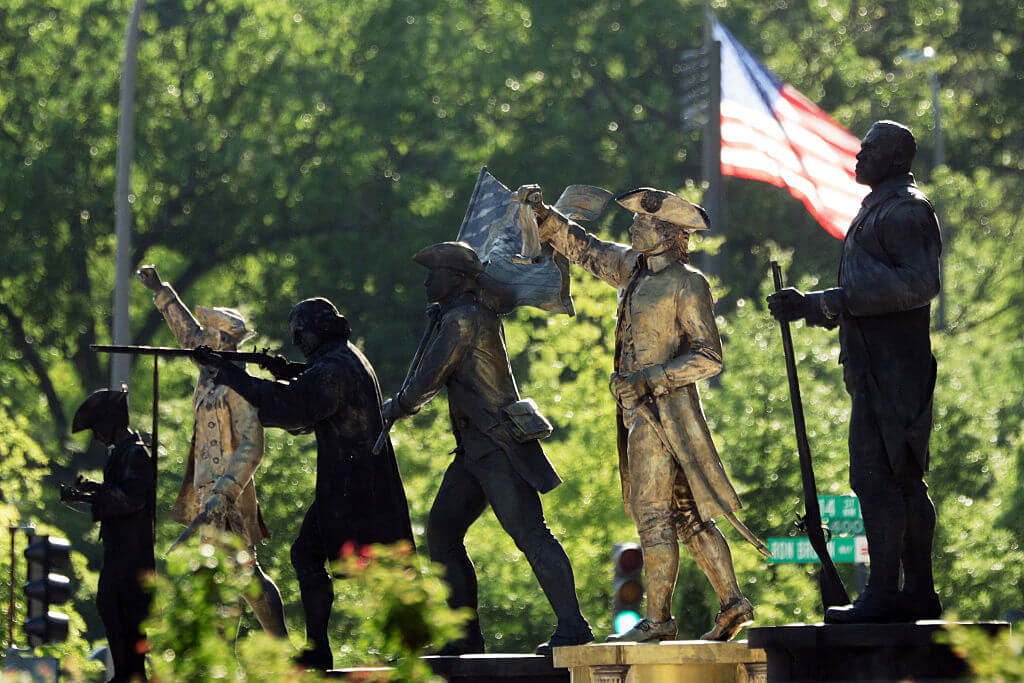
Go Meet the Forgotten Founders
Independence Day has passed. The Great American State Fair has now come to a close. But that doesn’t mean there’s...
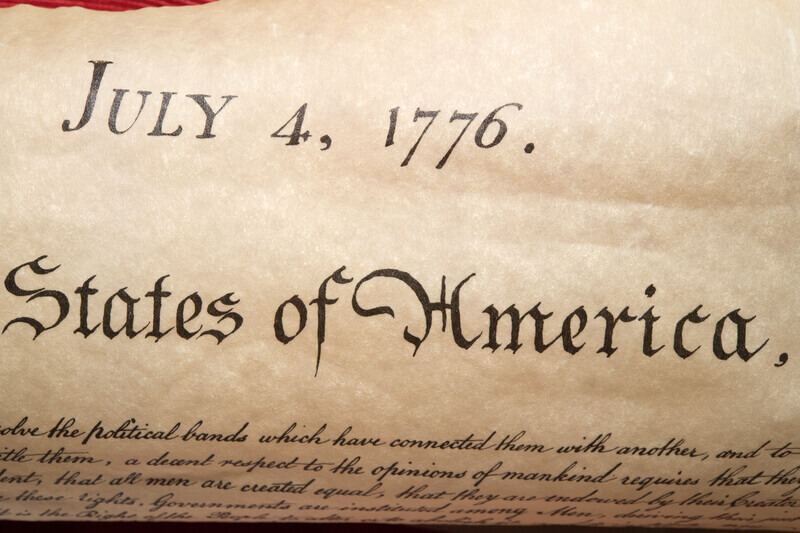
The Week…After July 4
Well, we all just celebrated - with great joy, light, sound, burgers, and thanksgiving - the 250th anniversary of July...
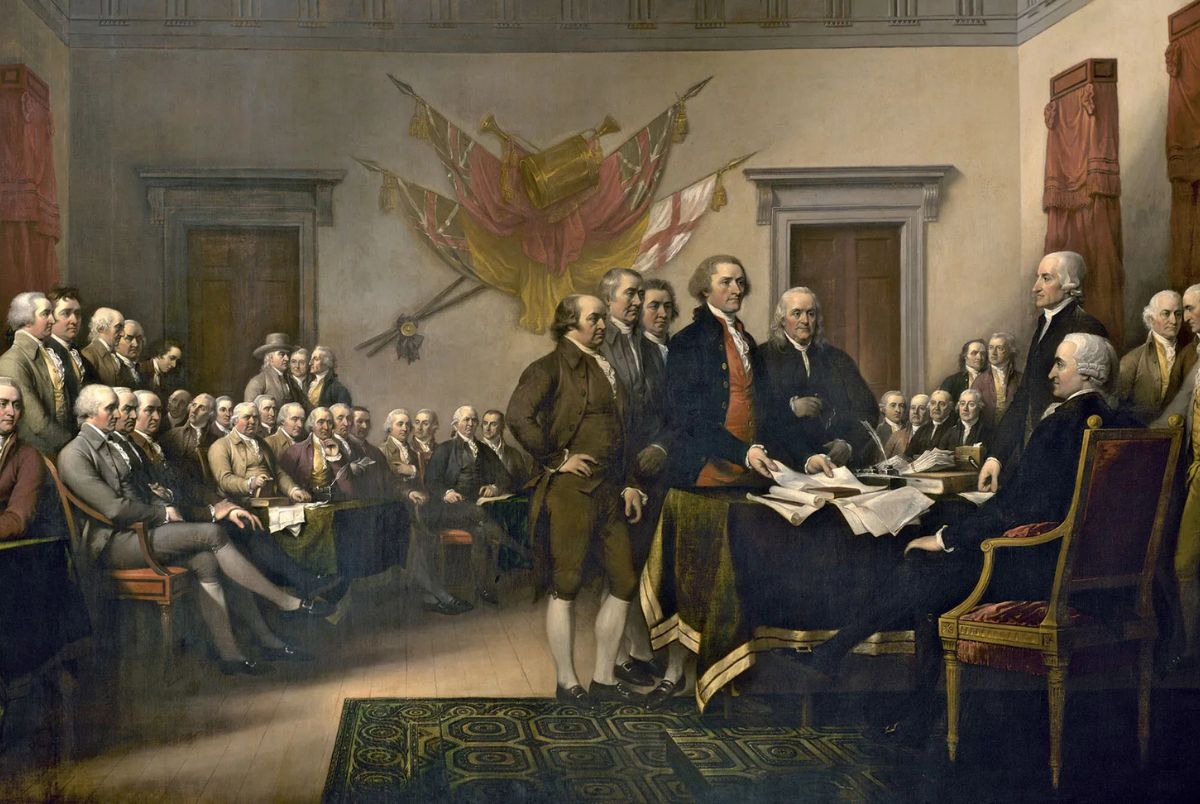
Continental Congress Adopts the Declaration of Independence – This Day in History
On July 4, 1776, the Second Continental Congress formally adopted the Declaration of Independence, announcing to the world that the...
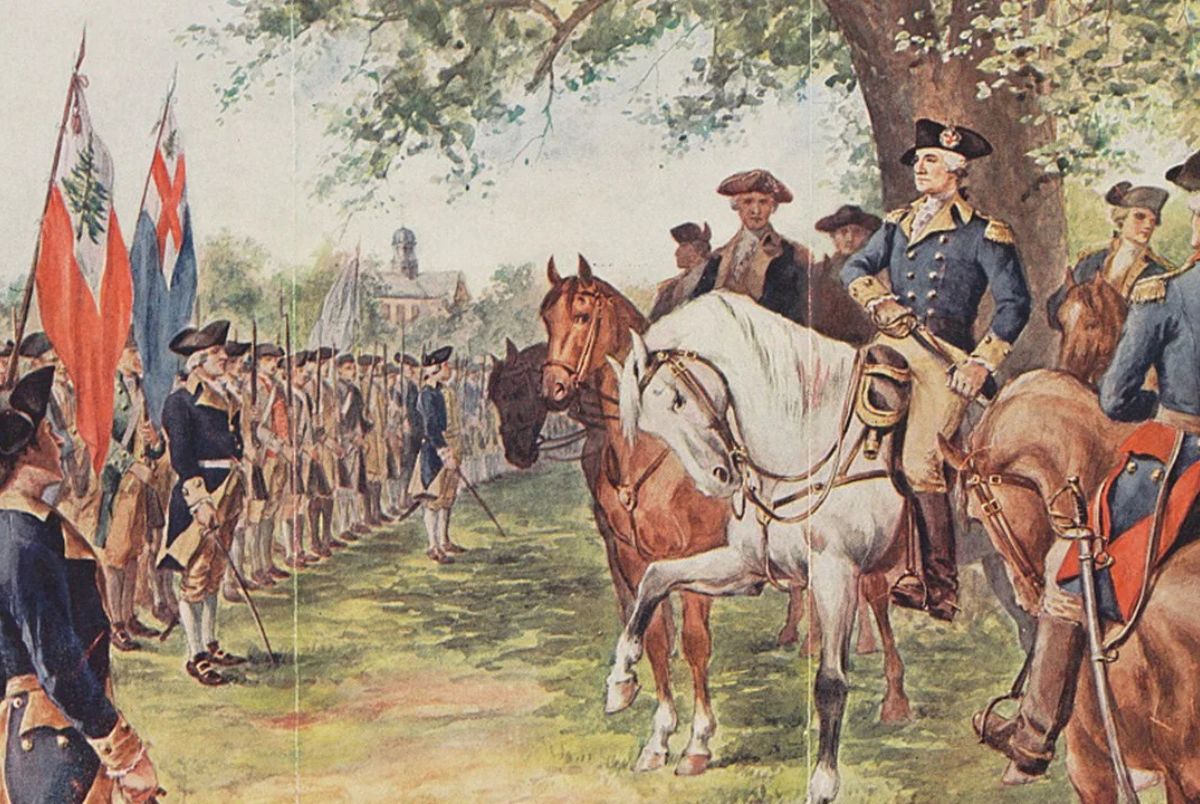
George Washington Takes Command of Continental Army – This Day in History
On July 3, 1775, beneath the shade of a great elm tree in Cambridge, Massachusetts, George Washington formally took command...
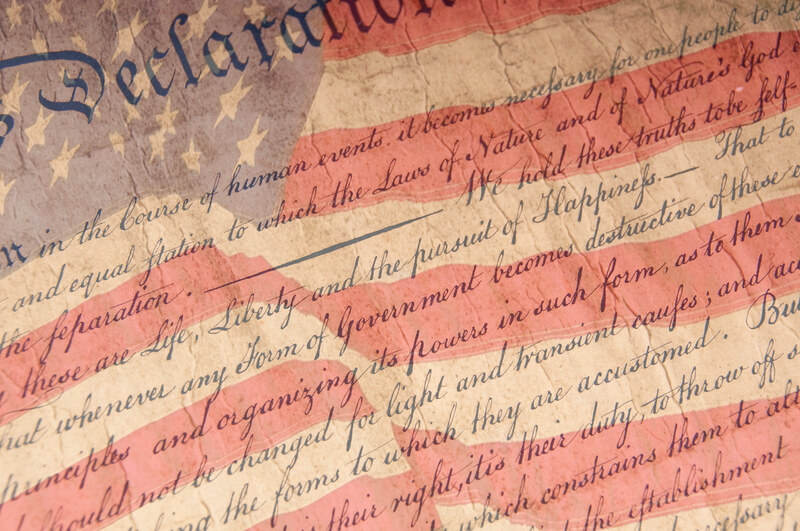
To June 1776!
We think of July 4, 1776, as the start of our Nation’s independence, which it certainly was – our “Declaration...
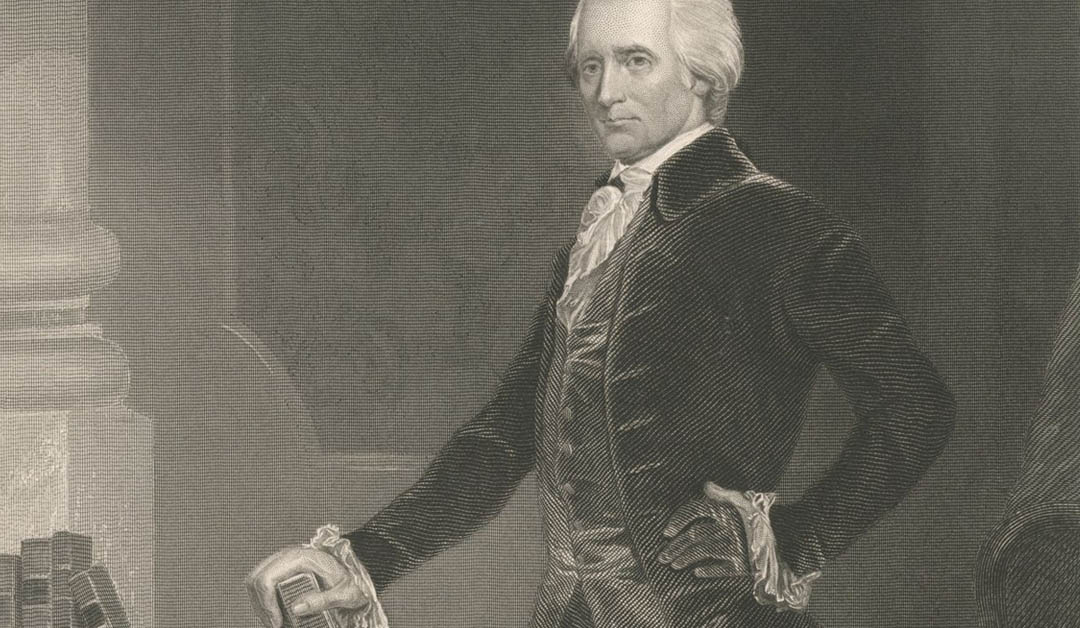
The Forgotten Founder Who Forced America’s Leap of Faith
In the lead-up to Independence Day on July 4 each year, many scholars like to point out that we “should”...

Presidential Candidate Robert F. Kennedy Assassinated in Los Angeles – This Day in History
On June 5, 1968, Senator Robert F. Kennedy was shot at the Ambassador Hotel in Los Angeles, just moments after...
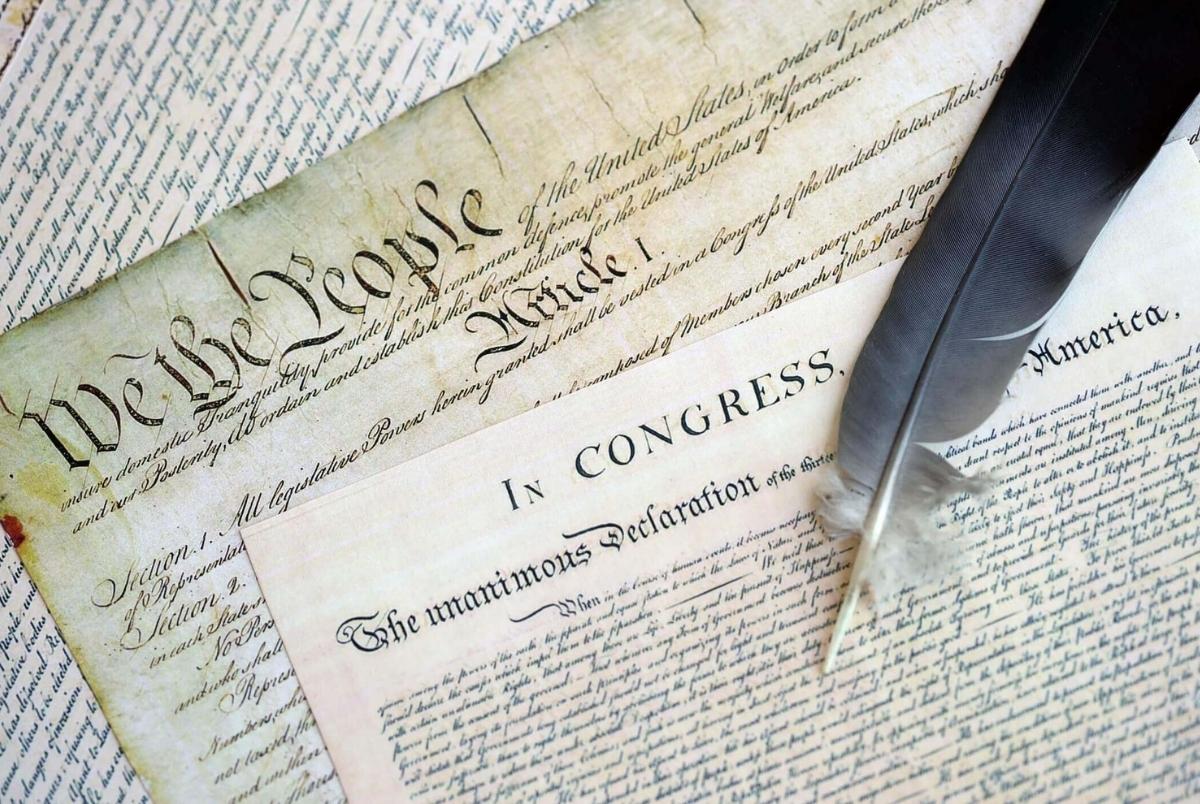
The Patriot General George Washington Knew Would Come Through
The month of May is Jewish American Heritage Month. Since 2006, U.S. Presidents have issued proclamations in recognition of the...
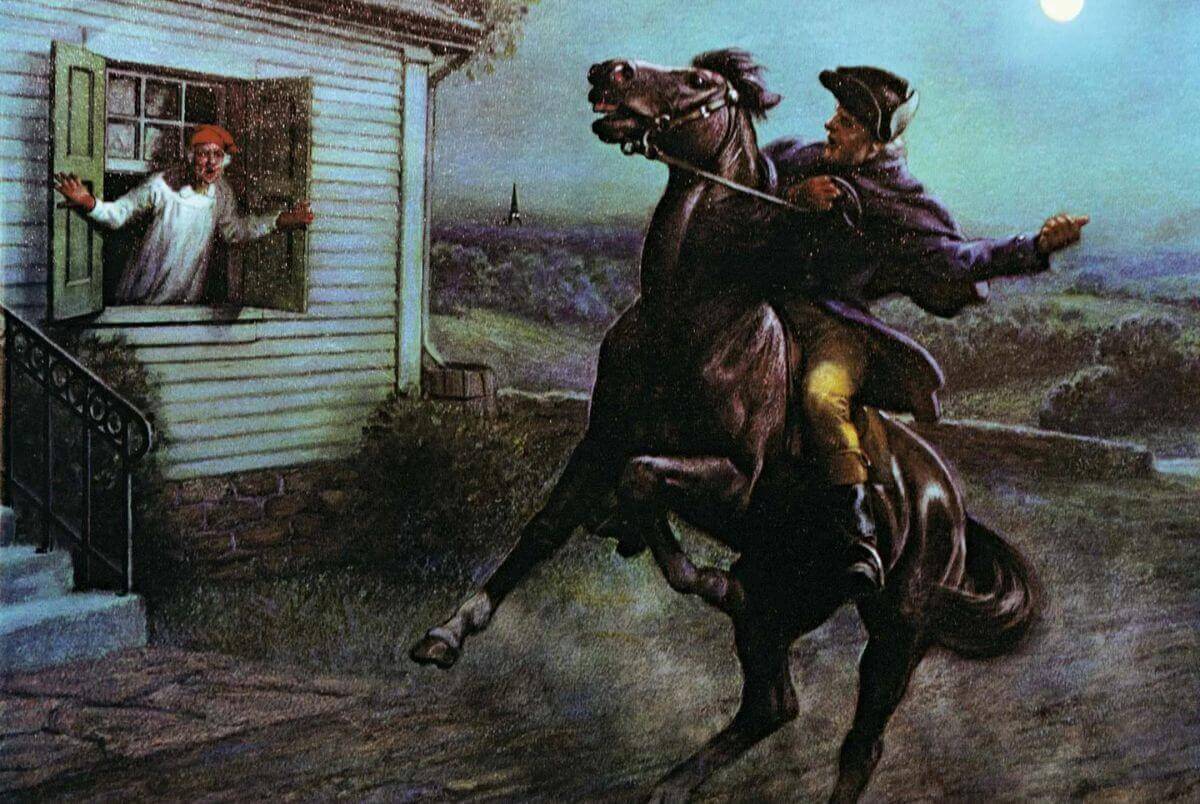
Paul Revere’s Ride
As we celebrate our 250th anniversary, culminating on July 4, 2026, historical dates begin to spike special interest, many in...
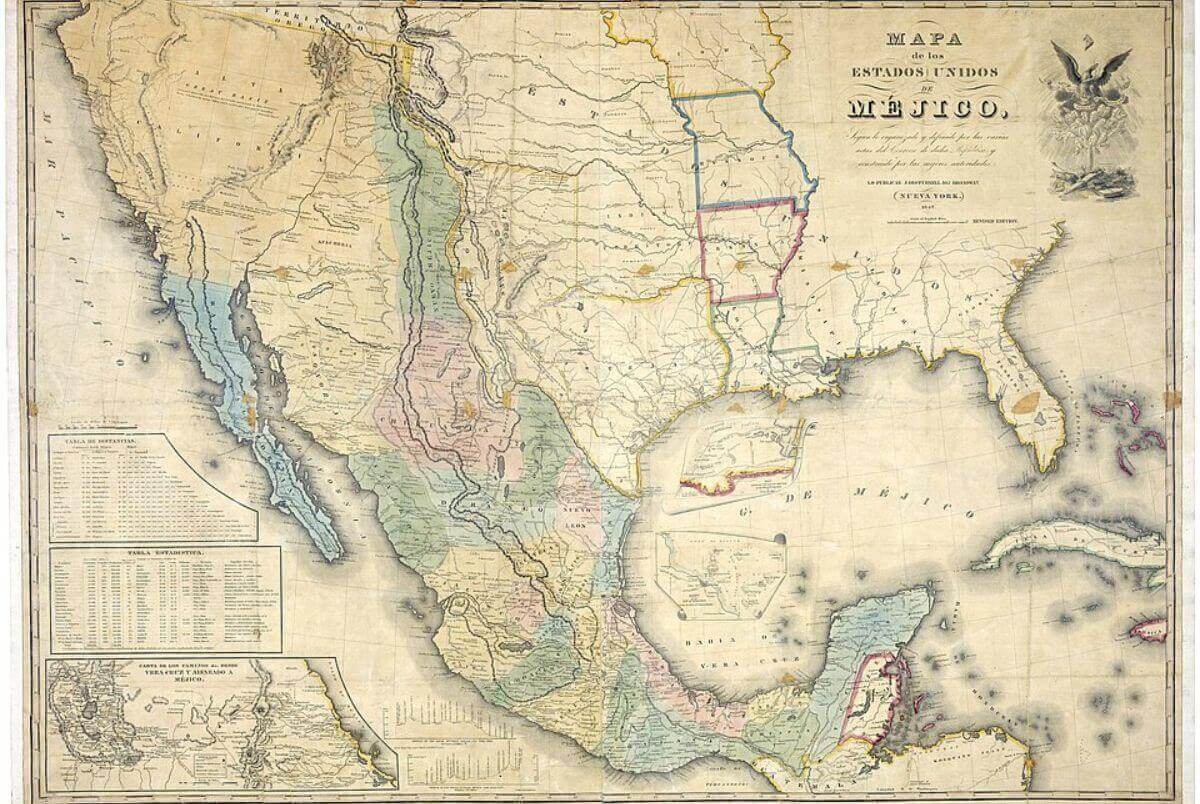
Treaty of Guadalupe Hidalgo is Signed – This Day in History
On February 2, 1848, one of the most consequential treaties in North American history was signed: the Treaty of Guadalupe...

The 24th Amendment Was Ratified – This Day in History
On January 23, 1964, the United States reached a long-overdue milestone in the fight for voting rights: the Twenty-Fourth Amendment...
ECHOES OF EXCEPTIONALISM: The Dawn of American Exceptionalism – A New Year’s Call to Virtue and Freedom
As we stand on the threshold of America’s 250th anniversary, winter’s quiet resolve invites us to pause and reclaim the...

Texas Officially Becomes the 28th State – This Day in History
On December 29, 1845, a landmark moment in American history unfolded as the Republic of Texas was formally admitted into...

President Bill Clinton Was Impeached – This Day in History
On December 19, 1998, the United States House of Representatives voted to impeach President Bill Clinton, making him only the...

Women Gained the Right to Vote in Wyoming – This Day in History
On December 10, 1869, a milestone quietly became a landmark in U.S. history: the Wyoming Territory — not yet a...

The Infamy Speech
On this day, December 8, 1941, 84 years ago, President Franklin Delano Roosevelt (FDR) went to the U.S. Capitol and...

Illinois is Admitted to the Union as the 21st State – This Day in History
On December 3, 1818, the territory of Illinois was officially admitted to the United States as the 21st state —...
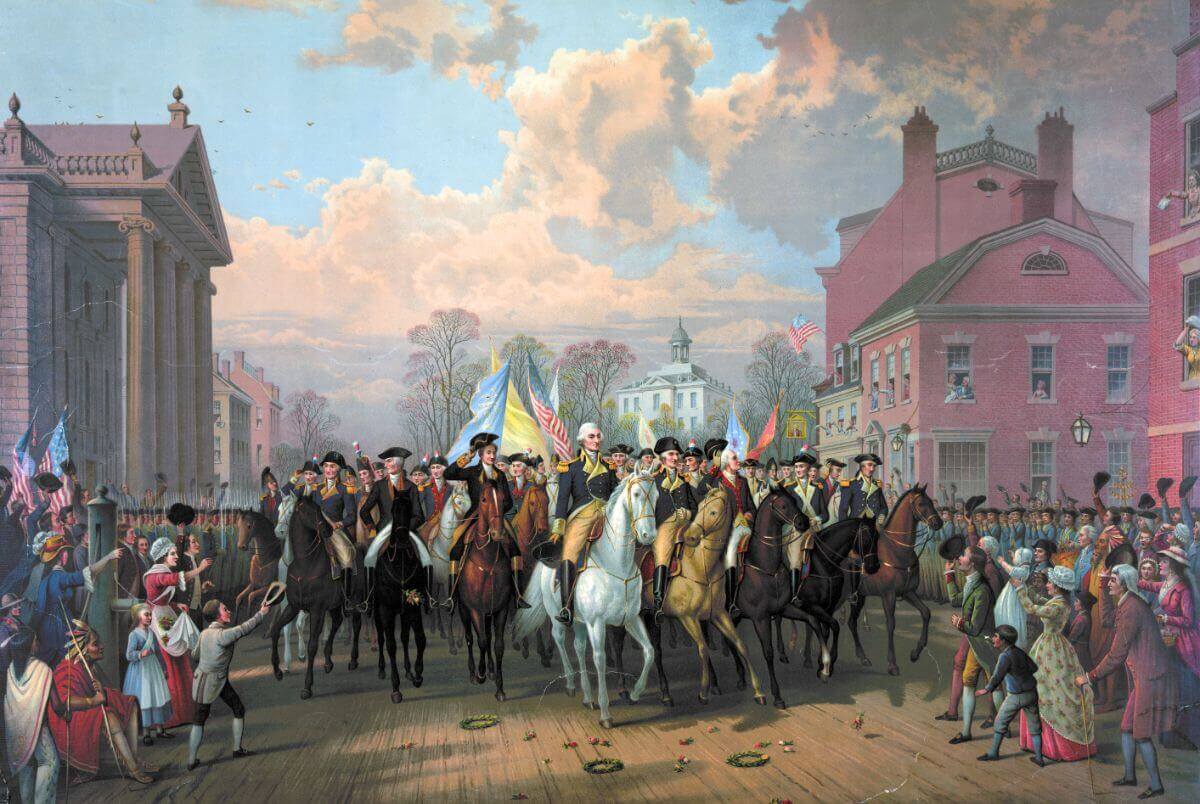
British Forces Evacuate New York City – This Day in History
On November 25, 1783, the final chapter of the American Revolutionary War came into full view when the last British...

President Abraham Lincoln Delivers Gettysburg Address – This Day in History
On November 19, 1863, Abraham Lincoln stood at the dedication ceremony for the Soldiers’ National Cemetery in Gettysburg, Pennsylvania —...

North American Railroads Adopt Standard Time Zones – This Day in History
On November 18, 1883, a quiet yet profound transformation swept across North American society: at exactly noon, the railroads of...

Ellis Island Closes – This Day in History
On November 12, 1954, Ellis Island officially closed its doors as the primary federal immigration station of the United States...

Ronald Reagan is Elected the 40th President – This Day in History
On November 4, 1980, the presidential election marked a seismic shift in American politics as Ronald Regan was elected the...

The U.S. Senate Approved the Louisiana Purchase Treaty – This Day in History
On October 20, 1803, the United States Senate approved for ratification a treaty with France under which the United States...
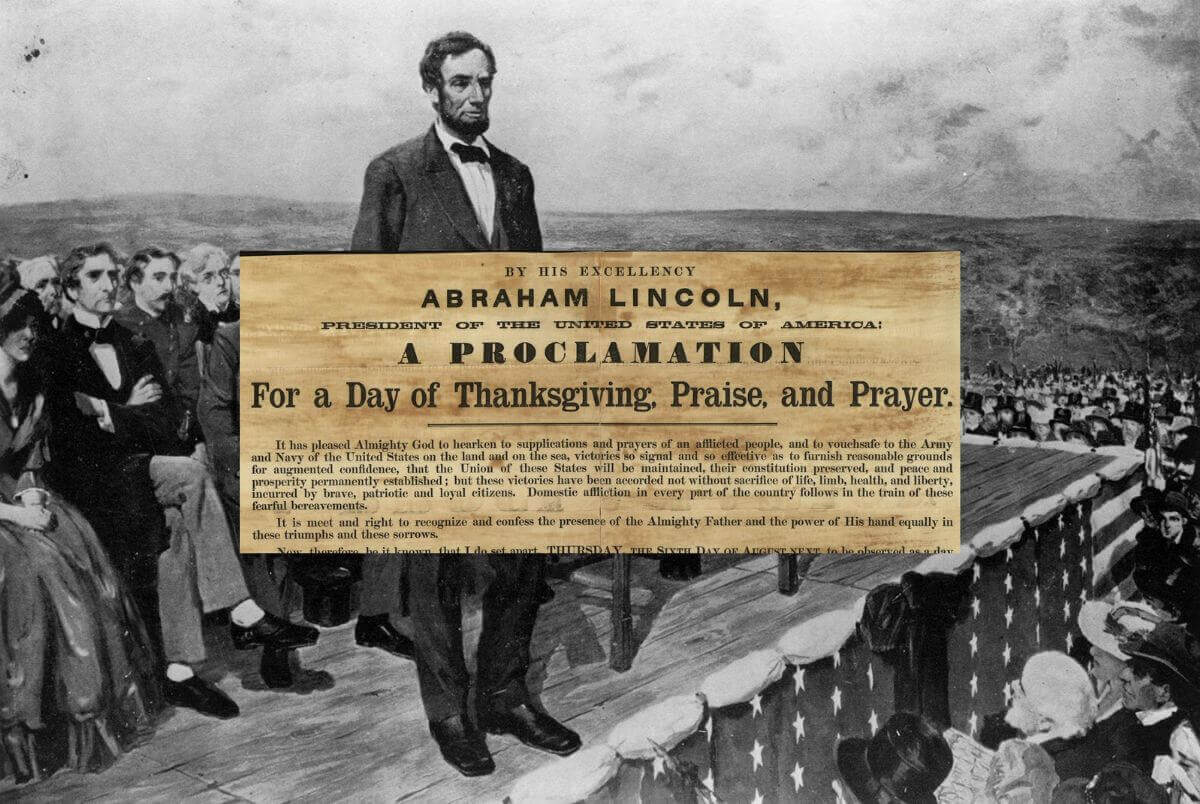
Last Thursday of November Named as Thanksgiving Day – This Day in History
On October 3, 1863, President Abraham Lincoln issued a proclamation that would help define an enduring national tradition: he designated...

The Preliminary Emancipation Proclamation – This Day in History
On September 22, 1862, President Abraham Lincoln issued the Preliminary Emancipation Proclamation, a landmark proclamation that set the stage for...
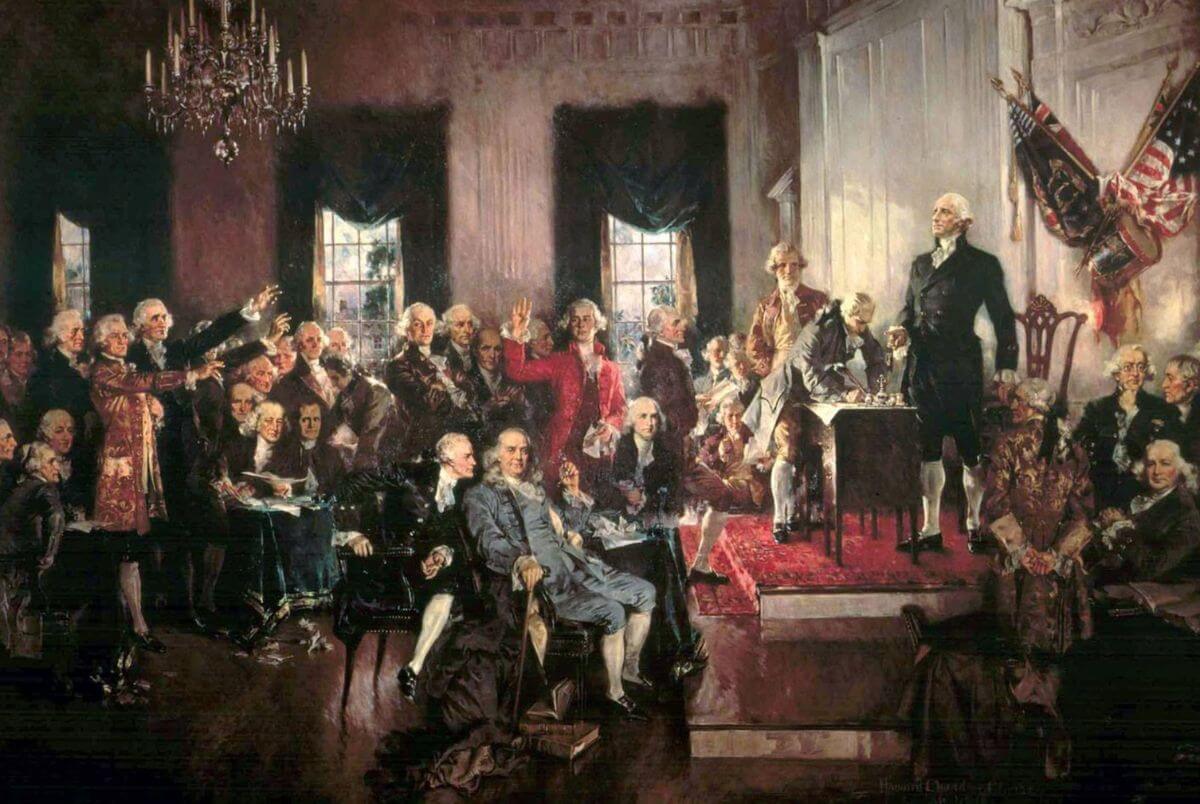
Congress Renames the Nation – This Day in History
On September 9, 1776, the Second Continental Congress formally changed the name of the fledgling nation from the “United Colonies”...

The U.S. Treasury Was Established – This Day in History
On September 2, 1789, during its early session, Congress passed an act establishing the Department of the Treasury as one...

March on Washington – This Day in History
On August 28, 1963, more than a quarter‑million people—estimates range from 200,000 to 300,000, with 250,000 often cited—gathered at the...

19th Amendment Ratification – This Day in History
On August 26th, 1920, Secretary of State Bainbridge Colby certified the 19th Amendment, marking the official completion of the ratification...

Hawaii Becomes The 50th State – This Day In History
On August 21, 1959, Hawaii officially entered the Union as the 50th U.S. state when President Dwight D. Eisenhower signed...

The A-Bomb 80 Years On: The Weapon That Ended a War and Changed the World
Atomic bombing of Nagasaki on August 9, 1945 Eighty years ago this week, the United States dropped atomic bombs on...






Follow Us


© 2026 AMAC, Inc. / AMAC Senior Resources Network. All Rights Reserved.
The Association of Mature American Citizens (AMAC) is here to protect your interests, and to offer an alternative perspective on how to best solve the problems seniors face today. We need you. America needs you.