



Some years ago, confirmed as Assistant Secretary of State to Colin Powell, I had three charges: Go after drug traffickers and terrorist groups; set up law enforcement training globally, including Iraq, Afghanistan, Colombia, and Kosovo; and find every dollar of waste in a two-billion-dollar operation.
In the first category, we ran down, made major progress against major Colombian, Bolivian, Peruvian, and Mexican cartels, as well as terrorist groups fed by traffickers, restabilizing Colombia, Bolivia, Peru, and downstream countries, while cutting drug flow to the U.S.
In the second category, I worked in Iraq, Afghanistan, and Jordan in tandem with General Petraeus – the general trained the Iraqi and Afghan armies, while I trained the police – both effectively.
In the third category, life got instantly interesting. I had a ten-point plan. It worked to sober up, professionalize, and ultimately downsize the bureaucracy. Having done oversight investigations for five years into waste, fraud, and abuse in the federal government, I moved to force accountability.
First, I summoned the Inspector General’s Office – non-political auditor – to investigate the whole operation, turn over every stone, do extensive interviews, find any waste, fraud, abuse, produce a comprehensive report, complete with criminal referral recommendations. They did.
Second, I summoned the major contractors in, presidents of Fortune 100 companies, demanded they break up and recompete contracts, write checks – up to $100,000 – to the government for perceived errors, and possibly fraudulent invoices. They did.
Third, to stop delays in contracting, lifted some regulations, while also imposing $20,000 per day penalties in existing and future contracts to ensure on-time deliveries. Delays ended.
Fourth, to create stronger esprit de corps, and to cause dishonest bureaucrats to voluntarily leave, I assembled hundreds of bureaucrats – foreign service officers and civil servants – and spoke plainly: If you are with me, will follow the agenda, get things done for efficient operations, you will be promoted if your work warrants it; if you are on your own mission or agenda, leave now, or be fired.
The “Red Sea” parted, and half the group left within weeks, leaving a core group of devoted public servants, who proved effective, determined to help make operations work – some life and death – and they were duly promoted. My word was true, and they knew it, more as time passed.
Fifth, I made clear any bureaucrats caught pursuing their own agenda, undermining mine, the Secretary’s or the President’s, creating sweetheart deals for favored contractors, planning to jump to a contractor they worked with, deliberately reporting inaccurate or false data, covering up past bad acts, failing to provide required reports to Congress, would be fired. Some were.
Sixth, I brought in outside experts to offer concrete, real-time, experienced insight into specific operations, including CIA, DEA, CBP, and others, forcing the process to become more efficient.
Seventh, I promoted on merit, and removed formerly cozy foreign service officers from senior positions, putting in a CPA as my principal deputy, rewarded for outcomes.
Eighth, I met every one of the hundreds in the building who worked for me, and gradually around the world, making clear that I understood what they were doing, and letting them know I cared.
Ninth, as we ran the 250-airframe airwing, largest on the civilian side and armed, I worked to get operational readiness rates from shoddy to 85 percent, an exemplary rate for older airframes, Hueys, Blackhawks, OV-10s, C-130s, 802s, and the like. That became the standard.
Tenth, I empowered all those below me to do the same thing, and to, in turn, empower those below them, until thousands of full-time employees and contractors were working from strategic plans, against performance measurement objectives, down to the last detail, every dollar accounted for.
When we saved money by finding waste, fraud, slush funds in one case, abuse, and inefficiencies, we returned that money to the U.S. government. In effect, we were laying track and rolling forward.
In the end, we ended the run of major drug and terror groups, with the help of host nation leaders, the Colombian President, in turn earning the Nobel Peace Prize. We trained tens of thousands of police in countries all over the world, stabilizing democracies large and small. And we saved money by ending the waste, fraud, and abuse that had – for decades been unchecked.
So, what is the point? Many states – especially blue states, and in particular Maine – need exactly this same treatment, deep cuts, restored efficiencies, an end to drug traffickers, law breakers, and a broader restoration of trust in government. That will be the job of Maine’s next governor.
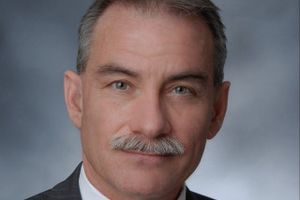
About the author
Robert B. Charles
National Spokesman, AMAC
@Bobby4MaineAll articles by Robert B. Charles →
Expertise
- • U.S. foreign policy and national security
- • Counter-narcotics and international law enforcement
- • American politics and government
- • Leadership, character, and American history
Credentials
- • Former U.S. Assistant Secretary of State, Bureau of International Narcotics and Law Enforcement Affairs (October 2003 - March 2005)
- • Reagan White House staffer (1981-1983)
- • Deputy Associate Director, Office of Domestic Policy, George H.W. Bush White House (1992-1993)
- • Staff Director and Chief Counsel, U.S. House Subcommittee on National Security, International Affairs, and Criminal Justice (1995-1999)


18 Comments