
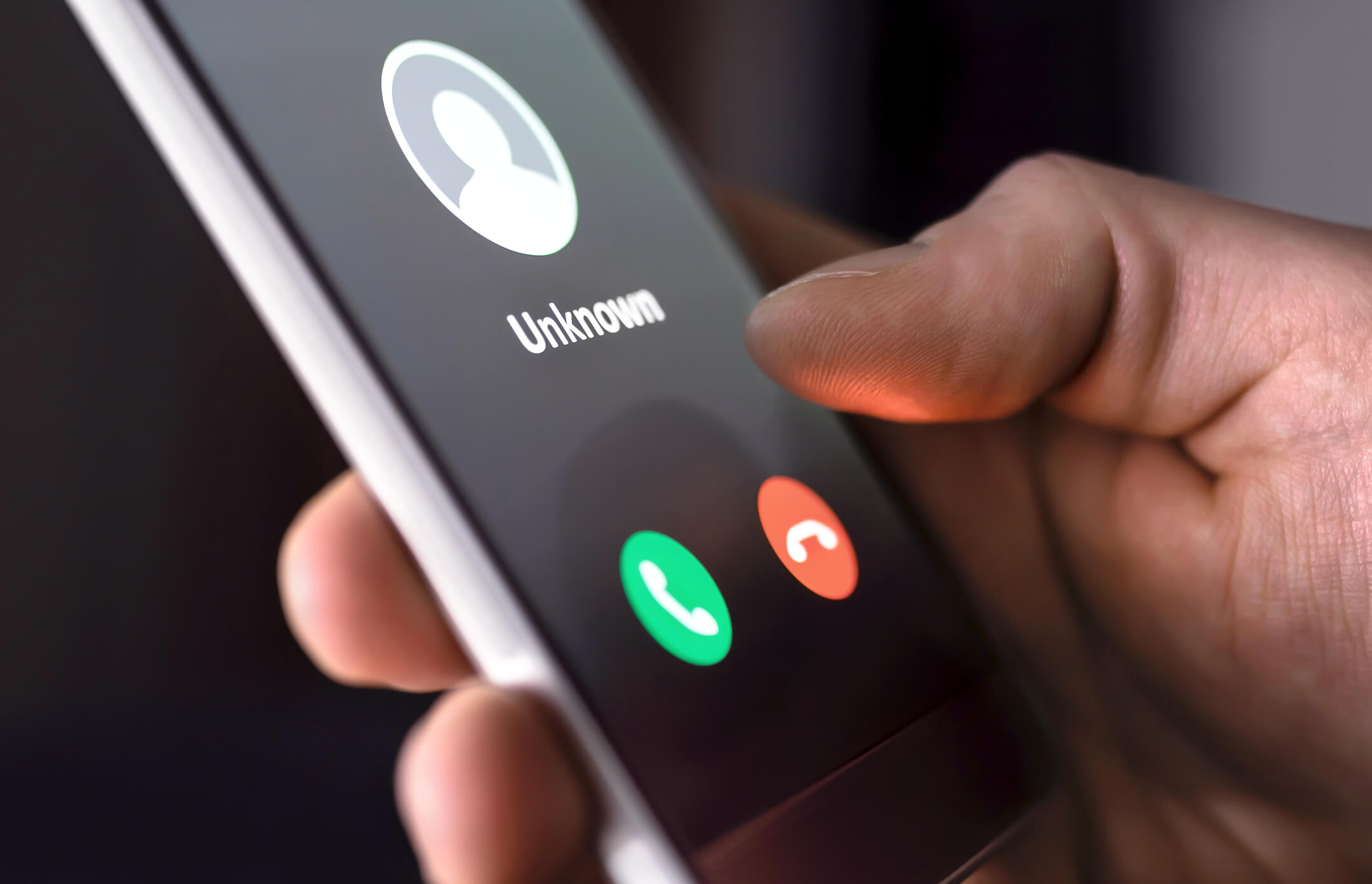

The Social Security Administration (SSA) is leading a nationwide effort to protect Americans from fraud through a National “Slam the Scam” Day. On March 5, federal, state, and local government agencies, along with nonprofit and private-sector partners, will again join forces to raise awareness about government imposter scams and equip citizens with the tools to fight back. AMAC is proud to participate in this important initiative.
National Slam the Scam Day is part of National Consumer Protection Week, hosted by the Federal Trade Commission from March 1–7, 2026.
The campaign focuses specifically on government imposter scams — schemes in which criminals pretend to be from Social Security or another trusted agency in order to steal money or sensitive personal information.
The scope of the problem is staggering. According to federal data, Americans lost more than $12.5 billion to scams in 2024 — a 25 percent increase over the previous year. Nearly $3 billion of those losses stemmed from imposter scams alone.
Scammers often claim there is a problem with a victim’s Social Security number or benefits, threaten arrest, or promise a benefit increase. They frequently demand immediate payment through hard-to-trace methods such as gift cards, cryptocurrency, wire transfers, prepaid debit cards, or even gold bars.
For AMAC members — many of whom rely on Social Security benefits — these scams pose a direct threat to retirement security and financial independence. Criminals deliberately target seniors, counting on fear and confusion to pressure victims into acting quickly. That is why education and vigilance are essential.
The SSA emphasizes a simple but powerful message: government employees will never threaten you, demand immediate payment, or require payment via gift cards or cryptocurrency.
If you receive a suspicious call, text, email, or letter referencing Social Security, hang up or ignore it and report it at ssa.gov/scam.
Through social media outreach, member communications, and public education efforts, AMAC is helping amplify the #SlamTheScam message and encouraging Americans to stay skeptical of unsolicited contact. By spreading awareness, sharing official resources, and reminding our community to report suspicious activity, we can help protect vulnerable citizens from financial devastation.
Scammers thrive in silence and confusion. Slam the Scam Day is about replacing both with knowledge, confidence, and action.


8 comments
Seen this one? Tell us how it reached you, so the next family spots it.