
For generations of Americans, summer has been marked by the familiar sights and sounds of a backyard cookout. The smell of charcoal drifting through the neighborhood, children playing lawn games, burgers sizzling on the grill, and families gathered around picnic tables have become defining images of the season.
While barbecue has deep roots stretching back centuries, the modern American cookout—the one many of us know today—didn't fully emerge until the middle of the twentieth century. Following World War II, changing lifestyles, suburban growth, affordable backyard grills, and a booming economy transformed outdoor cooking from an occasional community feast into a beloved family tradition.
Today, cookouts celebrate birthdays, graduations, reunions, neighborhood gatherings, Memorial Day, Independence Day, Labor Day, and countless ordinary weekends that become unforgettable because of good food and good company.
The American cookout isn't just about what's on the grill—it's about creating memories.
A New American Backyard
Following World War II, millions of returning service members purchased homes in newly built suburban neighborhoods.
For many families, these homes included something previous generations often lacked: A private backyard.
These outdoor spaces quickly became extensions of the home.
Families planted gardens, built patios, added picnic tables, and gathered outdoors throughout the warmer months.
At the same time, Americans enjoyed more leisure time, increased automobile ownership, and growing prosperity. Weekend entertaining became easier than ever.
Outdoor cooking fit perfectly into this new lifestyle.
The Grill That Changed Everything
Although outdoor cooking had existed for centuries, grilling became dramatically more accessible during the 1950s.
One invention in particular helped shape modern backyard cooking:
The Kettle Grill
In 1952, George Stephen, a welder working in Chicago, designed a round charcoal grill with a domed lid after becoming frustrated with traditional open metal braziers.
The covered design solved several common problems:
- Better heat control
- Less wind interference
- More even cooking
- Improved smoke circulation
- Safer cooking
The kettle grill quickly became a symbol of suburban America and remains one of the most recognizable grills ever produced.
Its design influenced countless grills that followed.
Holidays That Built Cookout Culture
By the 1960s and 1970s, certain holidays became closely associated with outdoor cooking.
Memorial Day
Often considered the unofficial start of summer, Memorial Day became a favorite weekend for firing up the grill after months of colder weather.
Independence Day
The Fourth of July combines fireworks, community celebrations, and backyard barbecues into one of America's biggest cookout holidays.
Labor Day
As summer winds down, Labor Day provides one final opportunity to gather outdoors before autumn arrives.
These celebrations helped establish traditions passed from one generation to the next.
More Than Just Burgers
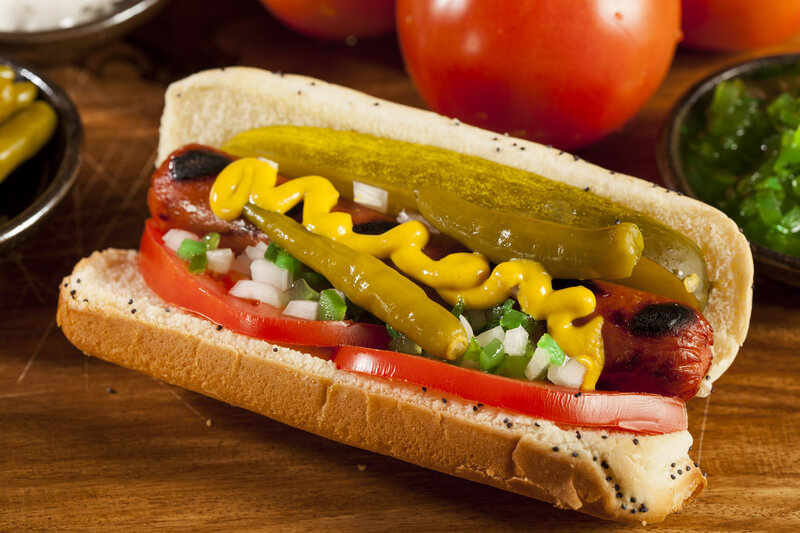
Although hamburgers and hot dogs became backyard staples because they were affordable and easy to prepare, American cookouts quickly expanded to include a variety of regional favorites.
Depending on where you lived, your cookout might feature:
- Barbecue ribs
- Pulled pork
- Grilled chicken
- Italian sausage
- Bratwurst
- Smoked brisket
- Fresh seafood
- Corn on the cob
- Homemade salads
- Seasonal fruit
Every family developed its own traditions, recipes, and favorite side dishes.
The Rise of Neighborhood Cookouts
Throughout the second half of the twentieth century, neighborhoods often gathered for block parties, church picnics, company outings, and community celebrations.
Neighbors who might rarely visit one another during the workweek came together around picnic tables filled with homemade dishes.
These events celebrated more than food.
They built friendships.
Children played together.
Recipes were exchanged.
Stories were shared.
Many lifelong friendships began at backyard cookouts.



1 comment
Made it? Tell us how it went — or share your family’s version.