The British officers spoke freely that night, confident in the walls around them and the silence of the Quaker woman who poured their drinks. Lydia Darragh moved quietly through her own home, now commandeered as a meeting place for the occupying army. She kept her eyes lowered, her hands steady, her face calm.
She listened – and what she heard could destroy the American Revolution.
Darragh was a Quaker. A mother. A midwife. A woman whose faith forbade violence and whose society expected silence. The officers had ordered the household to bed and closed the parlor door. She was supposed to sleep. Instead, she stood in the cold hallway and heard every word.
The officers were discussing a surprise attack – a sudden, crushing blow against George Washington’s army. It was the night of December 2, 1777. Philadelphia belonged to the British, and that included the Darragh home at 177 South Second Street. General Howe’s headquarters stood across the street from Darragh’s home, in the Cadwalader home, also commandeered by the British.
The Continental Army, ragged and half-starved after the defeats at Brandywine and Germantown, lay 16 miles north at Whitemarsh. The officers in Darragh’s parlor were finalizing a night march that would fall upon those men before dawn two days later. Surprise was the entire plan. If it succeeded, Washington’s army might not survive the winter.
Lydia returned to her room and sat in the dark. She was 48 years old. Her husband was a quiet schoolmaster. One of her sons already served in the Continental ranks. The rest of the family lived under occupation, careful, watched, dependent on British goodwill for the roof over their heads. She had every reason to stay silent. Quaker discipline demanded it. Ordinary caution demanded it. The law of an occupying army demanded it.
She chose otherwise.
The next morning, she requested a pass from the British to leave the city. She needed flour, she said, from the mill at Frankford. The request was routine enough to be granted. She walked out past the checkpoints carrying a heavy sack, the December cold sharp against her face. Six miles or more of open road lay between her and the American lines. Any challenge, any search that revealed more than flour, and she would face severe, possibly fatal consequences.
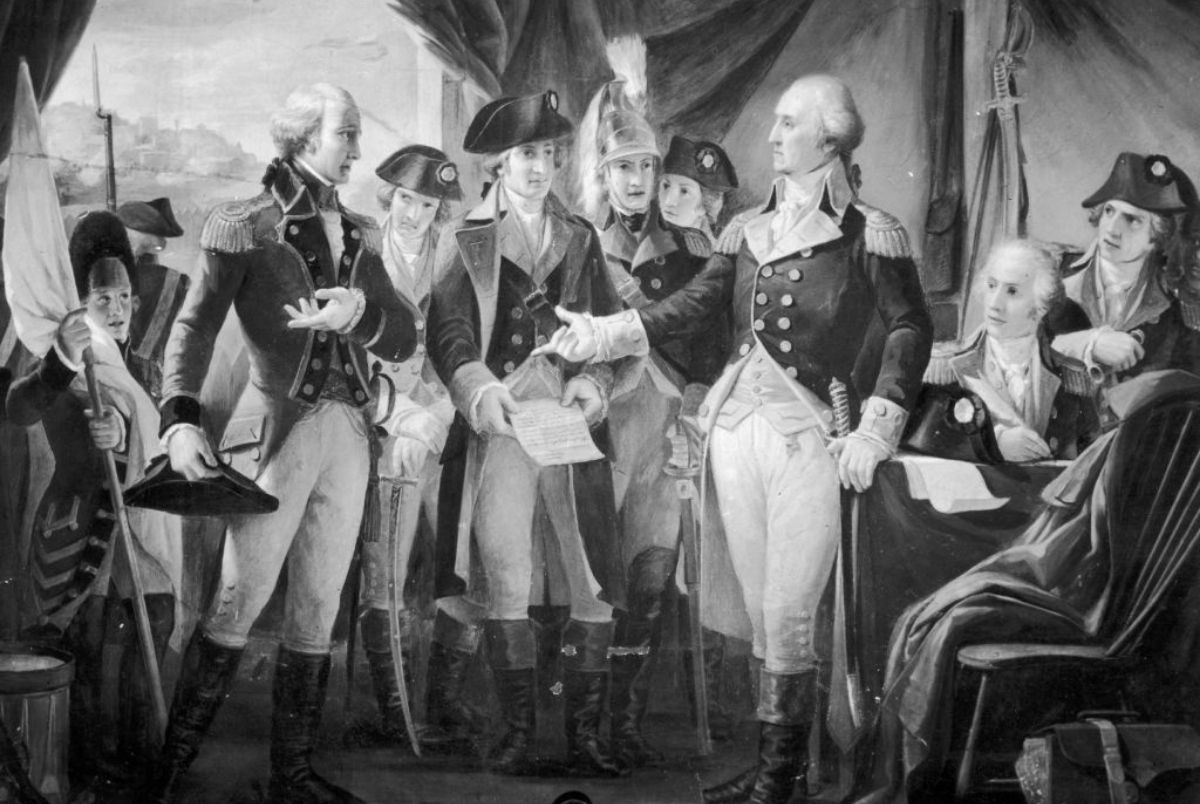
She reached the Rising Sun Tavern and found a way to deliver the warning. Accounts differ on the exact method – some say she spoke directly to an American officer, others that she passed a note hidden in a needle book – but the message reached Colonel Elias Boudinot and then Washington. Earthworks were hastily ordered, and by the time Howe’s columns arrived on the night of December 4, they found the Continental Army awake, entrenched, and prepared.
The British probed the American lines for three days. There was skirmishing, but no surprise and no collapse of the American forces. Howe, seeing the cost of a full assault against prepared positions, turned his army around, and marched back to Philadelphia. The trap had failed.
Lydia returned home and said nothing. When British officers later questioned her, she insisted the family had been asleep. The matter was dropped. She never sought recognition. The Society of Friends eventually disowned her and her husband for their part in the war. She raised her children, kept a small store after her husband’s death, and died in 1789, still largely unknown outside the quiet circle that had once depended on her courage.
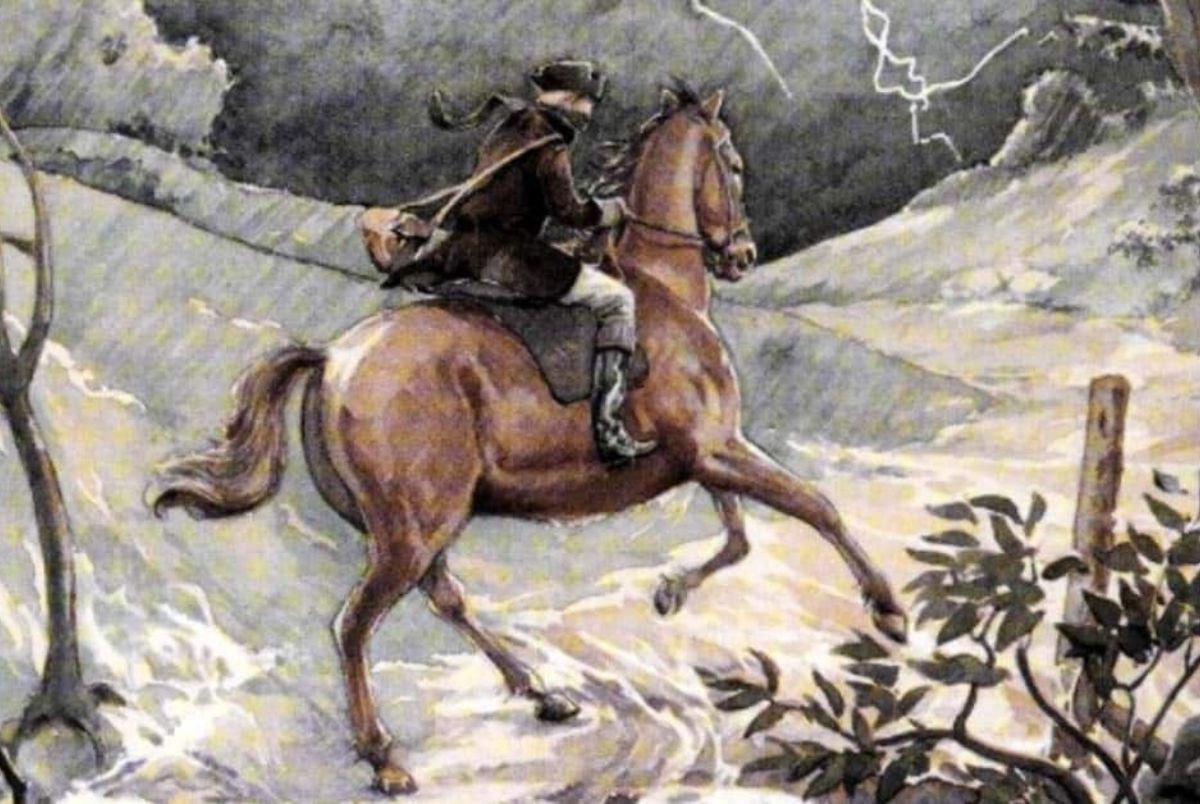
Her story does not thunder across the landscape like the midnight rides of Paul Revere or Caesar Rodney. There is no dramatic arrival in boots and spurs, no public vote that changed the course of history. There is only a woman standing in a dark hallway, listening, deciding, and then walking alone through the cold with a sack of flour and a message that could not wait.
This is the quieter strain of American Exceptionalism. It is not always found in the men who ride through storms or charge into fire. It is also found in the ordinary citizen who, when the hour comes, refuses the safety of silence. Lydia Darragh had no rank, no command, no expectation of glory. She had only the knowledge of what was about to happen and the conviction that she could not let it happen unopposed.
The Republic has been preserved again and again by people who understood that duty sometimes arrives in the middle of the night uninvited and asks only that someone be willing to walk.
Lydia Darragh answered with her feet in the December dark. The army she helped save went on to Valley Forge and then to Yorktown, winning independence for the new nation. Quiet courage can change the course of history as surely as any bold midnight ride.
Phill Kline is a former state legislator and the former Attorney General of Kansas. He is currently a law professor.