
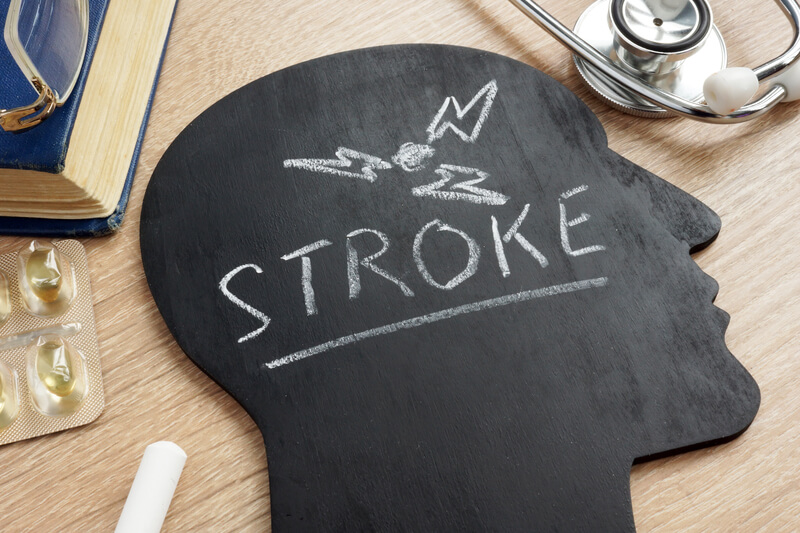
Information about strokes, warning signs, and quick action
What Is a stroke?
Per Cleveland Clinic, a stroke is a medical emergency that occurs when the brain does not receive enough blood flow. This can result from a blocked blood vessel or bleeding within the brain. Strokes are sometimes called cerebrovascular accidents (CVAs) or brain attacks. When blood supply to the brain is interrupted or reduced, it can deprive brain tissue of oxygen and nutrients.
Experts say when it comes to stroke – BE FAST and call 911
Two Main Types of Strokes
There are two main types of strokes:
- Ischemic strokes: Usually result from a blood clot or fatty plaque blocking a blood vessel connected to the brain. (About 87% of strokes are ischemic)
- Hemorrhagic strokes: Occur when a blood vessel in the brain breaks or tears (ruptures). (About 13% of strokes are hemorrhagic)
These two types have different causes.
Possible Causes of Ischemic Strokes
- Hardened arteries (Atherosclerosis)
- Atrial fibrillation
- Clotting disorders
- Heart defects
- Microvascular ischemic disease
Possible Causes of Hemorrhagic Strokes
- Brain aneurysms
- Brain tumors
- High blood pressure (especially if high and untreated over long periods)
- Moyamoya disease or other conditions that weaken blood vessels in the brain
Mini Stroke (Transient Ischemic Attack or TIA)
A transient ischemic attack (TIA) is like a stroke, but its effects are temporary. Even so, a TIA is serious because it often serves as a warning sign that a person is at very high risk of experiencing a true stroke soon. Anyone who has a TIA needs emergency medical attention as quickly as possible. About 1 in 3 people who have a TIA will go on to have a stroke.
Importance of Stroke Awareness
Stroke is the second leading cause of death globally (among non-communicable disorders) and is a leading cause of death for Americans as well as a leading cause of serious long-term disability. Strokes can be life-threatening or fatal, so symptoms should be taken seriously. Prompt action is critical. Experts stress the importance of calling 911 or local emergency services right away if a stroke is suspected, as early diagnosis and treatment increase the chances of survival. Every second counts.
Recognizing a Stroke: BE FAST
Strokes can present with a variety of symptoms. To help the public recognize the most significant warning signs, the acronym BE FAST is used:
- B = Balance: Sudden trouble standing or walking may indicate a stroke.
- E = Eyes: Double vision, blurry vision, or sudden loss of vision are warning signs.
- F = Face: Ask the person to smile. A droop on one or both sides of the face may signal a stroke.
- A = Arm: Ask the person to raise both arms. If one arm drifts downward, this could be abnormal.
- S = Speech: Slurred speech or difficulty choosing words are common symptoms.
- T = Time CALL 9-1-1 Immediately: Note the time symptoms started so medical personnel know when the stroke began.
Other Stroke Symptoms
There are many different symptoms of stroke. Other possible stroke symptoms (which may be sudden) can include a severe headache, stiff neck, aphasia (difficulty or loss of speech), confusion or agitation, coma, dizziness or vertigo, loss of muscle control on one side of the face, nausea and vomiting, fainting, loss of senses, and paralysis on one side of the face or body. If you or someone you know experiences any of these symptoms, get help fast.
Who Is at Risk of Stroke?
While strokes can occur in children, they are rare. However – it can happen to anyone. Here are some groups identified as being at higher risk for stroke:
- Adults age 55 or older
- People who smoke or use other forms of tobacco or nicotine, including vaping
- People who use recreational or nonprescription drugs
- Individuals with alcohol use disorders
- Those affected by COVID-19
- People who experience frequent migraine headaches (with aura)
- Individuals with high blood pressure
- Those with high cholesterol
- People with diabetes
- People with heart disorders
- Previous stroke or TIA
- People with obesity/poor diets
- People with certain blood disorders
- Genetics and family history
- Sex (stroke is more common in females)
- Race or ethnicity (with non-Hispanic Black or Pacific Islanders at high risk)
Certain health conditions can, therefore, increase a person’s likelihood of having a stroke. Consult your doctor to discuss and help minimize your stroke risk.
What Happens If You or Someone You know Has a Stroke?
Don’t waste time. Quick action is necessary.
Immediate Actions and Diagnosis After a Stroke
If you suspect that you or someone else is having a stroke, do not hesitate to seek medical assistance right away. Getting medical attention quickly is crucial.
Once a patient is transported to the hospital, emergency room staff quickly begin the diagnostic process. Physicians use a combination of methods to determine if a stroke has occurred. This often starts with a physical/neurological examination to check for stroke signs/symptoms. Additional tests like CT scan or MRI may be ordered, as well as some of the others listed:
- Blood tests (to rule out mimics/infections, to check how fast blood clots, to look at blood sugar & more)
- Carotid ultrasound (uses sound waves to create detailed images of the inside of the carotid arteries in the neck)
- Cerebral angiogram (less common test but provides a detailed view of arteries in the brain and neck)
- CT scan (computerized tomography scan – a computerized series of X-rays to check the brain for bleeding or blockages)
- EEG (electroencephalogram – measures electrical activity in the brain and helps to diagnose acute stroke)
- ECG/EKG (electrocardiogram – checks for issues related to the heart that can cause stroke)
- Echocardiogram (also abbreviated echo – is a multi-dimensional ultrasound of the heart that can be used to investigate stroke)
- MRI (magnetic resonance imaging – uses radio waves and magnetic field to create detailed brain images to detect damage from stroke)
Doctors use these types of tests to look for signs of a stroke, assess the extent of damage to the brain, identify the affected brain areas, and determine the type of stroke that has occurred. However, the primary objective during this time is to restore normal blood flow to the brain as quickly as possible. In some cases, surgery and/or medications may be promptly administered to improve chances for recovery. Acting fast helps minimize the risk of permanent brain damage.
Stroke Treatment
Management and treatment of strokes vary depending upon the type of stroke and can include medication and/or surgery. Patients who have experienced stroke may require healing time to adjust to changes in the brain and body. Stroke rehabilitation can include physical or occupational therapy, cognitive rehab, speech therapy, and more.
Stroke Survival Rate
Strokes are life-threatening emergencies. Cleveland Clinic says it’s difficult for experts to estimate a stroke survival rate that applies to everyone. “Strokes can be fatal, and they can cause permanent disabilities. But there’s no one set recovery timeline or outlook that’s accurate for everyone.” They describe that ischemic strokes usually have better outcomes than hemorrhagic strokes, but that doesn’t mean your recovery will be easier, faster or better if you have one type or the other.” To prevent stroke, see your healthcare provider for regular checkups, discuss your risk with your doctor, and call 9-1-1 immediately if you or someone else shows symptoms. Acting fast improves survival and recovery chances.
Disclosure: This article is based on general information and is not medically reviewed. It is for informational purposes only and is not a substitute for medical advice.





I have all these Symptoms every April 15.
Good info.
A good friend of mine died a few months ago of a stroke. Had you known us in ‘The Past’, you would not be surprised. But we had both cleaned up our act and were cheering each other on.
So, break some bad old habits for your families’ sakes.