

On September 21, 1780, one of the most infamous acts of betrayal in American history unfolded when Continental Army General Benedict Arnold met secretly with British Major John André to finalize a plot to surrender the strategically important American fort at West Point, New York, to the British. Once celebrated as a courageous Patriot and talented military commander, Arnold’s actions transformed his name into an enduring synonym for treason.
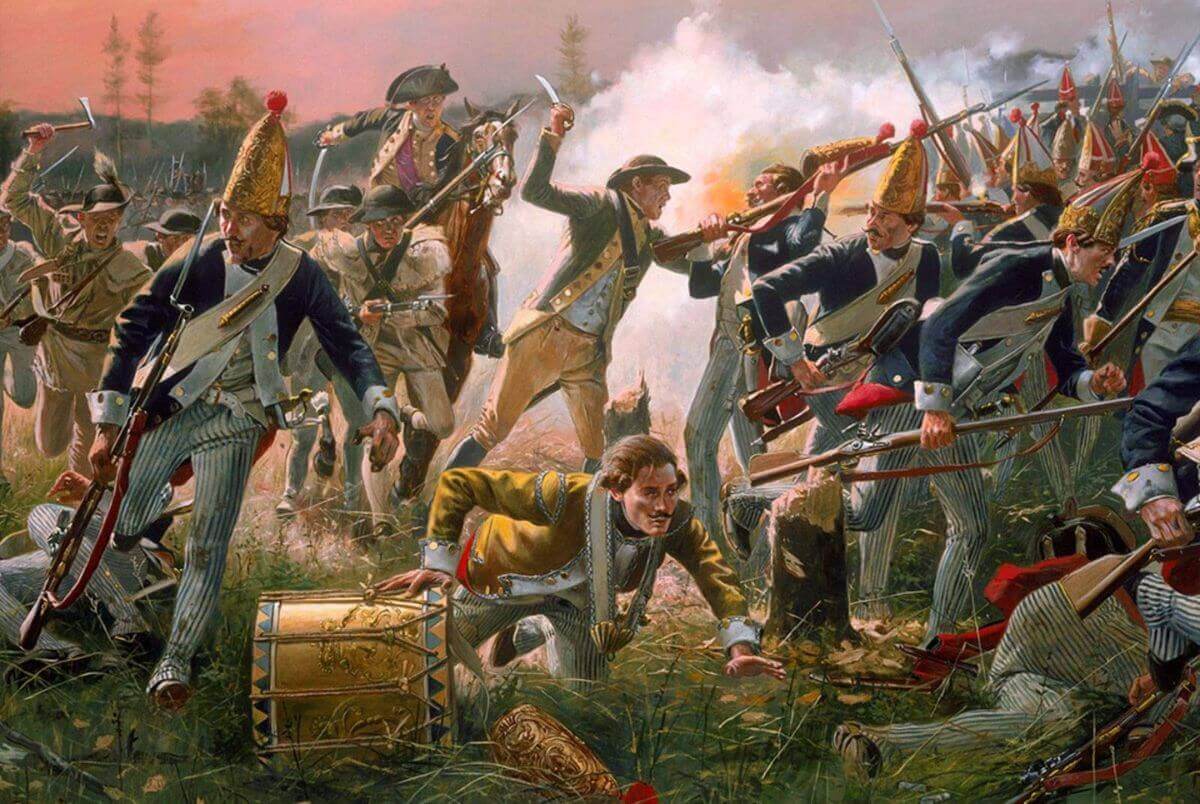
Born in Norwich, Connecticut, in 1741, Arnold became a successful merchant before joining the Patriot cause following the outbreak of the American Revolution in 1775. He quickly established himself as an aggressive and capable commander. Arnold participated in the capture of Fort Ticonderoga, led an ambitious expedition against Quebec, fought at Lake Champlain and Ridgefield, and played a crucial role in the American victory at Saratoga in 1777. His battlefield accomplishments earned him the respect and support of General George Washington.
Yet Arnold increasingly believed that his sacrifices were being overlooked. He was wounded in battle, faced disputes over promotions and recognition, and became resentful after several officers he considered less deserving advanced ahead of him. Financial problems also mounted. While living in Philadelphia with his second wife, Peggy Shippen, Arnold maintained an expensive lifestyle that contributed to significant debt. Historians have pointed to a combination of financial troubles, wounded pride and resentment as factors behind his eventual decision to switch sides.
By 1780, Arnold had secretly opened communications with the British. After receiving command of West Point, a critical American stronghold overlooking the Hudson River, he offered to surrender the fortress and its defenses in exchange for money and a position in the British military. On September 21, Arnold met with British intelligence officer Major John André to discuss the details of the scheme.
The conspiracy soon unraveled. André was captured by American militiamen while carrying documents connected to West Point’s defenses. Once the plot was discovered, Arnold learned that authorities were closing in and escaped to British-controlled territory before he could be arrested. André was subsequently tried as a spy and executed.
Arnold later served as a brigadier general in the British army, even commanding troops against his former countrymen in Virginia and Connecticut. After the Revolution, he eventually settled in England, where he died in London on June 14, 1801.
Benedict Arnold’s story remains one of the American Revolution’s most dramatic reversals. A man who once risked his life repeatedly for American independence ultimately became remembered not for his battlefield heroism, but for betraying the cause he had once fought so fiercely to defend.



1 comment
Do you remember? Share your memory.