

This month, we are diving into the concept of biblical joy, known in Hebrew as simchah. Far more than a fleeting happy feeling when things go well, simchah is a deep, steady fullness, gladness or delight in the character of God. Because it is rooted in God’s character, biblical joy is a gladness and delight that can endure even when circumstances are difficult. Last week, we celebrated Mother’s Day by reflecting on the inherent joy found in the calling of motherhood. As we move into this next week, it feels only right to look at one of the most famous mothers in history: Sarah.
Her story captures a tension we all know too well. As Tom Petty sang, “The waiting is the hardest part.” Whether you’re longing for a career breakthrough, a restored relationship, or a long-awaited answer to prayer, the middle of the story can feel like an endless desert. Yet Sarah’s life reveals a powerful truth: the longer the wait, the sweeter the joy when the waiting is over.
Sarah’s Waiting
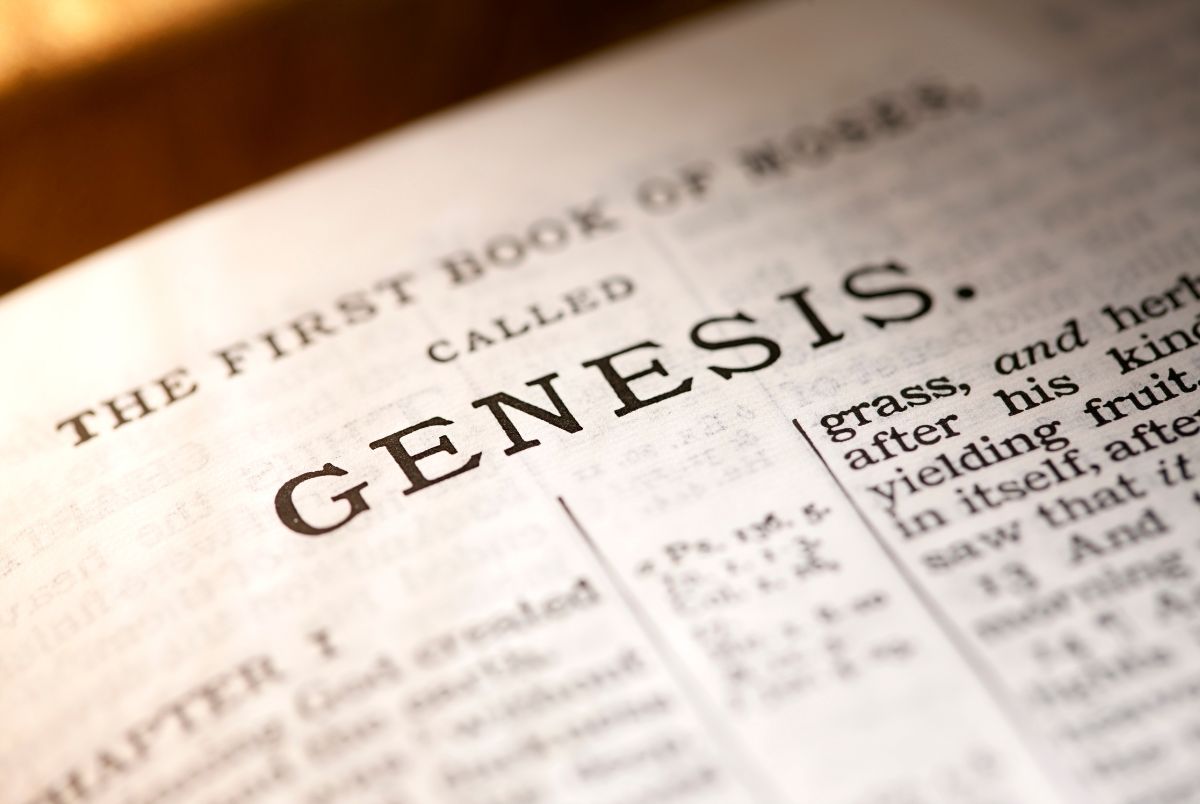
To understand Sarah’s joy, we have to sit with her in her sorrow. When we meet Sarah (then Sarai) in Genesis, she is introduced with a sad state of affairs: “Now Sarai was barren; she had no child” (Genesis 11:30 (opens BibleGateway in a new tab)).
In her culture, infertility wasn’t just a private medical struggle; it was a public mark of shame and a source of deep identity crisis. For decades, Sarah watched other women in her camp raise children. She heard God promise her husband, Abraham, that his descendants would be as numerous as the stars, yet her own womb remained empty.
The wait wasn’t just a few years – it was a lifetime. By the time the promise neared fulfillment, Sarah was ninety years old. Humanly speaking, the window of possibility had slammed shut. She had likely processed her grief, moved into resignation, and accepted that her legacy would be marked by unfulfilled dreams.
Sarah’s Laughter
When God finally sent messengers to tell Abraham that Sarah would have a son within the year, Sarah was listening behind the tent door. Her immediate reaction wasn’t joy; it was a laugh of disbelief. She looked at her aged body and her husband’s old age and, “Sarah laughed to herself, saying, ‘After I am worn out, and my lord is old, shall I have pleasure?’” (Genesis 18:12 (opens BibleGateway in a new tab)).
We often criticize Sarah for her doubt, but let’s be honest, her laughter is incredibly relatable. Sometimes, when we have been disappointed for so long, we use cynicism as a shield to protect our hearts from hoping again. But God’s response to her was a gentle challenge: “Is anything too hard for the Lord?” (Genesis 18:14 (opens BibleGateway in a new tab)).
God took Sarah’s laugh of skepticism and, nine months later, transformed it into a laugh of pure, unadulterated joy.
God’s Promise Fulfilled
When the baby was finally born, Sarah named him Isaac, which literally means “he laughs.”
Imagine the scene: a ninety-year-old woman holding a newborn. The years of bitterness, the decades of feeling forgotten, and the tears shed in the quiet of her tent were suddenly eclipsed by the weight of a child in her arms. Sarah proclaimed, “God has made laughter for me; everyone who hears will laugh over me” (Genesis 21:6 (opens BibleGateway in a new tab)). She is not saying people will make fun of her. She is suggesting that others will be so amazed that it will cause people to join her in rejoicing and amazed delight.
This is the biblical definition of joy. It wasn’t just that she got what she wanted; it was that she witnessed God do the impossible. The joy was heightened by the very length of the wait. If Isaac had been born when she was twenty, she would have been happy. But because he was born when she was ninety, she was bursting with joy. The “hardest part” made the “best part” feel like a miracle.
The Lesson for Us: Unexpected Joy
Sarah’s story offers us a beautiful application: Joy is often found in God fulfilling His promises in unexpected ways and unpredictable timing.
We usually have a timeline for our lives. We expect the marriage by twenty-five, the promotion by thirty, or the healing by next month. When God doesn’t meet our schedule, we assume He has forgotten us. But Sarah’s life teaches us that God isn’t ignoring our pain, He is writing a powerful story.
If you are in a season of waiting right now, remember that the silence of God is not the absence of God. He is often working “behind the tent door,” orchestrating a fulfillment that is far greater than anything you could have planned for yourself.
The waiting is indeed the hardest part, but it serves a purpose. It pushes against our self-reliance and strengthens our faith. It makes us realize that when the breakthrough comes, it wasn’t by our own strength, but by His grace.
As we continue through this month of joy, let’s carry Sarah’s laughter with us. If you are weary from waiting, take heart. The delay is not a denial. The longer the night, the brighter the sunrise feels. Like Sarah, may you find that your season of “not yet” is simply the prelude to a joy that will make you (and everyone who hears your story) laugh with wonder at the faithfulness of God.




2 comments
What did this stir in you this week?