


As we continue our exploration of biblical hope, it is helpful to remember what we’ve already learned: hope is not a fragile wish. It is a firm, life-shaping confidence anchored in God Himself.
- The Resurrection of Jesus overcame death, the most final of human realities, proving no situation is beyond God’s power to restore.
- The Raising of Lazarus showed that even when God’s timing seems delayed, His power is perfectly on time.
- The Story of David demonstrated that we can face giants not through our own strength, but with unwavering trust in the reputation of God.
In each of these stories, hope didn’t appear in moments of comfort. It was forged in crisis. This leads us to a deeper truth: hope is something we need specifically for life on earth. In eternity, where we will live fully in God’s presence, hope will no longer be necessary. But in this fallen world, marked by hardship and uncertainty, hope is the very oxygen of the soul.
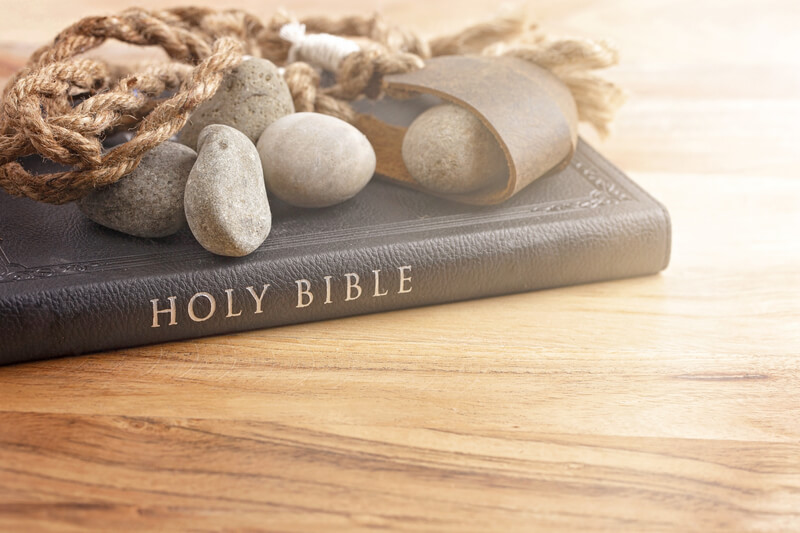
Because hope is a critical element of our day-to-day lives, we must be clear about the definition. When we say, “I hope things work out,” we are expressing uncertainty. Biblical hope is the opposite. It is a moral certainty, a settled assurance grounded in the unchanging character of God. It is what the Hebrew word tikvah captures: a rope or cord that you hold onto, anchored firmly outside of yourself.
When the Pit Is the Path
Few stories in Scripture illustrate this more powerfully than the life of Joseph. His story is not one of a single setback, but a long, painful stretch of adversity. Betrayed by his brothers, he was thrown into a pit and sold into slavery. Just as life began to stabilize, he was falsely accused and imprisoned for a crime he did not commit.
From a human perspective, Joseph’s life looked like a steady unraveling. He appeared to be a man forgotten by others and perhaps even by God. Yet, Scripture quietly repeats a phrase that changes everything: “The Lord was with Joseph.”
God was with him in the pit, in the suffering, and in the confinement. God’s presence did not prevent Joseph’s hardship, but it defined it. What Joseph could not see in the moment was that the pit was not a detour. It was the path. Every betrayal and delay was being woven into a larger story to preserve countless lives, including his family who had wronged him.
Seeing What God Sees
The turning point comes at the end of the story when Joseph stands face to face with his brothers. He had every reason to respond with anger, yet he spoke with clarity shaped by hope: “You intended to harm me, but God intended it for good” (Genesis 50:20 (opens BibleGateway in a new tab)).
This is the language of hope! Joseph didn’t deny the evil or pretend the pain didn’t matter. Instead, he saw God’s sovereign hand at work through it all. We often struggle because we live in the middle of the story. We feel the weight of the current chapter and assume it defines the whole book. But God is not bound by our timeline. He is the Master Architect, using even the broken pieces of our lives to build something redemptive.
A Work of the Spirit
This kind of hope doesn’t come naturally. It isn’t created through willpower, but is produced by the Spirit. Paul writes in Romans 15:13 (opens BibleGateway in a new tab), “May the God of hope fill you with all joy and peace as you trust in Him, so that you may overflow with hope by the power of the Holy Spirit.”
Hope is Spirit-produced. As we trust Him, the Spirit fills us with a perspective that goes beyond our circumstances. This hope gives us the ability to look back without regret and forward without fear. To the world, suffering feels random. To the believer, it is never wasted. In the hands of God, our deepest pain becomes part of a greater purpose.
Joseph remained faithful in the darkness because he trusted the character of the One who dwells in the light. He didn’t need to understand the “why” because he was anchored in the “Who.” If you find yourself in a “pit” today, remember that your hope is not grounded in your ability to fix what’s broken. It is anchored in a God who sees fully and works faithfully, even in the silence.



Comments
What did this stir in you this week?