AMC BOOK

UNITED WE READ

BOOK OF THE MONTH
* November, 2024 *
Post Image

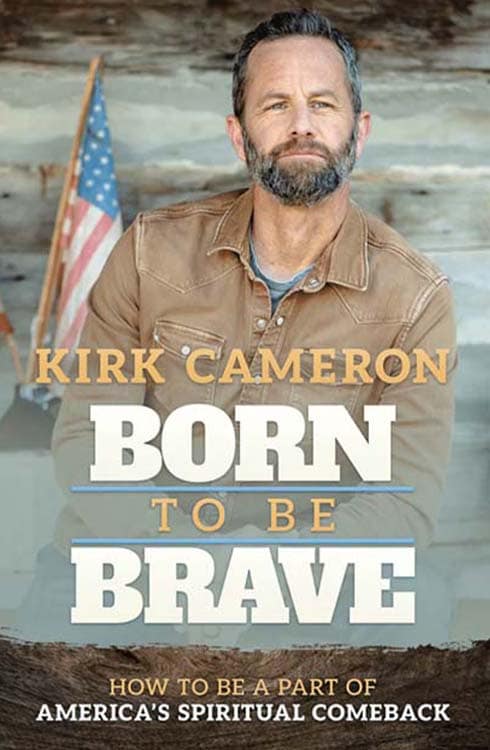
"Born To Be Brave"

How to Be a Part of America’s Spiritual Comeback

By Kirk Cameron | Published: October 8, 2024

AMAC'S ANALYSIS

What if the present cultural setback is really a divine setup for a spiritual comeback? Ungodly forces have devastated American culture. The family of faith is feeling intimidated and fearful. Worse, many of us think that nothing can be done about it...that society will inevitably get worse. God has given His faithful followers a birthright of courage. If we choose to live in this bravery, we will realign the nation with Christian values. If we’re going to change the nation and the world, we need to move beyond paralyzed outrage and start acting with courage and confidence. God is already on the move, and we can be a part of the big things He is doing. Because we were born to be brave.

Buy Born To Be Brave

Use promo code 'AMAC' for 15% off!

MEET THE AUTHOR

Kirk Cameron

Kirk Cameron has been in Sitcoms and Films all his life. He is a Christian, Husband, and Father, first. He and his wife, Chelsea, have been married for 31 years, have six children, and host an all-expenses-paid summer camp for terminally ill children and their families called Camp Firefly. Kirk Cameron is known by millions as “Mike Seaver” from the 1980’s sitcom “Growing Pains.” Kirk recently authored the children’s book “As You Grow” which teaches Biblical principles and character.

Author Image
AMC BOOK

Welcome
to the Club!

DISCUSSION QUESTIONS:
  • 1. (Chapter 1) What do you think are the key factors that can help Christians overcome fear and intimidation in today's cultural climate, and how does Kirk Cameron's concept of "second-birth bravery" inspire believers to take action despite opposition?
  • 2. (Chapter 1) In Born to Be Brave, Kirk Cameron draws a parallel between Simba's journey in The Lion King and Christians rediscovering their identity in God. How does recognizing one's true identity in Christ serve as a source of courage in facing societal challenges, and what are some ways this identity can be practically lived out in today’s cultural climate?
  • 3. (Chapter 2) In Chapter two, Kirk Cameron highlights King Alfred's courage and faith as central to his victory over the Vikings, leading to both physical and spiritual transformation in the land. How can modern Christians draw on similar principles of faith and bravery to confront today’s cultural challenges, and what role does mercy, as exemplified by Alfred, play in advancing God's kingdom in a divided society?
  • 4. (Chapter 2) Kirk Cameron describes King Alfred's efforts to rebuild society by integrating biblical principles into all aspects of life, from law to education to governance. In today's world, how can Christians similarly influence and transform societal institutions, such as government, education, and the economy, in a way that promotes justice, peace, and prosperity for all while maintaining a commitment to Christian virtues?
  • 5. (Chapter 2) How can Christians actively engage with and contribute to culture without compromising their values, particularly in light of societal challenges and opposition to traditional beliefs? What are some practical steps believers can take to “heavenize earth” in their communities?
  • 6. (Chapter 3) In what ways can modern believers embody the role of reformers in society today, similar to how key biblical figures like Noah, Abraham, and Jesus reformed their communities? What specific actions can individuals and churches take to address contemporary cultural issues while remaining grounded in the Gospel?
  • 7. (Chapter 3) How does the concept of the "American Covenant" as described in the text influence our understanding of America's founding principles, and in what ways can this understanding inform contemporary discussions about the nation's identity and values?
  • 8. (Chapter 3) In the context of the call for personal reform before seeking societal change, how can individuals balance their passion for activism with the need for introspection and spiritual renewal? What practical steps can one take to ensure their motivations for reform are aligned with God’s agenda rather than personal grievances?
  • 9. (Chapter 4) How does the modern portrayal of masculinity in society and the church influence men's willingness to embrace their roles as warriors or reformers in the fight against societal evils? In what ways can churches and communities better inspire men to harness their God-given strengths for meaningful action rather than allowing them to settle for passive or vicarious engagements?
  • 10. (Chapter 4) How does the concept of dominion as described in Genesis contrast with the historical misuse of dominion as domination, and what are practical ways men today can reclaim their roles as protectors and cultivators in their families and communities?
  • 11. (Chapter 4) In what ways can men actively participate in reforming societal structures while ensuring that they value and elevate the contributions of women, as demonstrated through biblical examples and contemporary experiences?
  • 12. (Chapter 5) In what ways can a vision of victory, as described in chapter five, empower Christians to engage with and influence contemporary culture, despite feelings of defeat or pessimism? How can we actively shift our mindset from one of despair to one of hope and action?
  • 13. (Chapter 5) How does the historical context of the Nine-Day Revolution in Romania illustrate the power of faith and collective action in challenging oppressive regimes, and what parallels can be drawn to contemporary movements for social change within the church today?
  • 14. (Chapter 6) How can the principle of "inside-out" transformation—prioritizing personal humility and repentance before seeking to influence culture or policy—impact our approach to leadership and activism in today's society? What steps can individuals take to ensure their actions are motivated by genuine love and service rather than personal ambition?
  • 15. (Chapter 6) In the narrative of the African American couple who forgave the young man who killed their son, we see a profound example of grace and love in the face of tragedy. How can we apply the principles of loving our enemies and holding onto compassion in our own lives, especially when faced with conflict or opposition? What steps can we take to cultivate a heart of forgiveness and understanding, even toward those who harm us or hold differing beliefs?
  • 16. (Chapter 7) How can individuals and communities actively embody the principles of love, compassion, and biblical truth in their daily lives and interactions, especially in a culture that often opposes these values?
  • 17. (Chapter 7) How does the comparison of Esther's situation to the challenges faced by conservatives today highlight the importance of community support in standing up for one's beliefs? What role do you think individual action plays alongside collective effort in effecting change in society?
  • 18. (Chapter 8) In the final chapter of Born to Be Brave, Cameron draws parallels between historical awakenings and the potential for a spiritual revival in contemporary America. How do the examples of past awakenings, such as those led by Harriet Tubman or during the Second Great Awakening, illustrate the relationship between faith and societal change? What practical steps can individuals and communities of faith take today to foster a similar spirit of awakening and address the challenges facing society?
  • 19. (Chapter 8) In Born to Be Brave, Cameron emphasizes the idea that individuals—especially those who may feel like "nobodies"—can make a significant impact through acts of courage and compassion. Reflecting on the story of Briell Decker and Susie's escape from a difficult situation, how can we identify and support "nobodies" in our own communities who are working towards meaningful change? What specific actions can we take to empower those around us to live out their own stories of bravery?
Join the discussion below:
Subscribe
Notify of
guest
3 Comments
Most Voted
Newest Oldest
Inline Feedbacks
View all comments
Tomy Reding
Tomy Reding
1 year ago

I have followed Kirk through his journey and I believe that he is one of the major assets for God and common sense in our nation.He is on the path to help parents, grandparents, and all others who want to bring our children back to reality and what is true and what is right. I believe that we must get behind him and support him and his efforts to bring us out of the insanity and back to a more clear and righteous mind set.I pray for him and his family and those who have joined with him in their battle to bring this nation back from the brink.

Rob citizenship--
Rob citizenship--
1 year ago

Praise for Kirk Cameron and ” Born to be Brave. This is what is needed to help provide for a culture that is responsible, respectful , and in keeping with the idea of the will of God . In the spirit of honor, integrity ,loyalty to principles . The qualities that make for good character , living with a sense of purpose, Let us who value the principles of Faith, Family and Freedom be grateful for noble efforts like this . In the spirit of God bless America, land of free, home of the brave.

3
0
Would love your thoughts, please comment.x
()
x