

"Let food be thy medicine and medicine be thy food." Historians debate whether Hippocrates spoke those exact words, but the sentiment has stood the test of time. Today, decades of nutrition research continue to reinforce an important truth: the foods we choose every day have a profound influence on our health.
As a nutritionist and health coach, I often remind people that there isn’t one "superfood" that can prevent disease or guarantee longevity. Rather, it's our overall dietary pattern that matters most. A nutrient-dense, whole-food diet—rich in colorful fruits and vegetables, lean proteins, healthy fats, legumes, whole grains, herbs, and spices—provides the vitamins, minerals, fiber, and beneficial compounds our bodies need to support healthy aging, maintain energy, and reduce the risk of many chronic diseases.
I also encourage people to think beyond calories and begin asking a different question: "How can I nourish my body today?"
One of the simplest and most enjoyable ways to do that is by eating with the seasons.
How One Vegetable Changed the Way I Think About Food
Ironically, it wasn't my nutrition education that first inspired me to start gardening.
A few years ago, I completed a comprehensive functional laboratory assessment as part of my own health journey. Along with personalized nutrition recommendations came a list of foods I was encouraged to eat more often.
One recommendation caught my attention: Choy Sum.
I'd never heard of it.
So, I headed to the grocery store. Then another grocery store. Then an Asian market. No luck.
Rather than giving up, I ordered a packet of seeds and decided to grow some of this mysterious choy sum myself.
To my surprise, Choy Sum was incredibly easy to grow. Within weeks, I was harvesting beautiful leafy greens from my backyard, and it quickly became one of my favorite vegetables!
That experience changed something in me.
Instead of simply asking, "What's for dinner?" I found myself asking, "What foods can I grow that will nourish my body?"
One packet of seeds became tomatoes, peppers, herbs, beans, squash, berries, flowers for pollinators, compost piles, and an entirely new appreciation for where our food comes from. Here is a photo of the choy sum growing in my backyard garden.

Lessons from the Garden
Gardening has taught me lessons that no nutrition textbook ever could.
Healthy soil supports healthy plant growth. Healthy growing conditions help crops flourish. Harvesting fruits and vegetables at peak ripeness delivers incredible flavor that often inspires us to eat more of them.
I'm not suggesting everyone should grab a shovel and start a vegetable garden. For many people, that's simply not realistic—and that's perfectly okay.
But whether your produce comes from your own backyard, a local farmer, a community-supported agriculture (CSA) program, a farmers market, or the grocery store, choosing fresh, whole foods more often is one of the best investments you can make in your health.
My garden simply helped me become more appreciative of the journey food takes before it reaches our plate and the care that goes into growing it well.
Why Eating Seasonally Makes Sense
Late summer is one of nature's most abundant seasons.
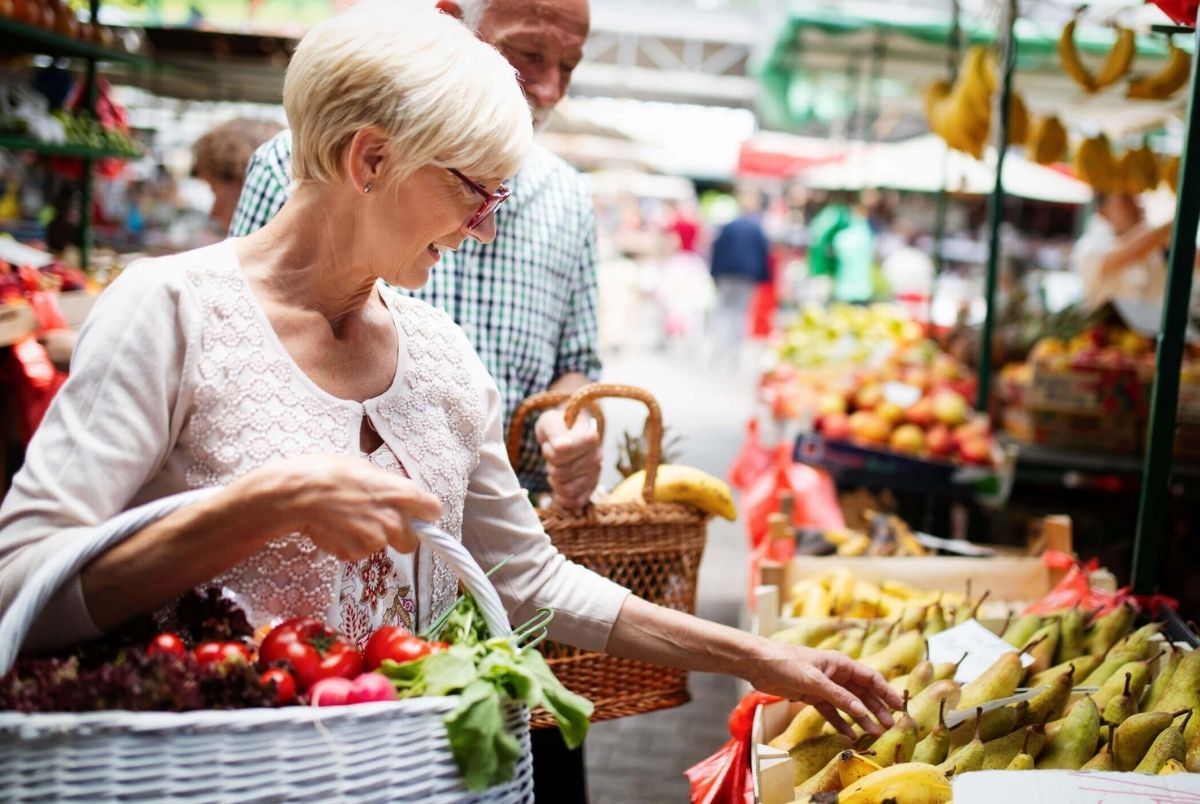
Walk through a farmers market in late July or August, and you'll find tables overflowing with tomatoes, peppers, peaches, melons, zucchini, cucumbers, herbs, sweet corn, berries, and more.
There are several reasons nutrition professionals encourage eating seasonally whenever possible.
- Better Flavor
- Greater Nutritional Diversity
- More Home-Cooked Meals
- Supporting Local Agriculture
Late Summer's Nutritional Superstars
As you're filling your shopping cart this time of year, here are a few produce superstars:
Tomatoes—Rich in vitamin C and the antioxidant lycopene, tomatoes are one of late summer's nutritional powerhouses. Enjoy them sliced, roasted, grilled, or tossed into fresh salads.
Bell Peppers—Bell peppers are loaded with vitamin C and colorful carotenoids that support healthy vision and immune function. They're delicious raw with hummus, grilled, or stuffed.
Watermelon– Made up of more than 90% water, watermelon is wonderfully hydrating during the hottest days of summer while also providing lycopene and the amino acid citrulline.
Peaches–Sweet peaches are naturally rich in fiber and vitamin C, making them a perfect snack or addition to salads, yogurt, or grilled dishes.
Summer Squash & Zucchini–Versatile and easy to prepare, summer squash provides vitamin C, potassium, and fiber, and it fits into countless healthy recipes.
Fresh Herbs–Don't overlook herbs like basil, parsley, oregano, thyme, dill, and mint. They add flavor to dishes while contributing beneficial plant compounds that complement an overall healthy eating pattern.
Three Simple Recipes to Celebrate Summer
Garden Mediterranean White Bean Salad
Serves: 4
Ingredients
- 2 cups ripe tomatoes, chopped (heirloom, Roma, or cherry tomatoes)
- 1 English cucumber, diced
- 1 (15-ounce) can cannellini or great northern beans, rinsed and drained
- ¼ cup red onion, finely diced
- ¼ cup fresh basil, chopped
- ¼ cup fresh parsley, chopped
- ¼ cup crumbled feta cheese
- 2 tablespoons extra-virgin olive oil
- Juice of 1 lemon
- 1 garlic clove, minced
- ½ teaspoon sea salt
- ¼ teaspoon freshly ground black pepper
Instructions
- In a large bowl, combine the tomatoes, cucumber, beans, red onion, basil, parsley, and feta.
- In a small bowl, whisk together the olive oil, lemon juice, garlic, salt, and pepper.
- Pour the dressing over the salad and gently toss to combine.
- Let stand for 10–15 minutes before serving to allow the flavors to blend.
Nutrition Coach's Note:
This colorful salad is rich in fiber, plant-based protein, heart-healthy monounsaturated fats, and antioxidants like lycopene from tomatoes. It's an easy make-ahead meal that tastes even better the next day.
Grilled Peach & Chicken Salad
Serves: 4
Ingredients
Salad
- 4 cups mixed salad greens
- 2 ripe peaches, halved and pitted
- 2 grilled chicken breasts, sliced
- 1 cucumber, thinly sliced
- ¼ cup crumbled goat cheese
- ⅓ cup toasted pecans
- ¼ cup thinly sliced red onion (optional)
- Fresh basil leaves for garnish
Balsamic Vinaigrette
- 3 tablespoons extra-virgin olive oil
- 1½ tablespoons balsamic vinegar
- 1 teaspoon Dijon mustard
- 1 teaspoon honey
- Salt and pepper to taste
Instructions
- Preheat a grill or grill pan over medium-high heat.
- Grill peach halves for 2–3 minutes per side until lightly caramelized. Slice into wedges.
- Arrange greens on a large serving platter or divide among four plates.
- Top with grilled chicken, peaches, cucumber, pecans, goat cheese, onion, and basil.
- Whisk together all vinaigrette ingredients and drizzle over the salad just before serving.
Nutrition Coach's Note:
This salad balances lean protein, healthy fats, fiber, and naturally sweet seasonal fruit for a satisfying meal that's rich in antioxidants and perfect for warm summer evenings.
Roasted Late Summer Vegetable Sheet Pan
Serves: 4–6
Ingredients
- 2 zucchini, sliced into half-moons
- 2 yellow squash, sliced
- 1 pint cherry tomatoes
- 2 bell peppers (any color), chopped
- 1 large red onion, cut into wedges
- 3 garlic cloves, minced
- 3 tablespoons extra-virgin olive oil
- 1 teaspoon dried oregano
- 1 teaspoon fresh thyme leaves (or ½ teaspoon dried thyme)
- ½ teaspoon sea salt
- ¼ teaspoon black pepper
- Fresh basil or parsley, chopped
- Juice of ½ lemon
- Freshly grated Parmesan (optional)
Instructions
- Preheat the oven to 425°F.
- Line a large baking sheet with parchment paper.
- Combine all vegetables in a large bowl.
- Add olive oil, garlic, oregano, thyme, salt, and pepper and toss until evenly coated.
- Spread vegetables in a single layer on the baking sheet.
- Roast for 25–30 minutes, stirring once halfway through, until vegetables are tender and lightly caramelized.
- Remove from the oven and finish with fresh basil or parsley, a squeeze of lemon juice, and Parmesan if desired.
- Serve alongside grilled salmon, chicken, or shrimp.
Nutrition Coach's Note:
The beauty of this recipe is its flexibility. Use whatever vegetables are in season. Roasting brings out their natural sweetness while preserving the vibrant colors that signal an abundance of beneficial plant compounds.
Looking Beyond the Nutrition Facts Label
One unexpected gift of gardening has been developing a greater appreciation for how food is grown. I pay more attention now to freshness, seasonality, and supporting local farmers whenever I can. Every small choice can help us build healthier eating habits over time.
If you've ever wondered about topics such as glyphosate, pesticide residues, food quality, or how to make informed decisions about the foods you buy, AMAC Active is hosting an upcoming webinar, "What's Really in Our Food? Separating Facts from Fear About Glyphosate, Food Quality & Hidden Chemicals."
Nature Knows the Season
Every season brings its own nutritional gifts. Late summer is one of the most colorful seasons.
Whether you harvest tomatoes from your backyard, pick up peaches from a roadside stand, browse your local farmers market, or choose what's in season at the grocery store, each meal is an opportunity to nourish your body with a wider variety of whole foods and nutrients.
You don't need a perfect diet, and you certainly don't need your own vegetable garden to reap the benefits. Start small. Add one seasonal fruit or vegetable to your shopping cart this week. Try a new recipe. Visit a farmers' market. Sprinkle fresh herbs over tonight's dinner. Those simple choices add up over time.
As my little Choy Sum experiment taught me, sometimes one seed, quite literally, can grow into something much bigger.
I'd love to hear from you! What are your favorite late summer fruits and vegetables, or do you have a favorite summer recipe that's always on your table this time of year? Share it in the comments below—your ideas may inspire fellow AMAC members to try something new and celebrate the delicious flavors of the season.


1 comment
What’s your experience?