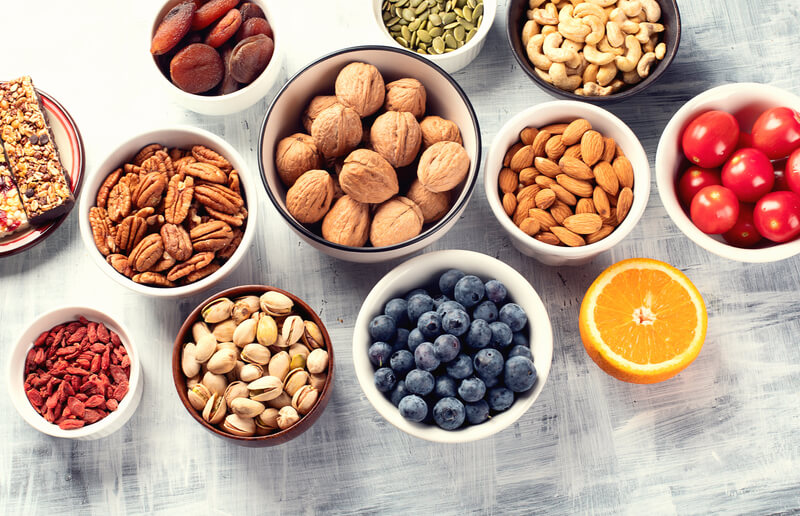
Feeling low? Step away from the donut. Here’s why choosing healthy snacks over junk food can support both your body and your mood.
About Snacking
When it comes to health, nutrition, and psychological context, the word “snack” sometimes carries a negative connotation. People often associate the term with binging, mindless eating, and making poor food choices. However, eating healthy snacks between meals can be beneficial for meeting nutritional goals and even help prevent overeating later. But what you snack on and when you snack count.
Snacking Delivers Comfort
Many people turn to food for comfort when they feel anxious, overwhelmed, or depressed. According to health experts at Independence Blue Cross (IBX), these cravings often lead to processed snacks that are high in sugar or salt and low in nutritional value. While those foods can create a short-term boost by triggering feel-good chemicals such as serotonin and dopamine, a steady diet high in additives, sugar, and saturated fat may increase inflammation and contribute to poorer mood over time. IBX recommends keeping healthy snacks on hand such as fresh fruit in a bowl, cut-up veggies, and low-fat dairy products in the fridge. And, when you’re out, skip the drive-thru. Instead, consider keeping a supply of healthy on-the-go snacks like protein bars or trail mix in your office, car, or purse.
Supporting the Body & Mind
IBX Wellness Coach Nicole Gonglik, MS, RDN, LDN, notes that comfort foods can be part of a balanced diet from time to time, but relying on them to feel better can create an unhealthy cycle. She also points out that people dealing with behavioral health challenges may have more difficulty making intentional food choices, which makes awareness especially important. Understanding how food affects the body can help people make choices that better support both physical and mental well-being.
A Helpful Example
Gail was having trouble sleeping, so she visited her doctor. After ruling out sleep apnea and other disorders, they identified a different issue: her habit of eating large amounts of mood-boosting chocolate candy before bed. Gail had not realized that the chocolate contained enough sugar and caffeine to stimulate her nervous system when she was trying to relax. Her doctor explained that substances such as caffeine, nicotine, and alcohol can interfere with sleep. Gail then changed her bedtime routine and replaced her nightly chocolate craving with sugar-free decaf green tea, which gave her a more calming option at bedtime.
Watching Added Sugars
Human bodies break down carbohydrates into glucose, which fuels the brain, red blood cells, and nervous system. Sugar can come from “natural sources” like fruit and milk or “other sources” (known as added sugars) like white and brown sugar or manufactured sweeteners. The American Heart Association notes that added sugars are everywhere and total up. “Many people in the U.S. consume almost 17 teaspoons of added sugar a day. That’s almost double the recommended daily limit for men and almost triple for women and rounds up to about 57 pounds of added sugar per year.” Eating far more sugar than recommended can raise the risk of conditions such as diabetes, and place stress on the body. Paying attention to added sugar intake is an important part of supporting long-term health.
Being Mindful About Food Choices: Benefits of Choosing Healthier Snacks
Snacking during the day is not inherently bad. But attention should be given to snack quality (making a healthy choice), timing (avoiding snacks close to meals or bedtime), and calorie intake (avoiding snacks that lead to weight gain). Choosing a whole, nourishing snack instead of chips, candy, soda, or donuts can make a real difference. An assortment of fresh fruits like berries and apricots, veggies like broccoli and carrots, plain Greek yogurt, and avocado each provides nutrients your body needs. Avoiding heavily processed foods with low nutrients is also key.
Three significant benefits of healthy snacking stand out:
- Healthy snacks provide fiber to support digestion and overall nutrition.
- Healthy snacks supply vitamins and minerals that help the body function at its best.
- Healthy snacks support the gut-brain connection, which can influence both physical health and mood.
Fiber Supports the Body
Fiber-rich foods help support digestion, promote fullness, and contribute to steady energy levels. They also lower heart disease risk by removing cholesterol from the body. Fruits, vegetables, legumes, nuts, and whole grains can all help improve overall nutrition while making snacks more satisfying.
Vitamins and Minerals Help the Body Function Well
Nutritious snacks provide essential vitamins and minerals that support immunity, energy production, and normal body functions. They also help support the digestive system and the broader gut-brain connection, which plays an important role in how we feel physically and emotionally.
The Gut-Brain Connection
The gut-brain connection, often called the gut-brain axis, describes the ongoing communication between the digestive system and the brain. Because these systems influence each other, what we eat can affect digestion, energy and mood. A balanced diet and lower stress can help support this connection and promote overall wellbeing.
Historical Influence
Per Cleveland Clinic, “Our brains and digestive systems have evolved together to help us survive. What we eat is crucial to our overall health, and it has also varied a lot throughout history, depending on what was available. Our brains and guts needed to stay in close contact to make sure we got the nutrients we needed. And, if we ate the wrong thing, or needed to put the brake on digestion, we had to have a good alarm system in place.” This includes the emotional part of the brain which can make physical sensations in the gut more intense.
Nurturing the Gut-Brain Axis
People can nurture their gut-brain axis by eating a healthy, balanced, natural diet combined with reducing stress. Eating right can also help to balance gut microbiome, the dynamic ecosystem of microorganisms (including bacteria, viruses, fungi, parasites, and archaea) that live in the human gastrointestinal tract.
Why Low Mood Can Lead to Unhealthy Snacking
Using Gail’s example, eating sugary chocolate candy instantly made her feel better and became a nightly habit. When people feel low, stressed, or emotionally drained, quick comfort foods can seem especially appealing because they offer immediate gratification. Over time, though, this pattern can become a habit that is hard to break, especially when mood challenges already make decision-making more difficult. Relying on temporary relief as a guide for food choices can lead to routines that undermine long-term health.
Practical Ways to Build Healthier Habits
For some people, carrying extra weight can affect energy, comfort, and confidence, which may make it harder to feel well overall. Replacing negative food patterns with healthier routines can support a more positive self-image and create momentum for long-term change. Breaking poor eating habits often starts with small, realistic changes. Again, using Gail as our example, switching from sugary chocolate candy to decaf green tea at bedtime worked well. Having trouble knowing where to start? Talking with a doctor or registered dietitian can help you build a nutrition plan that supports both physical and mental health.
Eating Responsibly: Why Healthy Snacking Matters
Healthy eating starts with understanding how food affects the body and mood. Choosing more whole, nutrient-dense foods and cutting back on heavily processed options high in sugar and salt can support both physical and mental well-being. If you need a plan tailored to your needs, consult your physician or a registered dietician.