
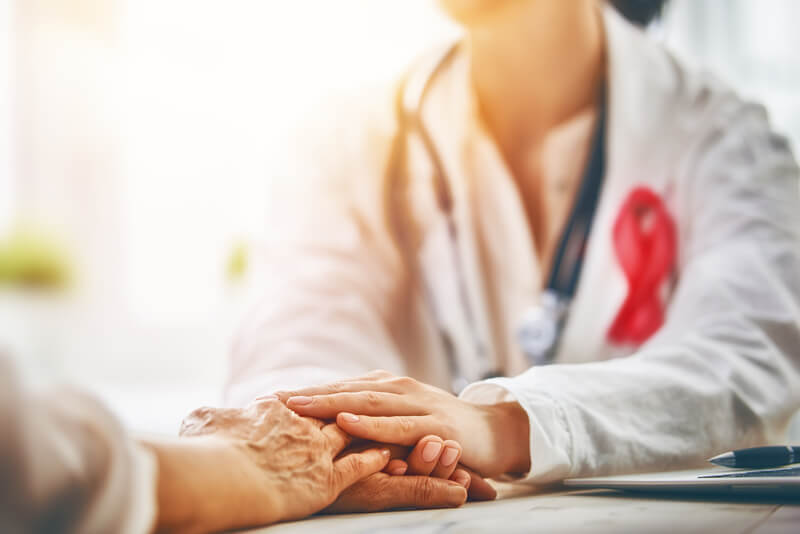
February marks National Cancer Prevention Month, an annual observance dedicated to increasing awareness of healthy lifestyle choices that can reduce cancer risk. The initiative highlights key preventive measures such as smoking cessation, balanced nutrition, regular physical activity, and appropriate sun protection. Established in 2004 following the passage of Senate Resolution 252 in 2003, this campaign serves to advance public health education and address the prevalence of preventable cancer causes. Note that this is different than National Cancer Control Month which was proclaimed in 1938 by President Franklin D. Roosevelt to be observed in April.
Understanding Cancer and Its Impact
Cancer refers to diseases involving uncontrolled cell growth that may be fatal if not treated. Below are notable facts and figures from the American Cancer Society, an organization focused on cancer prevention, public education, and improving the lives of people with cancer and their families through advocacy, research, and patient support. They are on a mission “to ensure that everyone has an opportunity to prevent, detect, treat and survive cancer.”
Causes and Risk Factors
The exact cause of most cancers is unknown, but these diseases, marked by abnormal cell growth and spread, can be related to inherited genetic mutations, lifestyle choices, environmental exposures, or a combination of these factors. Excluding non-melanoma skin cancer, the American Cancer Society notes that at least 40% of newly diagnosed cancers in US adults—about 811,000 cases expected in 2025—are potentially avoidable!
A breakdown of attributable risk factors includes:
- 19% of cancers caused by cigarette smoking
- 8% caused by excess body weight
- 5% caused by alcohol consumption
The Role of Screenings
Additionally, screenings can help prevent some types of cancer, including:
- Colorectal
- Cervical
- Breast
- Lung
- Prostate
Current Statistics and Awareness
According to American Cancer Society , “Excluding non-melanoma skin cancers, over 2 million new cancer cases are expected to be diagnosed in the US in 2025 and more than 618,000 people will die from the disease, the equivalent of about 1,700 deaths per day.” Many people believe that cancer cannot happen to them, but experts stress that everyone is at risk and incidents increase with age . In fact, 88% of people diagnosed with cancer in the US are 50 years or older. Age, lifestyle, family history, environmental factors, and genetic susceptibility all influence risk. The purpose of sharing this information is not to cause fear, but to raise awareness about the prevalence of cancer and encourage individuals to take charge of their lifestyles, which is the one aspect people can control to help reduce their cancer risk.
It touches all of us
Whether experiencing a diagnosis personally or supporting someone affected by cancer, the impact is widespread. Although not all cancers are within human control, many cancer cases are preventable, with research suggesting that individuals can reduce their risk of developing certain types of cancer through behavioral modification.
7 key actions to mitigate cancer risk
While not all cancers are preventable, Mayo Clinic recommends these 7 key actions to mitigate risk of developing cancer:
1. Don’t smoke. Smoking and chewing tobacco cause cancer and damage health. Thus, those behaviors should be avoided.
2. Eat/drink healthy. Including plenty of fresh fruits and vegetables in the diet and limiting or avoiding alcohol are actions that can lower cancer risk.
3. Stay physically active. Moving the body lowers weight and the risk of developing certain types of cancer.
4. Protect yourself from the sun. Wearing sunscreen and limiting time in the sun can help prevent skin cancer.
5. Get vaccinated. Vaccines are an effective tool in the fight against certain types of cancer, offering protection from associated viral infections.
6. Avoid risky behaviors. Some behaviors can increase risk of developing cancer. Mayo Clinic advises people to practice safe sex and avoid using drugs with shared needles for the prevention of cancer.
7. Get regular medical care. Early testing allows people with cancer to be diagnosed sooner to gain the most benefit from medical intervention.
According to Cancer.org, childhood and adolescent cancers have fewer known risk factors and may involve gene mutations. Adults should consult their doctor about lifestyle changes that could benefit their health.
About cancer staging
When people are diagnosed with cancer, the type and stage of cancer are typically discussed to establish a treatment plan. Cancer staging determines how far cancer has grown or spread, based on tumor size and spread to lymph nodes or other areas. According to Cancer.org, survival rates mainly depend on cancer type, stage, and age at diagnosis, but have improved due to better treatments and earlier detection. Newer advancements, like immunotherapy and targeted therapies, are helping people live longer after a diagnosis of cancer.
Reading statistics
Reading and understanding cancer statistics can be complex and subject to variables. For female breast cancer, death rates peaked in 1989 and has declined by 44% (as of 2022) mainly due to:
- Improved treatment
- Earlier detection through screening mammography
- Increased awareness
Cancer.org explains, “However, progress could be accelerated by eliminating racial disparities in early detection and treatments; for example, the death rate has remained unchanged over these 3 decades in American Indians and Alaska Native women and is 38% higher in Black women than in White women, despite lower incidence.”
Cancer assessment quiz
A cancer assessment quiz is a short online survey designed to evaluate an individual’s personal likelihood of developing certain cancers. Though not a substitute for in-person medical assessments or screenings, they analyze factors like family history, lifestyle, age and provide preventative recommendations and possibly screening suggestions. Thus, they can be used as a helpful risk assessment tool to help adults. To take a cancer assessment quiz, access information about cancer prevention and education, and learn ways to volunteer and give, visit American Cancer Society.
Hope and Progress
National Cancer Prevention Month, occurring annually each February, raises awareness about cancer and focuses mainly on reducing risk factors through lifestyle change and embracing healthy habits. The initiative also supports volunteerism and funding for prevention research as continued efforts advance progress toward cures. Along with embracing healthy habits and supporting non-profit cancer organizations during February’s prevention month, sustaining progress requires ongoing support all year-round.
Disclosure: This article is purely informational and is not a substitute for professional medical advice.
[adrotate banner=”1197″]





AMAC — What is up with this “Too many requests, slow down” idiom. It is a pain in the behind especially when throwing negative thumbs down on the Scammers that show up on your site.