
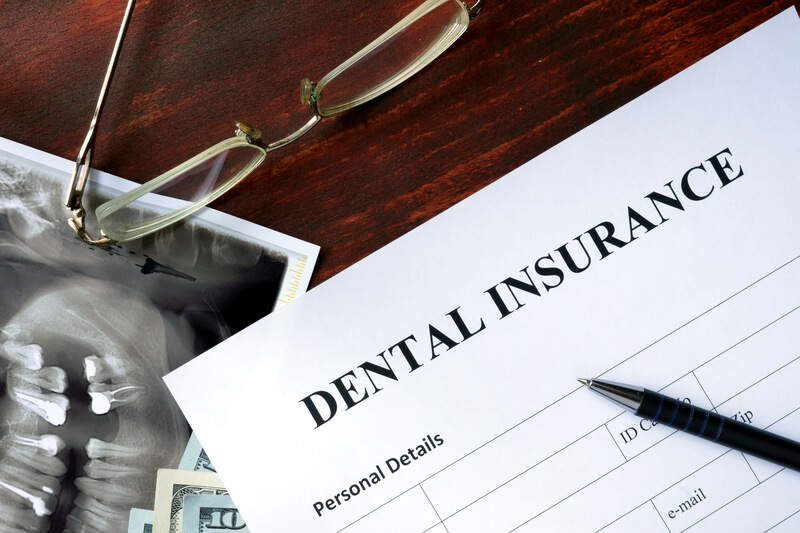
Health insurance should include dental care—but for most adults, that simply isn’t the case. Whether you’re on Medicare, an employer plan, or have Affordable Care Act (ACA) coverage through the Marketplace, dental care often requires a separate policy. Understanding whether dental care is included and the scope of that coverage is important, so let’s talk about it.
Routine dental care is essential for maintaining overall health. According to the Centers for Disease Control and Prevention (CDC), poor oral health has been linked to conditions such as heart disease and diabetes. Yet many discover too late that their insurance doesn’t cover these essential services.
Why Most Health Insurance Doesn’t Cover Dental
Most health insurance plans focus on medical treatment rather than routine oral care. They may pay for dental work only when it is considered “medically necessary”, meaning the dental procedure is required to treat a serious medical condition or support another covered treatment.
Examples of medically necessary procedures can include jaw surgery after an accident, dental treatment related to cancer therapy, or procedures needed before major surgeries such as organ transplants. Outside of these circumstances, routine dental care usually requires separate dental insurance.
Does Medicare Cover Dental?
For many retirees, Original Medicare is their primary health insurance. However, Original Medicare (Part A and Part B) does not cover routine dental care. This means services such as cleanings, exams, fillings, tooth extractions, dentures are typically not covered. Original Medicare may pay for dental services in limited situations when they are medically necessary.
What About Medicare Advantage Plans?
Some Medicare Advantage (Part C) plans offer dental benefits that may include cleanings, exams, or partial coverage for procedures like crowns or dentures.
However, coverage varies widely from plan to plan. Benefits may include annual dollar limits, network restrictions, or waiting periods for certain procedures. In addition, Medicare Advantage plans can change their benefits each year.
Because of these limitations and uncertainties, enrolling in a Medicare Advantage plan solely for dental coverage may not always be a wise choice. You should carefully weigh the trade-offs, such as provider networks and annual changes to medical benefits, before switching plans.
Do Marketplace Plans Cover Dental?
Health plans sold through the Affordable Care Act (ACA) Marketplace typically do not include dental coverage for adults. Under the ACA, dental coverage is considered an “essential health benefit”, but only for children under age 19. This means insurers must make pediatric dental coverage available, either within a health plan or through a separate dental policy.
For adults, dental coverage is optional. As a result, most Marketplace medical plans exclude routine dental services. Some insurers offer dental as an add-on or stand-alone policy that can be purchased alongside a health plan during open enrollment.
Where Can You Get Dental Insurance?
If your health insurance does not include dental coverage, you still have several options for obtaining it. Many older Americans purchase dental insurance separately to help manage routine care costs.
Two common options include:
- Standalone dental insurance plans. These policies are offered by private insurers and typically cover preventive care such as cleanings and exams, with partial coverage for procedures like fillings, crowns, or dentures.
- Dental coverage through Medicare Advantage or employer plans. Some employers and Medicare Advantage plans offer limited dental benefits, though coverage levels vary.
Before enrolling in any plan, it is important to review the plan’s Summary of Benefits or Evidence of Coverage to understand what services are covered, waiting periods, provider networks, and annual spending limits.
Why Dental Insurance Matters for Oral Health
Oral health plays a vital role in overall well-being, especially as we age. Regular dental visits help detect problems early and prevent costly procedures later.
The American Dental Association notes that preventive care significantly reduce the risk of tooth loss and gum disease. Dental insurance can make these routine services more affordable and encourage consistent care.
The Bottom Line
Most standard health insurance, including Medicare and many Marketplace plans, does not cover routine dental care for adults. As a result, many must purchase separate dental insurance or obtain coverage through a Medicare Advantage or employer plan.
Maintaining strong oral health is an important part of healthy aging. Before choosing a policy, always review the benefits carefully and consider how the coverage fits your overall healthcare needs.
For help with Medicare plans – or any questions you may have about Medicare – contact AMAC’s Medicare Advisory Service at 1-855-611-4856 or request a quote below.





The government in is everybody’s business but NEVER do they address the lack of dental coverage for dental which should be a part of medical just like other parts of the body. I know people who have died from a problem with their teeth which ended up as an infection then sepsis. There should be the same coverage included in the medical part of a plan not a separate coverage which is either nonexistent or minimal.
My dental office offers an in office dental plan, which I use. It basically gives me the same discounts as if I were to buy a dental discount plan, The premium cost covers 2 exams, cleanings and X-ray per year and discounts on other procedures. It certainly isn’t a cost advantage I am used to from an employer, but it’s better than nothing. There is no coverage for root canals.
Why is there a disconnect between medical and dental? Aren’t pain and discomfort typically one and the same? Not when it comes to this great divide. Dental insurance is useless because the plans are so subjective. When was the last time someone said you need to shop around for that hip replacement to see if they take your insurance? When it comes to a healthy body, MDs cover everything but your mouth, that’s off limits. Dentists are like autobody shops, they’re everywhere and the question always asked is “have you ever used them?” Somethings will always remain implicit and so will their cost menus.
I just went through evaluating what kind of dental plan coverage would be necessary as required necessary dental care that would also eventually be helpful for my physical well care health. Part of my confusion stems from dealing with dentist office care, that tends to not explain what a patient should be doing –type of necessary care–versus the presentation while you are sitting in the chair of all these services that may not necessarily need to be done ASAP but spread out over time as the best way forward. Most of us do not see the dentist as a necessary part of our well care healthcare when we should, so when we do eventually see the dentist, it is after we have experienced a dental problem. Plus it doesn’t help, that one feels pressured to do everything presented ASAP, when one hears and sees so much presentation about instantaneously being able to get “perfect permanent teeth” within 24-48 hours later–even though that is physically impossible. Any any dental coverage plans of coverage is not written in terminology that an average person understands. I had to have my daughter, who is a dental office manager review policies offered/recommended that cover both the dental and medical necessity of any dental treatment to find a suitable dental plan for my needs. Plus the popular trend towards teeth replacement –crowns versus dentures–creates an expectation by the dental office that the goal of every patient is to have a full mouth of perfect teeth. Great idea which only can be attained if one has gotten dental service treatment from the first tooth one gets in your mouth. That’s the main issue here is the assumption that when you finally go to the dentist that everything is a covered service and there’s no out of pocket costs–a fallacy created by how the Medicaid “free” coverage covers treatment and creates the illusion that the regular other plans that others pay premium coverage is covering dental service treatment. But even Medicaid dental coverage does have a list of limited services that is listed as covered are in clear concise language if individuals would bother to read–like I did to find a dental coverage that would cover what I knew would be the dental services I would need to keep my oral hygiene and remaining teeth in the best healthy condition. It was not necessary for me to consider a full mouth replacement or put crowns in the empty spaces and take on an unnecessary cost burden just to create a cosmetic better appearance to my teeth, especially since I was fully awareness that the cost was not a covered treatment because it was not a medical necessity.
How do we get people to understand the difference between basic dental services that are necessary for our oral hygiene versus teeth enhancements services that mostly are not medical necessity treatment? My only regret at this point of my life was that it was not made affordable for me to get good dental coverage plan for my dental needs and it was not fully explained either, in layman’s language what was covered and what was not covered either before getting any treatment.
There are reasons why things happen — especially in medical practice. The disconnect between dental practice and other branches of medicine should be explained by doctors in those branch of medicine. I do believe that one of the most important branches of medicine is Medical Ethics. Dentistry is a a branch of medicine, so it needs to be practiced accordingly. If insurance for dental care is not what it should be then that matter needs to be corrected..
Its as if those over 65 do not need dental care, like preventive care and the replacement of lost teeth. Sometimes I think medicare for seniors, should be a health insurance program for healthy young families. Sounds like a joke, but I have never had needed life improving articles, like eye glasses and dentures, paid for by medicare.
The government is not good at meeting our needs.
Dental should be included in all insurance plans, especially Medicare…If your teeth are not healthy, your body is not healthy!