
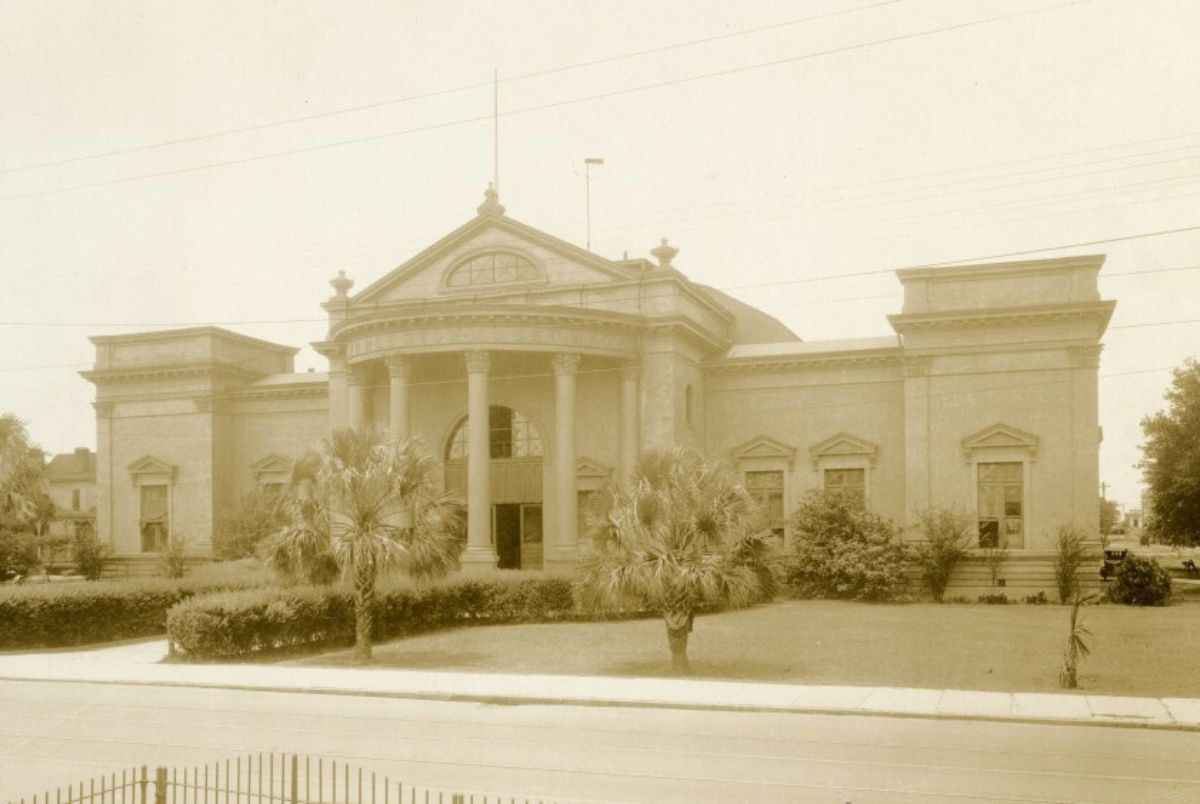
Opened on January 12, 1773, the Charleston Museum holds a singular place in American history as the nation’s first museum, a distinction it has proudly maintained for over 250 years. Founded nearly a decade before the Declaration of Independence was signed, the museum stands as a testament to Charleston’s early commitment to preservation, education, and civic culture. Located in the heart of Charleston, South Carolina, it has long served as a steward of the Lowcountry’s rich natural and cultural heritage.
Stepping into The Charleston Museum today feels like embarking on a layered journey through time. Its thoughtfully curated galleries guide visitors from the prehistoric origins of the region through colonial settlement, revolution, civil war, and into the social and artistic developments that shaped the modern South. The scope of its collections is impressive, encompassing ancient fossils, geological specimens, Native American artifacts, and an extensive array of historical objects that illuminate everyday life in early Charleston.
One of the museum’s greatest strengths is its ability to balance broad historical narratives with deeply personal stories. Visitors encounter militia uniforms, weaponry, and documents tied to the American Revolution and the Civil War, alongside refined examples of Charleston silver, furniture, and textiles that reflect the craftsmanship and domestic life of the Lowcountry. The museum also addresses the complex and painful history of slavery with care and context, helping visitors better understand how this institution shaped the region’s economy, culture, and identity.
Beyond its main galleries, The Charleston Museum extends its mission through two preserved historic house museums: the Joseph Manigault House and the Heyward-Washington House. These sites allow visitors to step directly into the architectural and social worlds of Charleston’s past, offering immersive insights into daily life, social hierarchies, and evolving customs. Walking through these homes provides a tangible connection to the individuals and events that influenced the city’s development.
What truly distinguishes The Charleston Museum is not only its age, but its continued relevance. It remains a dynamic educational and cultural resource, offering exhibitions, programs, and events designed to engage visitors of all ages. By encouraging curiosity and thoughtful reflection, the museum fosters a deeper understanding of how history continues to shape the present.
For anyone seeking to explore Charleston beyond its scenic streets and iconic landmarks, The Charleston Museum offers an essential and richly detailed gateway into the story of the Lowcountry and the broader American experience.
[adrotate banner=”1184″]






It is well worth the visit if you have a few days in Charleston, SC.