
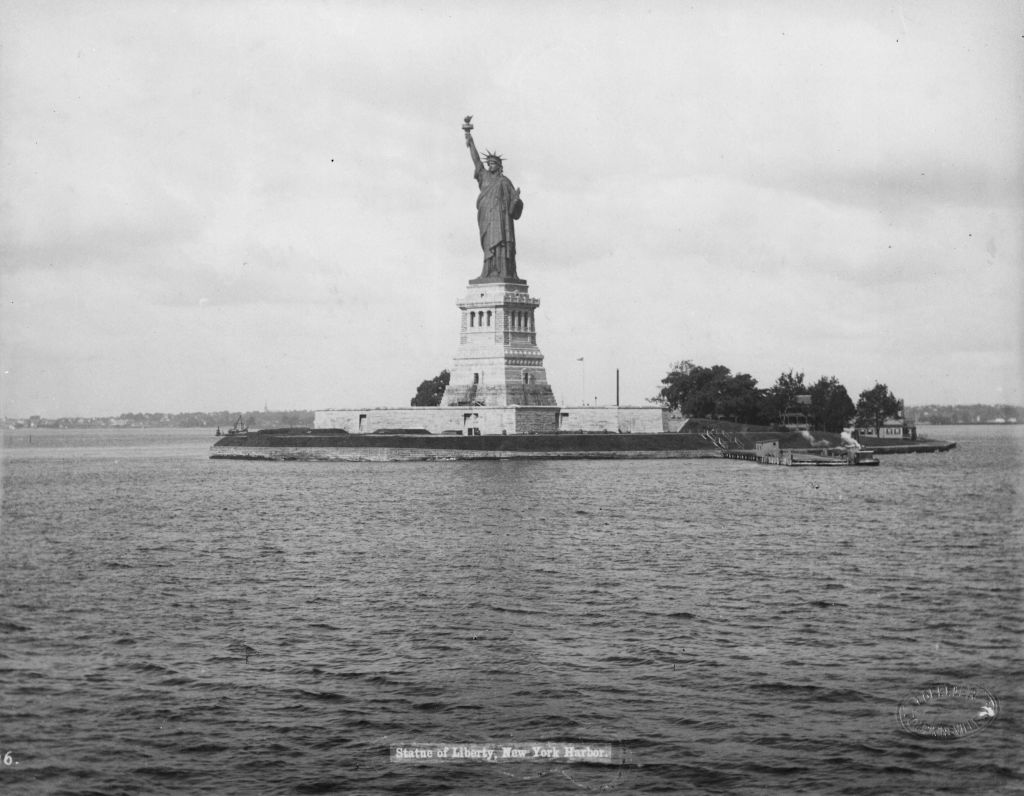
On June 17, 1885, the Statue of Liberty arrived in New York Harbor, beginning the final chapter in one of the most famous gifts in American history. The statue, a symbol of friendship from the people of France to the people of the United States, crossed the Atlantic Ocean in pieces aboard the French ship Isère. It had been carefully dismantled and packed into more than 200 crates, containing 350 individual pieces, before reaching its new home on Bedloe’s Island, now known as Liberty Island.
The monument was designed by French sculptor Frédéric-Auguste Bartholdi, with structural assistance from engineer Gustave Eiffel, who later became famous for the Eiffel Tower. Officially titled “Liberty Enlightening the World,” the statue was intended to commemorate the American Revolution, the abolition of slavery after the Civil War, and the lasting friendship between France and the United States. Bartholdi envisioned a towering female figure holding a torch high above New York Harbor, welcoming visitors and representing the ideals of freedom and democracy.
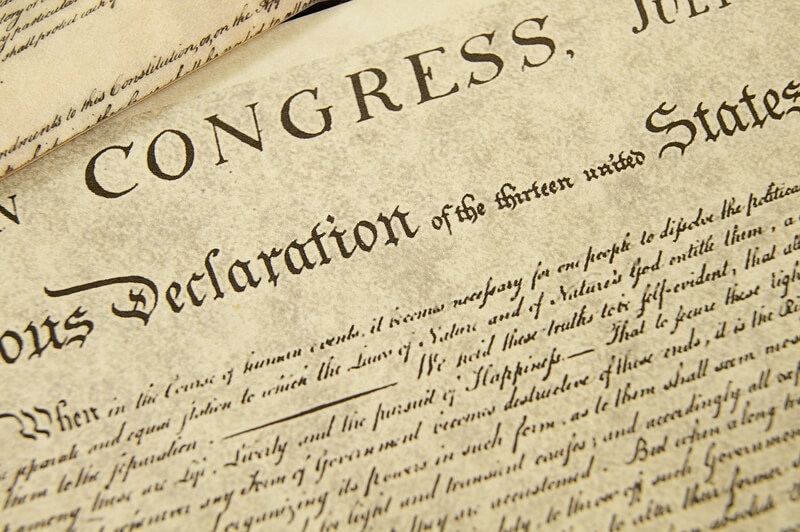
The project took far longer than originally expected. The statue was first planned for completion in 1876, in time for the 100th anniversary of the Declaration of Independence, but fundraising delays slowed progress on both sides of the Atlantic. France paid for the statue itself, while Americans were responsible for financing and building the pedestal. Fundraising efforts included auctions, lotteries, boxing matches, and public appeals, showing how much popular support was needed to bring the landmark to life.
After its arrival in 1885, the massive copper-and-iron statue had to be reassembled piece by piece. The completed monument was officially dedicated on October 28, 1886, in a ceremony led by President Grover Cleveland. Standing more than 305 feet from the foundation of its pedestal to the top of its torch, the Statue of Liberty was taller than any structure in New York City at the time. Though originally copper-colored, the statue gradually developed its familiar green-blue appearance through a natural process called patina.
Over time, the Statue of Liberty became closely linked with immigration. When Ellis Island opened nearby in 1892, millions of immigrants passed through New York Harbor and saw Lady Liberty as one of their first sights of America. In 1903, Emma Lazarus’ poem “The New Colossus” was added inside the pedestal, strengthening the statue’s association with hope, refuge, and opportunity. Today, the Statue of Liberty remains one of the most recognized landmarks in the world and an enduring emblem of America’s promise of freedom.







This article about the Statue of Liberty is appreciated. This article is very well written just as the Statue of Liberty is something that has an unmistakable message – right to the point. Was doing research on ferries and ferry systems for a few years back in the 1970’s and 1980’s , during that endeavor lived in a building nearby Battery Park. Looked out my window and had a great view of the Statue of Liberty each morning .A great way to start the day for sure. Was there for about six months .That scene is a clear memory . The history of the design and building of the Statue of Liberty is something that stimulates constructive thoughts .It sure enough was a great project !