

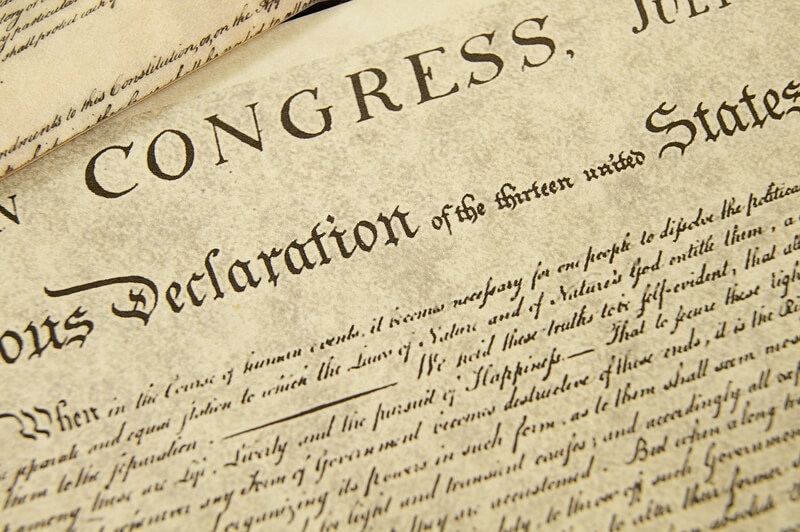
On December 5, 1933, the United States officially ended national Prohibition — a sweeping transformation in law and society that reshaped American culture, crime, and politics. On that day, the Twenty‑first Amendment to the U.S. Constitution was ratified, formally repealing the Eighteenth Amendment. The decisive vote came when Utah became the 36th state to approve the amendment at 5:32 p.m. EST, meeting the three-quarters threshold required for ratification — officially ending the nationwide ban on the manufacture, sale, and transportation of alcoholic beverages.
Prohibition wasn’t a spontaneous law. Its roots stretched back decades to a temperance movement motivated by concerns over alcohol’s social and moral toll. By 1919, the Eighteenth Amendment had been ratified, and the subsequent Volstead Act imposed a near-total ban on alcohol across the nation — though it never criminalized private consumption. The law took effect in January 1920.
What followed was a dramatic reconfiguration of American life. Willful noncompliance, bootlegging, smuggling, and illicit speakeasies sprouted across cities and towns. Organized crime syndicates, notably in cities like Chicago, flourished — profiting from the illegal liquor trade and corrupting law enforcement and politics. Most Americans, meanwhile, simply ignored the bans. Early on, alcohol consumption dropped — but by the early 1930s, it was climbing back toward pre-Prohibition levels.
The economic devastation of the Great Depression further fueled calls for repeal. With tax revenue plunging and enforcement costs soaring, many saw legal alcohol as both a moral and financial necessity. In February 1933, Congress passed what came to be known as the Blaine Act, proposing the Twenty-first Amendment — setting the stage for Prohibition’s end.
Even before the 21st Amendment was ratified, the nation began to see signs of thaw. The Cullen‑Harrison Act, signed in March 1933, legalized low-alcohol beer and wine, effective April that year. But the full repeal of Prohibition on December 5 restored legal access to all alcoholic beverages — including spirits — and reopened the door to a booming legal alcohol industry.
Legally, repeal meant more than cocktails returning to bars — it dissolved the federal ban, terminated many pending bootlegging prosecutions, and returned regulatory control largely to the states.
December 5, 1933, marks the end of an unprecedented national experiment in legislating morality. The repeal of Prohibition ended years of underground markets, gang violence, and social upheaval. But it also ushered in a new era — one in which alcohol remained regulated, taxed, and embedded within American culture. Today, that date remains both a reminder of the complexities of social reform and a landmark moment when America raised a glass to a new chapter.
[adrotate banner=”1184″]



We all know how liquor has destroyed lives of those who could not handle it. Congress in mass decided for for the rest of the nation that it would outlaw its existence, a noble but hypocrisy on a national scale. But as all things government, lobbyists, special interests, unions and even constituents decided for politicians their future government existence was at stake. The repeal was not a magnanimous gesture but it did create a whole industry in its wake, revenue, licensing, tax stamps and more government oversight the ATF. In addition it created rehabilitation for alcoholics, drugs for liver disease, a litigation industry for drunk drivers. It’s now all legal as long as you stay inside your lane, as the bottle says “always drink in moderation” Politicians always cave if they want to stay in office, but at least they put a warning label to cover their, you know.
My last salary was $8750, ecom only worked 12 hours a week. My longtime neighbor yr estimated $15,000 and works about 20 hours for seven days. I can’t believe how blunt he was when I looked up his information,
This is what I do…………….. LiveJob1.Com