
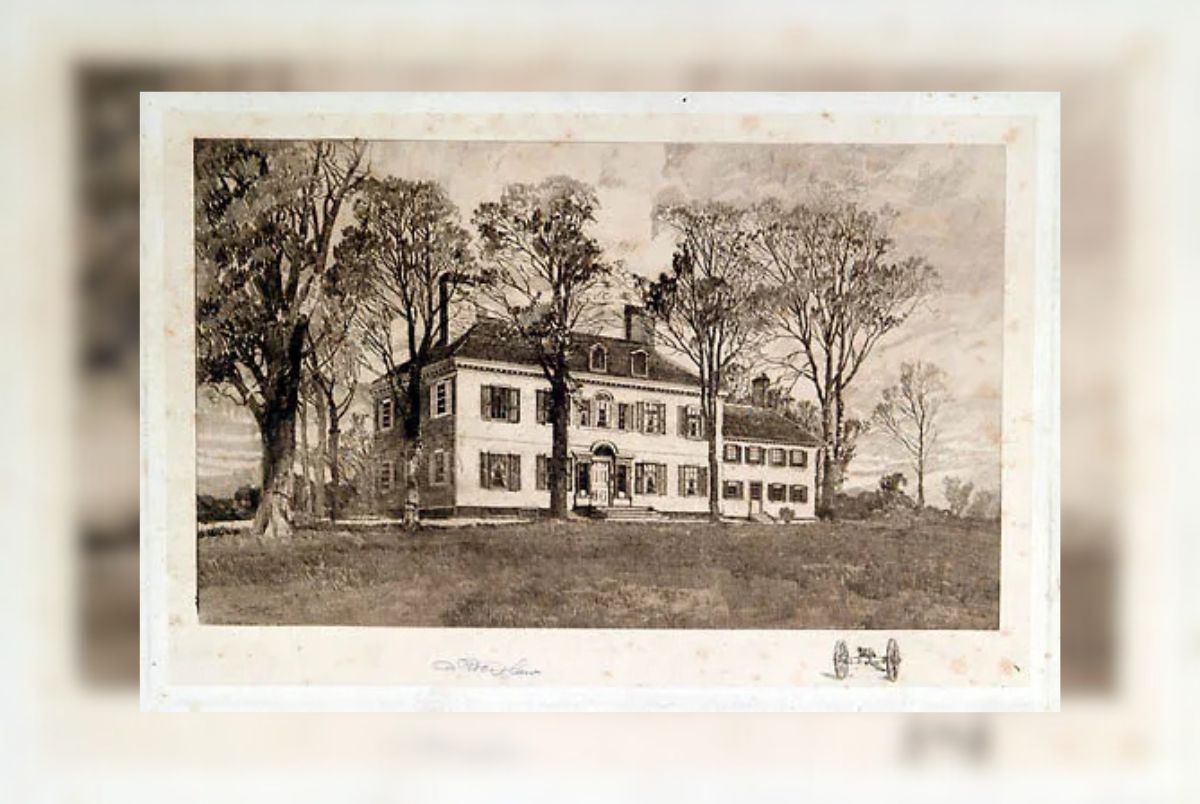
On January 6, 1777, General George Washington marched the weary Continental Army into Morristown, New Jersey, and formally set up winter quarters there following a string of hard-fought victories at Trenton and Princeton late in 1776 and early 1777. This strategic move came at a crucial moment in the American Revolutionary War and reflected both Washington’s tactical acumen and the challenges facing his army in the midst of a long, uncertain conflict for independence.
Morristown was an ideal location for Washington’s headquarters. Nestled behind the protective heights of the Watchung Mountains and safely distanced from British-occupied New York City, Morristown offered natural defenses, access to key roads leading to both New England and Philadelphia, and a community largely sympathetic to the Patriot cause. These features allowed Washington to observe British movements while maintaining supply and communication lines vital for the Continental Army.
The decision to winter in Morristown came after a period known as the Ten Crucial Days, during which Washington’s forces turned back a string of defeats and secured morale-boosting successes. But the threat of British counterattack and the logistical challenges of maintaining a standing army during winter made finding a secure encampment essential. Morristown’s position, only about 30 miles from the enemy yet protected by rugged terrain, struck the right balance between defensibility and operational necessity.
Once the Continental Army settled into camp, Washington focused on reorganizing his troops, many of whom were battle-weary, under-supplied, and nearing the end of their enlistments. Desertion was a serious concern, and Washington worked to bolster recruitment and retention by offering enlistment incentives such as land bounties and cash bonuses, while also tightening discipline within the ranks.
Beyond military oversight, Morristown became a center of Continental Army administration during the winter. Washington himself conducted strategic planning and correspondence with the Continental Congress from his headquarters, directing operations and managing the complex logistics of sustaining an army in camp.
The Morristown winter encampment of 1777 did more than give the army a respite from campaigning; it provided a structured environment in which the Continental Army could rebuild its strength, refine its leadership, and prepare for renewed operations in the spring. Washington’s decision to winter in Morristown proved pivotal, helping to stabilize the revolutionary cause at a moment when defeat still seemed a very real possibility.
[adrotate banner=”1184″]






As we look at the history of our nation, it is obvious that God indeed had a plan for us. He gave the weary soldiers a place of safety and a place to rest in order for them to accomplish the goal of liberty. Praise God from whom all blessings flow.