

For 77 years, this national initiative promotes the significance of mental health and the recognition of mental health issues that affect at least one in five individuals living in the U.S. It also aims to reduce stigma surrounding mental health. No matter how tough you are, processing emotions and accepting help are keys to living well.
Overview of Awareness Month
Mental Health Awareness Month was established in 1949 to promote understanding of mental health, reduce stigma, and encourage people to seek support when they need it. Mental health is a core part of overall well-being, influencing how people think, feel, behave, and connect with others.
Mental Health America (MHA), the nation’s leading nonprofit focused on mental health, founded the observance in 1949. Today, they continue to lead national awareness efforts each May and throughout the year. Over time, the campaign has helped expand public education, support prevention and early intervention, and encourage better access to care.
2026 Campaign Highlights
This year, MHA is using the theme “More Good Days, Together” to emphasize connection, support, and practical steps that can improve mental well-being. The campaign also includes Mental Health Awareness Week, observed May 11–17, 2026, and supported by many organizations nationwide.
Common ways to participate include sharing lived experiences, using educational resources, and displaying the campaign color to show support.
- Share personal stories: Thoughtful storytelling can help reduce stigma, encourage conversations, and remind others they are not alone.
- Use the 2026 Action Guide: MHA provides activities, articles, printable materials, and practical tools to support outreach and education.
- Wear green: Green is widely used to represent mental health awareness and to show visible support for the campaign.
The green ribbon is a recognized symbol of mental health awareness, representing hope, strength, and support. Although public understanding has improved, stigma and misconceptions remain, making continued education, access to care, and compassionate support essential.
About mental health
Mental health is a main component of one’s overall health, encompassing emotional, psychological and social wellbeing. Contrary to popular misconception, it is not the absence of illness, but the presence of resilience, positive relationships, stress management, and the handling of daily life. Key indicators of the need for support may include some of the following:
- Excessive worrying
- Prolonged sadness
- Depression or feelings of worthlessness
- Withdrawal
- Extreme irritability or severe mood swings
- Extreme changes in eating/sleeping habits
- Poor self-care
- Fear, anxiety, or confusion
- Substance misuse
- Difficulty coping
- Suicidal thoughts
Any of these symptoms indicate the need for support. If you are in crisis, it is essential to reach out to a healthcare professional or mental health resource who can provide guidance. Understand that life is hard and you do not have to go it alone.
CDC describes risk factors that influence mental health, identifying these examples as possibly increasing the risk of experiencing poor mental health:
- Social drivers like interpersonal and institutional discrimination
- Lack of access to housing, healthcare, education
- Lack of access to employment and economic opportunities
- Adverse childhood experiences and other types of interpersonal violence
- Social isolation
- Poor emotional wellbeing or coping skills
- Ongoing chronic medical conditions like traumatic brain injury, cancer, diabetes, etc.
- Use of alcohol or drugs
Promoting Early Intervention
Early intervention in mental health is crucial as it reduces symptom severity, prevents escalating crises, and improves long-term prognosis. It can help people avoid costly, intensive or emergency care, evade harmful coping mechanisms like substance abuse, and reduces the risk of long-term disability.
Increasing Awareness Among Youth
Mental Health conditions affect millions. Per National Alliance on Mental Illness (NAMI), founded in 1979 and the largest grassroots mental health organization in the U.S., fifty percent of all lifetime mental illness begins by age 14, and 75% by age 24. Recognizing symptoms in younger people and getting them the timely help they need is crucial. Per NAMI, adults can play a role in helping by:
- Recognizing signs of emotional distress in young people
- Asking younger people how they really feel
- Reminding younger people that it’s okay not to be okay
- Assuring them they are not alone
- Helping to connect them to valuable health resources
Remember that early intervention can save lives.
Federal and National Resources
The Substance Abuse and Mental Health Services Administration, SAMHSA, is a U.S. Department of Health and Human Services Agency that leads public health efforts to improve mental health and prevent substance abuse nationwide. SAMHSArecognizes Mental Health Awareness Month each May and provides access to monthly digital toolkits to help individuals and organizations share information, promote supportive conversations, and connect people with help. The agency also highlights resources such as FindSupport.gov, FindTreatment.gov, and the 988 partner toolkit.
One may discover:
- Weekly messages and campaign themes for May and other months of the year
- Shareable graphics, social media content, and outreach materials
- Guidance for supportive communication about mental health
- Additional educational resources for use during May and throughout the year
Community Support and Help
Mental Health Awareness Month also highlights the importance of community. Organizations such as NAMI emphasize that people facing mental health challenges, those supporting loved ones, and those advocating for change all play a role in building understanding and reducing isolation.
If you need information, guidance, or support, NAMI’s HelpLine offers free and confidential assistance. Call 1-800-950-NAMI (6264) or text NAMI to 62640.
A Word About Veterans
Veterans often struggle with complex mental health issues possibly attributed to high-stress combat exposure, traumas experienced, and the challenges reintegrating into civilian life. Additionally, physical challenges such as living with chronic pain or issues with substance abuse can worsen one’s overall mental health. VA Mental Health Services provide resources and treatment options, and the Make the Connection website shares stories and resources from people who truly understand -other Veterans. Crisis help is also available for Veterans – Dial 988 and press 1 or text 838255.
The Biden & Trump Administrations
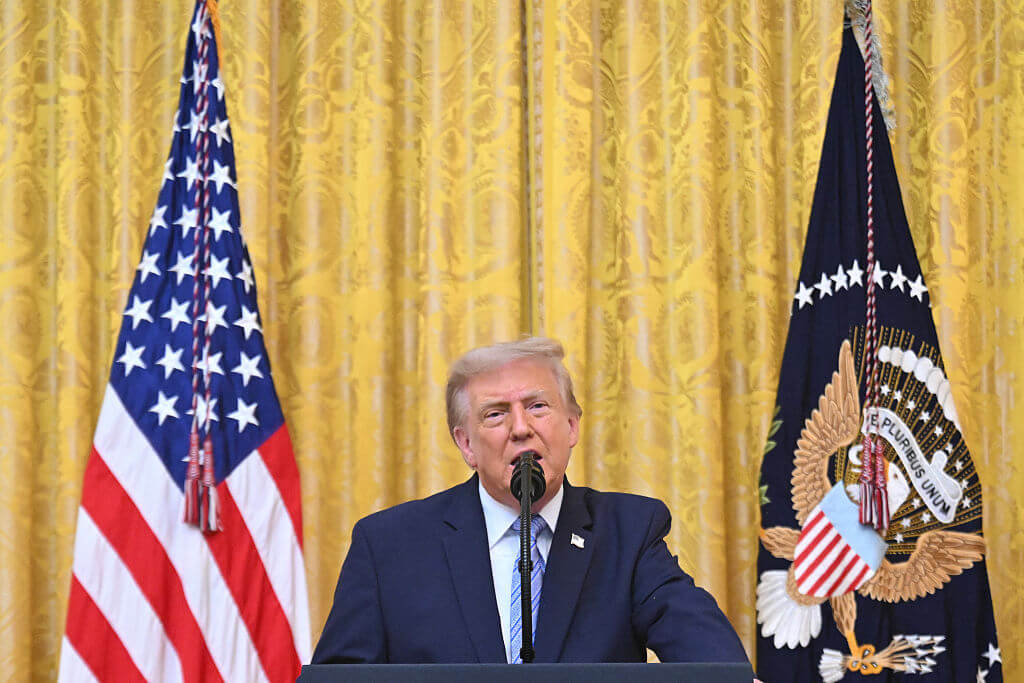
Both the previous and current government administrations in the U.S. back mental health awareness campaigns and take active roles in supporting people with serious mental health illness. As of May 2026, President Trump’s approach to mental health is focused on accelerating new alternative treatments particularly for Veterans and severe cases, pushing to accelerate medical treatments for serious mental illness, reorganize federal funding, and improve outreach for the unhoused with mental illness.
Immediate Crisis Support
If you or someone you know needs immediate support, contact the confidential 988 Suicide & Crisis Lifeline by calling or texting 988. The service is available 24 hours a day, seven days a week, every day of the year – across the United States and its territories.
Disclosure: This article is purely informational and is not intended as a medical resource or substitute for medical advice.







Mental health?
We already know the Democrats are b@tsh!t crazy.
Seriously, just look at their asinine policies.
—-reduce the stigma
Keeping how much and why?
That ship has sailed , there are over 80 Million Americans on Antidepressants in our country right now , Doctors hand them out like candy . That said the third biggest killer in our country after Heart Attack and Cancer ? Doctors .