
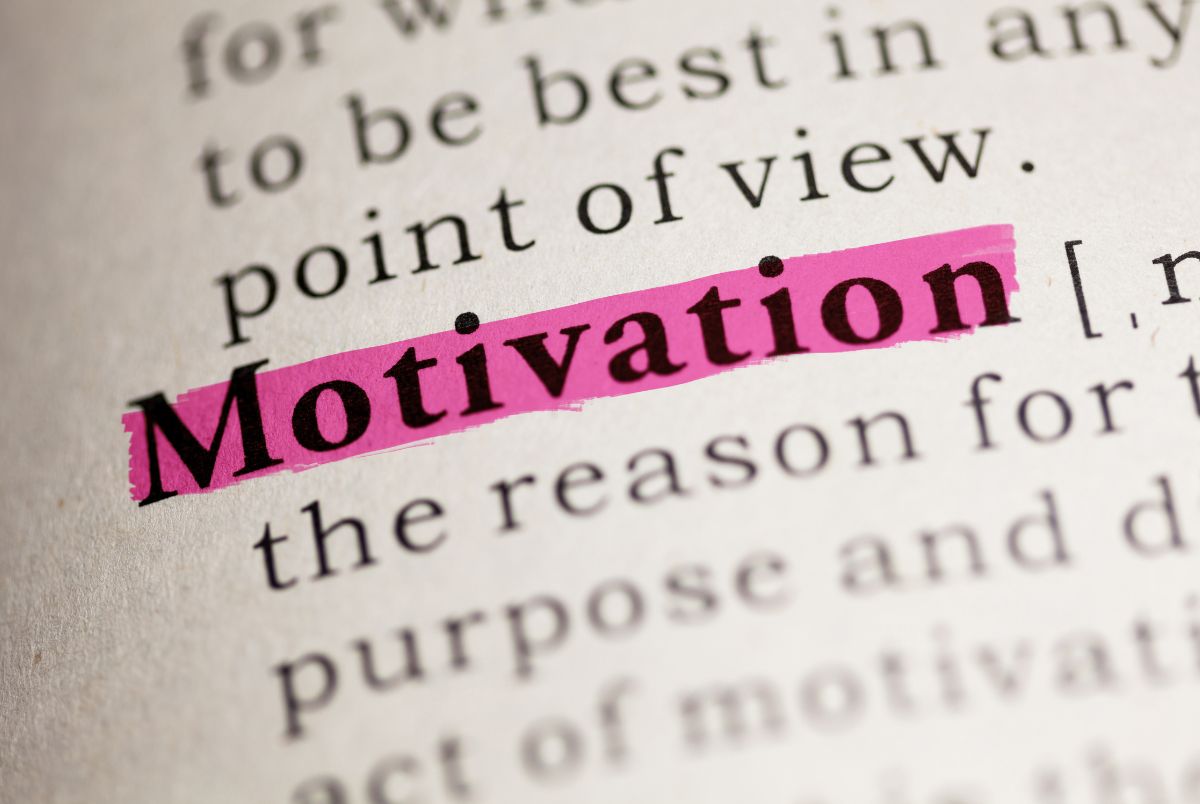
Understanding Motivation
Have you ever wondered why some days you’re highly productive, and on others, it’s difficult to stay focused? There are times when you arrive at the office early, finish all your reports, deliver excellent presentations, help colleagues, and even get a head start on tomorrow’s tasks. On other days, you find it hard to concentrate, your presentations are just average, and your to-do list keeps growing. It’s tempting to think that willpower alone – your ability to resist short-term temptations in favor of long-term goals – determines your productivity or output. But researchers say willpower is just one piece of the puzzle.
Motivation
Experts describe motivation as a person’s overall desire or readiness to act. It’s not simply a matter of willpower or self-determination. Instead, motivation is heavily influenced by the brain’s reward system. Neuroscience and psychology reveal that motivation is a complex process, largely driven by dopamine—a neurotransmitter that operates within the brain’s reward pathways.
The Role of Dopamine
According to Betterup.com, “Dopamine is the happy hormone that controls the brain’s reward system and drives us to do things that feel good. It’s produced in the brain and communicates messages throughout the nervous system.” Because it is released in anticipation of a reward, dopamine is often called the “motivation” molecule. Scientists explain that dopamine acts as an accelerator for action—it’s essential for putting in effort, working toward goals, and feeling pleasure as part of the brain’s reward system.
Intrinsic and Extrinsic Driven Motivation
Rewards aren’t just external, like money or praise for winning a race or performing music. The brain also produces dopamine when you feel internal satisfaction, for example after completing something challenging such as organizing your pantry or writing a paper. This is called intrinsic motivation—it means you’re driven by the inner sense of accomplishment. As Betterup.com notes, “Whether intrinsic or extrinsic, your brain’s reward system controls your motivation. It’s this system that influences the levels of dopamine in your body—a hormone and neurotransmitter that drives motivation.”
Creating a Habit
The brain connects pleasurable feelings with actions, motivating you to repeat those behaviors and create a habit. However, dopamine isn’t exclusively about pleasure; it also creates desire and craving, which can heighten drive and sometimes even discomfort. Factors like hunger, tiredness, stress, and your environment can all impact dopamine production and the way you perceive rewards. Per Seaglass Recovery, When compared to activities that release dopamine naturally, “…addictive substances can trigger 10 times the amount of dopamine to flood the brain and body.” This surge may contribute to drug abuse and addiction – demonstrating the powerful role dopamine plays in the human body.
Other Drivers of Motivation
Dopamine may be a central neurotransmitter for motivation, but it works alongside other chemicals and hormones that together regulate mood, energy, and motivation:
- Serotonin: This messenger promotes communication between nerve cells throughout the body and is vital for mood, sleep, digestion, and appetite regulation.
- Norepinephrine: It’s responsible for the body’s “fight-or-flight” response, boosting alertness, focus, and blood pressure.
- Endorphins: These are produced by the brain and pituitary gland in response to pain, stress, or pleasurable activities. Endorphins act as natural painkillers, blocking pain signals, reducing anxiety, and creating feelings of happiness and well-being.
- Oxytocin: As a hormone, oxytocin promotes social bonding and trust, making social recognition and teamwork possible. It is stored and released by the pituitary gland. In females, it makes the uterus contract in labor. In males, it is involved in making testosterone.
- Testosterone: This hormone plays an important role in driving motivation, competitiveness, and the energy needed for action. While it’s commonly known that men produce testosterone, women also have it in lesser amounts, and it can influence energy levels and more.
Working Together
Motivation is primarily managed by the brain’s reward system, especially the nucleus accumbens (NAc) and ventral tegmental area (VTA). These areas release dopamine to trigger action and reinforce behaviors. Alongside dopamine, other neurotransmitters and hormones are involved in maintaining lasting motivation and well-being. This highlights both the complexity of the human brain and the essential interaction between chemical factors.
Cultivating Motivation
Athletes we watch at the Olympics seem naturally gifted. While some may possess biological advantages, such as having long legs or athletic genes, it’s likely not the only factor in their success. Many athletes cultivate motivation by pushing themselves even when they don’t feel like it or their sport gets hard. Getting to the gold is not easy, and they must be determined to do their best. Most athletes set goals and push through for the reward, whether it be a medal, public attention, less criticism, or the pleasure of setting a record.
Different Prompts & Overcoming Obstacles
For athletes, different types of motivational prompts exist that can influence performance. Likewise, people can use deliberate strategies and interventions, such as rewards, to cultivate motivation. Penn LPS describes, “Many influential psychological theories and frameworks explain the brain systems, thought processes, and environmental or social conditions that underscore human motivation.” However, barriers can exist, such as fear of failure or perfectionism that can hold people back. Overcoming obstacles is often essential for success.
Next Steps
Knowing how motivation works means that low motivation can be addressed. There are practical steps anyone can take to boost their drive and engagement. Here are some examples:
- See a doctor. If you lack motivation or drive, or no longer enjoy activities you once found pleasurable, it could be due to a physical cause like dopamine deficiency. According to the Cleveland Clinic, “Low levels of dopamine can make you feel tired, moody, unmotivated and many other symptoms. Treatments are available for many of the medical conditions linked to dopamine levels.” Low dopamine should be medically addressed as it may also be linked to some diseases or health conditions. Symptoms of dopamine deficiency may include fatigue and lack of motivation, but also vary by underlying cause, so it’s essential to consult with a healthcare professional.
- Prioritize self-care. Good sleep, healthy eating, and regular exercise can reduce fatigue—a common factor in low motivation. Taking care of mental health too, including managing stress, is also a major factor of self-care.
- Act to drive motivation. We learned that dopamine gets released when your brain is expecting a reward – ahead of the action. Per Healthline, “When you come to associate a certain activity with pleasure, mere anticipation may be enough to raise dopamine levels. It could be a certain food, sex, shopping, or just about anything else you enjoy.” This health information provider uses homemade double chocolate chip cookies as a “go to” comfort food example, explaining that a person who enjoys these treats may increase dopamine when they smell them baking or see them come out of the oven. And, when eaten, the flood of dopamine acts to reinforce the craving and focus on satisfying it in the future.
- Prioritize goals. Staying motivated means focusing on activities you enjoy and shifting goals. According to Psychology Today, it helps to let go of goals that don’t inspire you. One individual shared their experience regarding loss of motivation, describing how they discovered new purpose in thought and in action. “I refocused my work goals on being helpful to other people, rather than trying to be popular. This felt more meaningful, both in concept and in practice as I did my work each day.”
- Keep things manageable. When we feel overwhelmed, procrastination can creep in. Breaking large tasks into smaller doable steps can help people prioritize, stay focused, and feel less overwhelmed. Some of the following self-help techniques may avoid procrastination and build momentum:
- The Eisenhower Matrix: Folks categorize tasks by urgency and importance (do, schedule, delegate, delete) and focus on prioritization and time management.
- The 2-Minute Rule: If a task takes less than two minutes, do it immediately. For larger tasks, commit to doing just two minutes of work to build momentum and keep you going.
- The 10-Minute Rule: Divide large projects into small easy-to-complete 10-minute tasks to reduce pressure. Once you start, you usually continue.
- The Pomodoro Technique: Work for 25 minutes, then take a 5-minute break. After completing four sessions, take a longer break. These short work bursts can be life changing in terms of effectiveness.
- The 5 Second Rule: People count backwards 5-4-3-2-1 and spring into action after the countdown. This resets the brain by disrupting overthinking and hesitation.
- Create a reward system. Motivation largely relies on people seeking pleasure and avoiding discomfort or pain. Forbes asks, “Wonder why gamification – and dog treats- work so well?” They explain, “Because we’re seeking the pleasure of the reward that comes after completing the task. Sometimes the reward is simply the feeling of relief but consider implementing your own rewards as well.” For instance, treating yourself to a favorite movie after completing a task can stir motivation.
Understanding motivation
Motivation, an internal drive linked to the brain’s reward system, encourages goal-oriented actions and shapes performance, growth, well-being, and success. Motivation is largely shaped by biology, environment, and life experiences. If you’re struggling with intrinsic or extrinsic driven motivation in work, school, sports, or areas of your personal life, addressing issues can help you. The brain’s functions, along with neurotransmitters and hormones, are complex. However, research is advancing and there is support available for those struggling with low motivation. Identifying causes and setting goals are excellent paths to driving success and improving life outcomes.
Disclosure: This article is purely informational and is not intended as a medical resource or substitute for professional healthcare. Please consult your doctor regarding your medical needs.








I used to work for a large corporation that gave a talk that money is not a motivator.
Then I realized that Money is definitely a motivator that is used in every walk of life. Let’s start with the government: fines, penalties and interest at every federal, state and local level. These are mainstay of every public agency. Then there are the financial institutions, late fees, interest, foreclosures and bad credit scores. Your money and the threat of them taking it is your motivation to comply. Everything else is pale in comparison.
Great article.
I enjoyed reading this article. It does take a few minutes to talk yourself into finishing an unpleasant task.
That probably explains why Democrats act the way they do, they do not have brains. If you want to know why Democrat brains cost so much per pound, figure out how many Democrats it takes to make a pound of brains. There’s your answer