

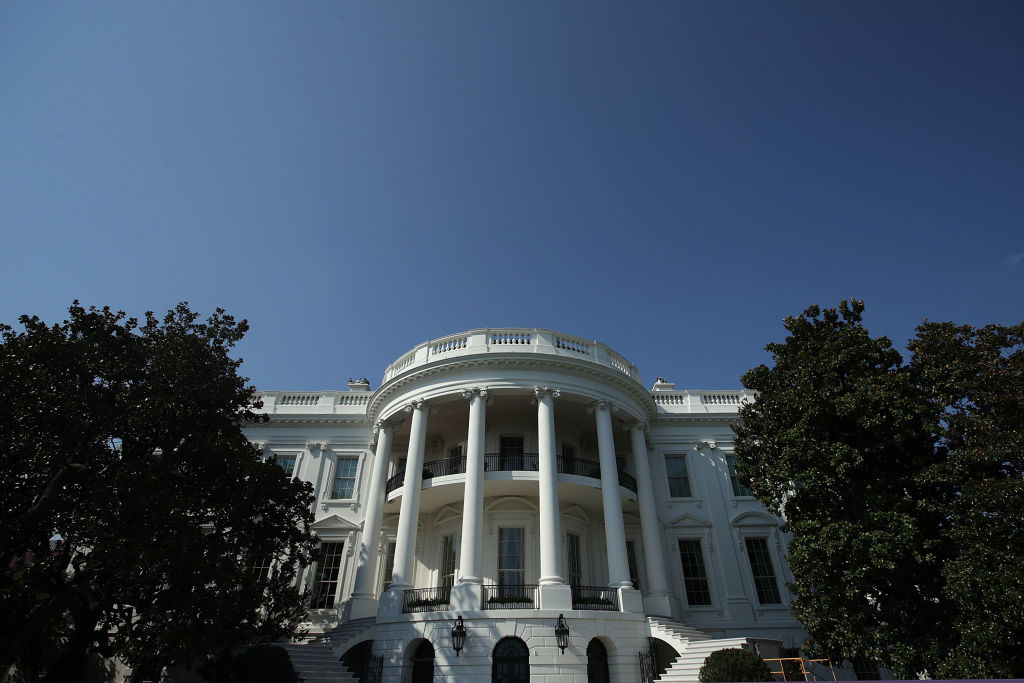
On December 12, 1800, a pivotal moment in American history quietly but irrevocably reshaped the young nation: Washington, D.C., was established as the permanent capital of the United States. For the first time, the federal government would convene not in a former colonial port or existing city, but in a brand new “federal city,” created deliberately and designed to embody the ideals and ambitions of the fledgling republic.
The story begins a decade earlier: the Residence Act of 1790, passed by Congress and signed by George Washington, mandated that a national capital be established “along the Potomac River.” Washington chose, and in 1791 appointed the French-born engineer Pierre Charles L’Enfant to design a city with wide grand avenues, open ceremonial spaces, and a symbolic layout — a modern federal city worthy of representing the United States. But turning vision into reality took time.
Over the course of the 1790s, what had once been a stretch of land along the Potomac — a mix of riverside lowlands, woodlands, and small colonial towns — began to take shape. Construction progressed under constraint; by 1800, a “legislative hall” for Congress and a residence for the president had been completed — or at least were habitable — just enough to allow the government to pack up and move. On December 12, 1800, Washington, D.C. officially became the seat of the federal government — a formality that sent a powerful message: the United States was committing to a unified national identity, anchored in a political center built not for commerce or state interests, but for governance itself.
In those early days, the city was far from the bustling metropolis we know now. The streets were quiet, many lots were empty, and public buildings were modest. Yet what Washington lacked in size or polish, it made up for in symbolic power: this was a capital deliberately placed between North and South — a neutral ground for all states, chosen as part of a compromise and unity.
That founding decision — made official on December 12, 1800 — laid the foundation for everything that would follow. Over the next two centuries, Washington, D.C. would grow into the political heart of the United States: the site of the Capitol and White House, the stages of landmark legislative battles, and home to institutions and monuments that have shaped — and reflected — the American story.
Today, Washington, D.C. stands not only as a symbol of American governance but as a living, evolving city — a place where history, power, meaning, and identity continually intersect. And it all began on that December day in 1800, when the fledgling nation moved its seat of government to a city born of compromise, vision, and hope.
[adrotate banner=”1184″]



I didn’t know the AMAC allowed free advertising for your get rich quick scheme. Maybe I can advertise to sell the Brooklynn Bridge next week.
It should be moved again . . . to near the geographic center of the country!