On May 15, 1800, President John Adams made a decisive move that would permanently shape the political landscape of the United States: he ordered the federal government to leave Philadelphia and relocate to the newly established capital of Washington, D.C. With a single directive to his cabinet and department heads, Adams set in motion the transfer of the nation’s leadership to a purpose-built seat of government along the Potomac River—a transition that symbolized both the young republic’s ambitions and its growing independence.
At the time, Philadelphia had served as the temporary capital for nearly a decade, following earlier stints in cities like New York. But the Residence Act of 1790 had already determined that a permanent capital would be constructed in a new federal district, designed to stand apart from any individual state. Washington, D.C., named in honor of George Washington, was chosen as a compromise between northern and southern interests, reflecting the delicate political balance of the early republic.
Adams’ order came on the same day Congress adjourned its final session in Philadelphia. He instructed that all federal offices be fully operational in Washington within just one month—a tight deadline that underscored both the urgency and the relatively small scale of the government at the time. With only about 125 federal employees, the move, though significant, was logistically manageable compared to modern standards. Important documents, records, and supplies were packed up and transported—often by ship along inland waterways—to the new capital.
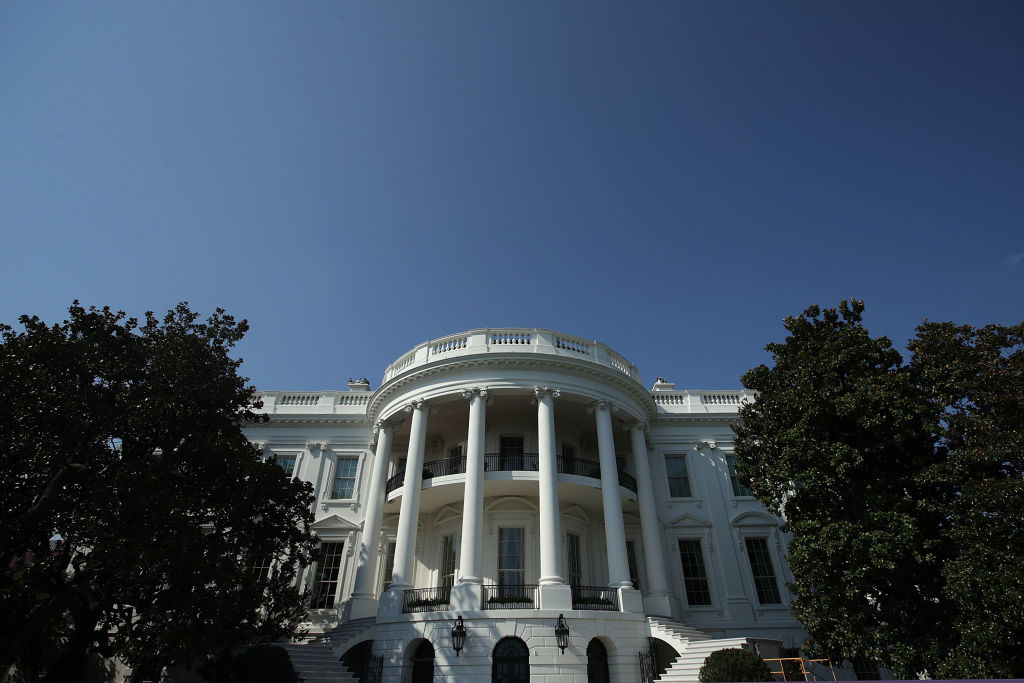
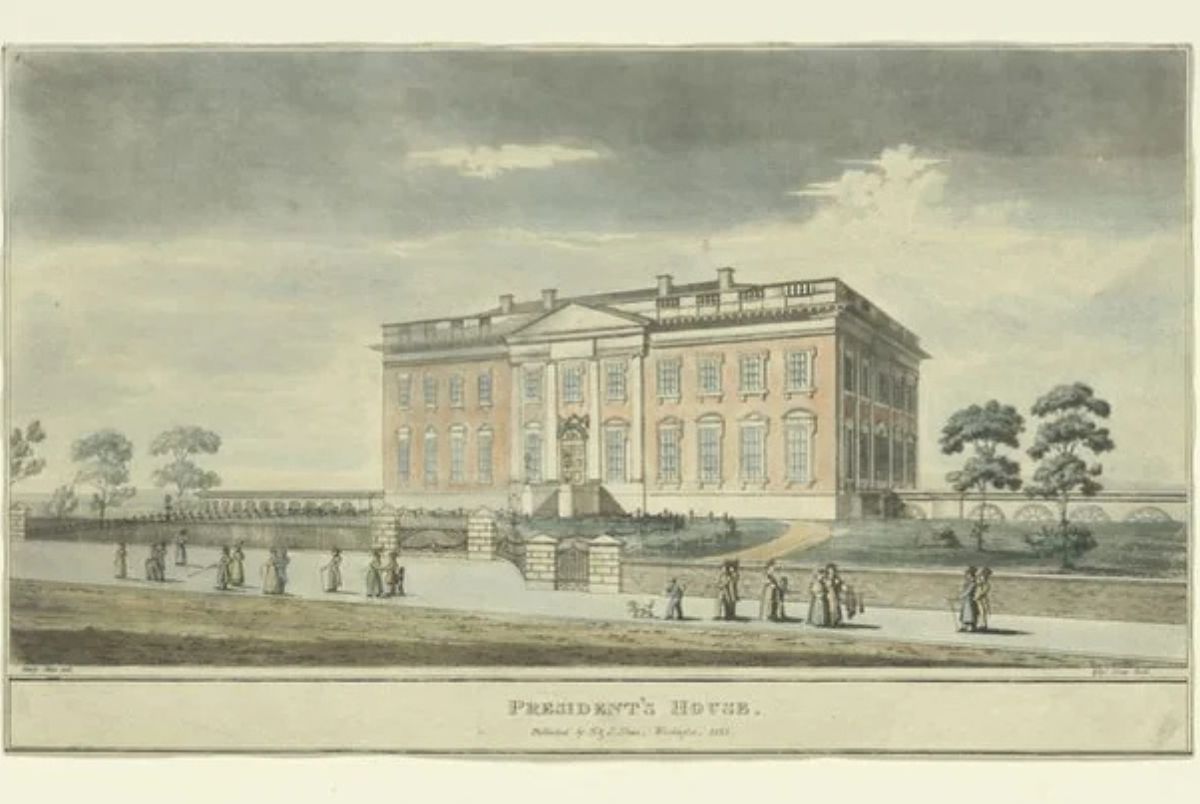
Despite its symbolic importance, Washington, D.C., in 1800 was far from the grand city it would later become. Much of it was still under construction, with muddy roads, unfinished buildings, and sparse infrastructure. The Capitol was only partially completed, and the president’s residence—later known as the White House—was not yet ready for occupancy. When Adams eventually arrived, he found a city still in its infancy, reflecting both the promise and the growing pains of a nation finding its footing.
President Adams and First Lady Abigail Adams did not move into the White House until November 1800, and even then, conditions were rudimentary. Abigail famously wrote about drying laundry in unfinished rooms, highlighting the challenges of living in a capital that was still more vision than reality. Yet despite these hardships, the relocation marked a crucial step toward establishing a stable and centralized federal government.
The move to Washington, D.C., also carried lasting political significance. By placing the capital in a federally controlled district rather than an existing city, the founders sought to ensure neutrality and prevent undue influence from any single state. This decision reinforced the authority of the national government and helped define the structure of American governance for generations to come.
Today, Adams’ order on May 15, 1800, is remembered as a turning point in the nation’s early history. It transformed a fledgling settlement into the enduring center of American political life, establishing Washington, D.C., as the heart of the federal government—a role it continues to hold more than two centuries later.