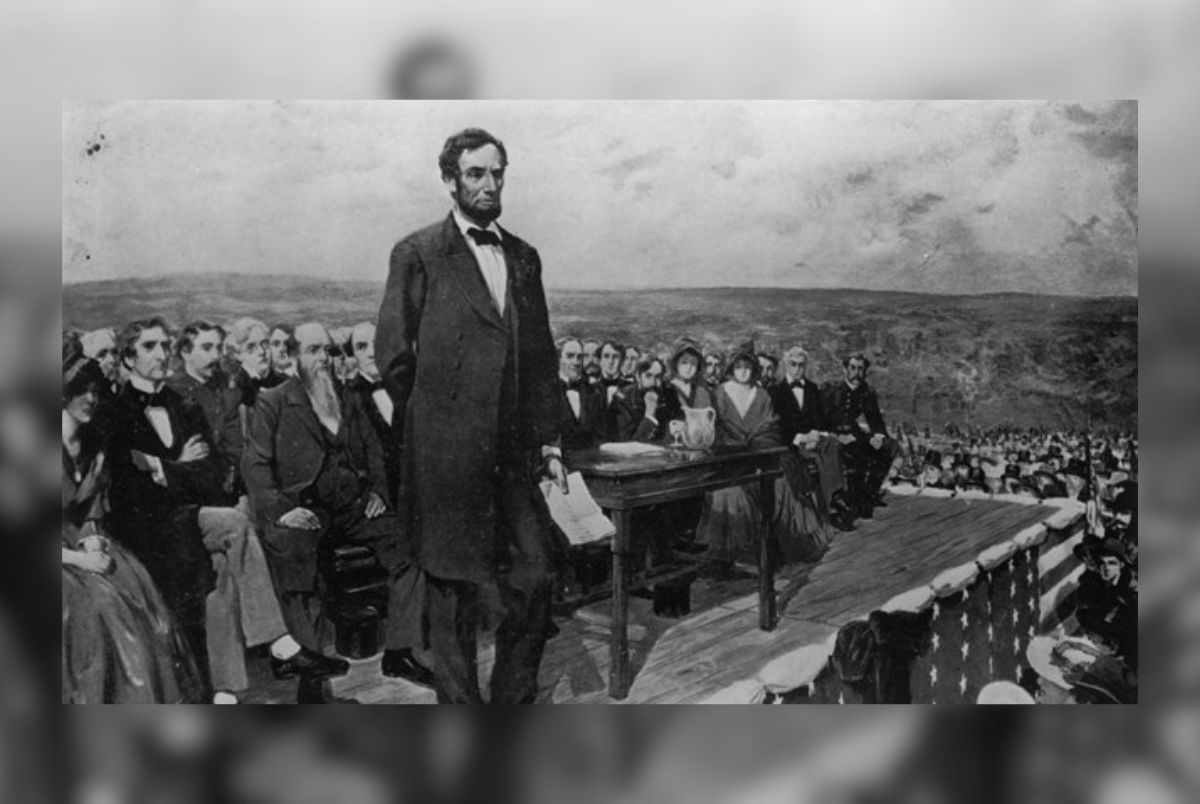
On May 20, 1862, in the midst of the Civil War, President Abraham Lincoln signed one of the most influential pieces of legislation in American history: the Homestead Act. Designed to encourage westward expansion and settlement, the law offered ordinary Americans the chance to claim and own land in the western territories, dramatically reshaping the nation’s landscape and future.
The Homestead Act granted 160 acres of public land to citizens or intended citizens who agreed to live on and improve the property for at least five years. Applicants paid only a small filing fee, making land ownership attainable for farmers, immigrants, formerly enslaved people, and countless families seeking opportunity and independence. At a time when land ownership often represented wealth and stability, the legislation opened doors that had previously been out of reach for many Americans.
Lincoln strongly supported the idea that hardworking individuals should have access to land and the opportunity to build better lives. Before the Civil War, Southern lawmakers had repeatedly opposed similar legislation because they feared westward expansion by small farmers would weaken the influence of slaveholding plantation owners. Once Southern states seceded from the Union, Congress was finally able to pass the bill that Lincoln eagerly signed into law.
The impact of the Homestead Act was enormous. Over the next several decades, more than 1.6 million homestead claims were approved, distributing roughly 270 million acres of land across 30 states. Settlers traveled west by wagon and railroad to establish farms, ranches, and communities on the Great Plains and beyond. New towns sprang up, agriculture expanded rapidly, and the American frontier became increasingly populated.
For many immigrant families arriving in the United States during the late 19th century, the Homestead Act symbolized hope and possibility. Europeans fleeing poverty or political unrest often saw the chance to own land as the realization of the American Dream. Entire generations built livelihoods from homesteads carved out of challenging and often unforgiving terrain.
However, the Homestead Act also came with serious consequences. Much of the land offered to settlers had long been inhabited by Native American tribes. As settlers moved westward, Indigenous communities were displaced from their ancestral lands through treaties, conflict, and government policies that devastated tribal nations and cultures. Historians continue to examine the act through both its role in expanding opportunity and its contribution to the displacement of Native peoples.
The Homestead Act remained in effect for more than a century before being officially repealed in 1976 in most states, though Alaska allowed claims until 1986. Today, it remains one of the defining laws of American expansion, illustrating both the ambition and complexity of the nation’s growth during the 19th century. Lincoln’s signature on May 20, 1862, helped shape the economic, cultural, and geographic development of the United States for generations to come.