
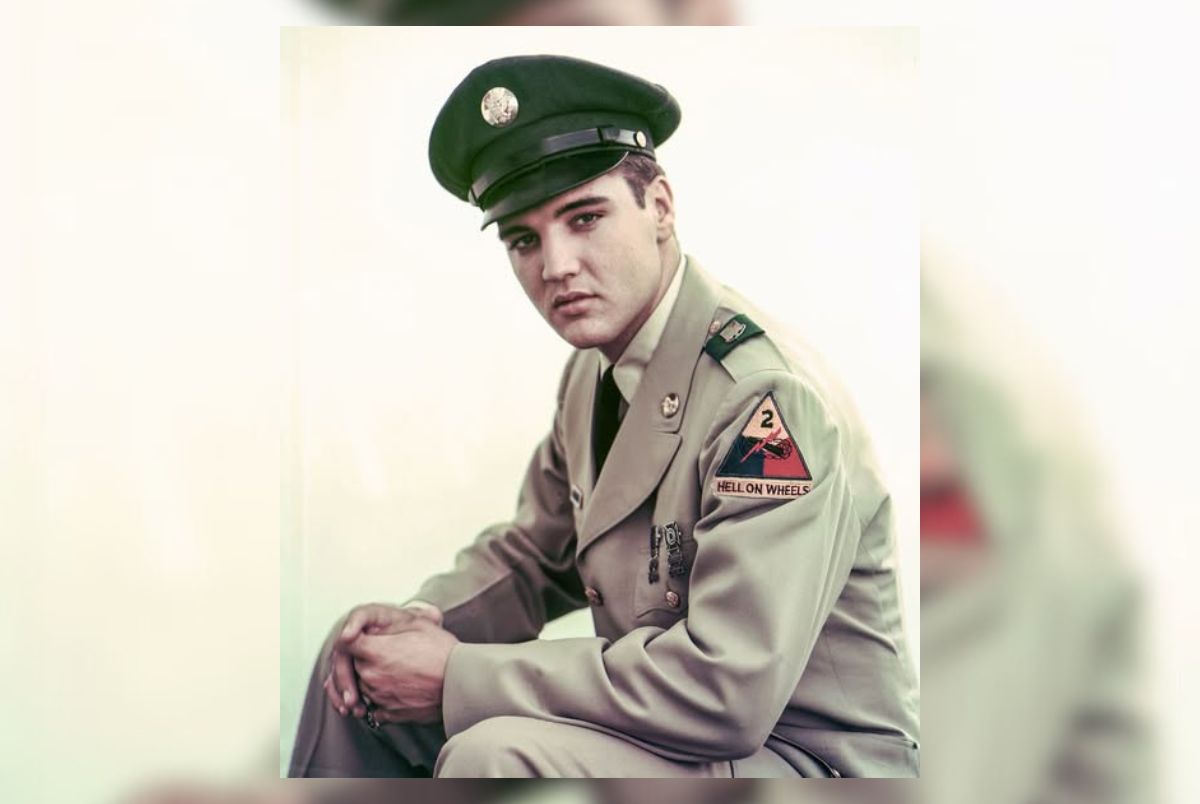
On March 24, 1958, Elvis Presley—already crowned the “King of Rock and Roll”—traded the spotlight for military fatigues as he was inducted into the United States Army. At just 23 years old, Presley’s entry into service marked a striking moment in American cultural history, as one of the world’s most famous entertainers stepped away from fame to fulfill his civic duty. What began as a day surrounded by cameras and cheering fans ended with Presley officially becoming Private Elvis Presley, a regular soldier in the U.S. Army.
Presley’s path to induction began years earlier when he registered for the draft at age 18, as required by law. Although he initially received deferments—first as a high school student and later to complete his film King Creole—his draft notice eventually arrived in late 1957. By early 1958, despite his skyrocketing fame and influence, Presley was declared eligible for service. Unlike many celebrities who might have sought special treatment, he chose to enter the Army as a regular enlisted man rather than joining an entertainment unit, a decision that would significantly shape public perception of him.
The day of his induction drew intense media attention. Hundreds of fans and reporters gathered to witness the historic moment as Presley reported to the Memphis draft board and was processed into service before being sent to Fort Chaffee, Arkansas. Cameras followed nearly every step, capturing a surreal contrast between his celebrity status and his new identity as a soldier.
For many Americans, Elvis’s enlistment carried symbolic weight. At the height of his fame—when his music, style, and performances had already transformed popular culture—his decision to serve helped legitimize rock and roll in the eyes of skeptics. Some critics who had once viewed him as controversial or rebellious began to see him instead as a responsible young man willing to put country before career. His service also reassured parents and authority figures who had worried about his influence on youth culture.
Presley’s military experience would prove deeply transformative. After basic training in Texas, he was eventually stationed in West Germany, where he served until 1960. During this time, he faced personal hardships—including the death of his mother—and underwent significant personal growth. Despite being away from the stage, his career endured, sustained by previously recorded music and continued public fascination.
Elvis Presley’s induction into the U.S. Army stands as more than just a biographical milestone—it represents a unique intersection of celebrity, patriotism, and cultural change. At a time when he could have remained insulated by fame, Presley chose a path that aligned him with millions of ordinary Americans. In doing so, he not only reshaped his own image but also reinforced the idea that even the biggest star could answer the call to serve.





Being one of those rare people who was never a fan of Elvis, I recall being appalled at his fans screaming and fainting over his swearing in. The fan behavior showed that they had no self respect, and I decided that I would never be like them. I was six years old at that time, and I have never been a fan of any one. I do like that Elvis did the honorable thing, and served in the military. Serving in the military teaches you disciplines you never learn in civilian life.
Elvis Presley showed a lot of integrity complying. But his character isn’t on full display of who the actual man was. Take a trip to Grace Land and see the hallways of his unsung charity beyond the fame. He was not only talented but a pretty decent human-being despite of what the tabloids printed. Living in a falling world has taken its toll on just about everyone famous or not.
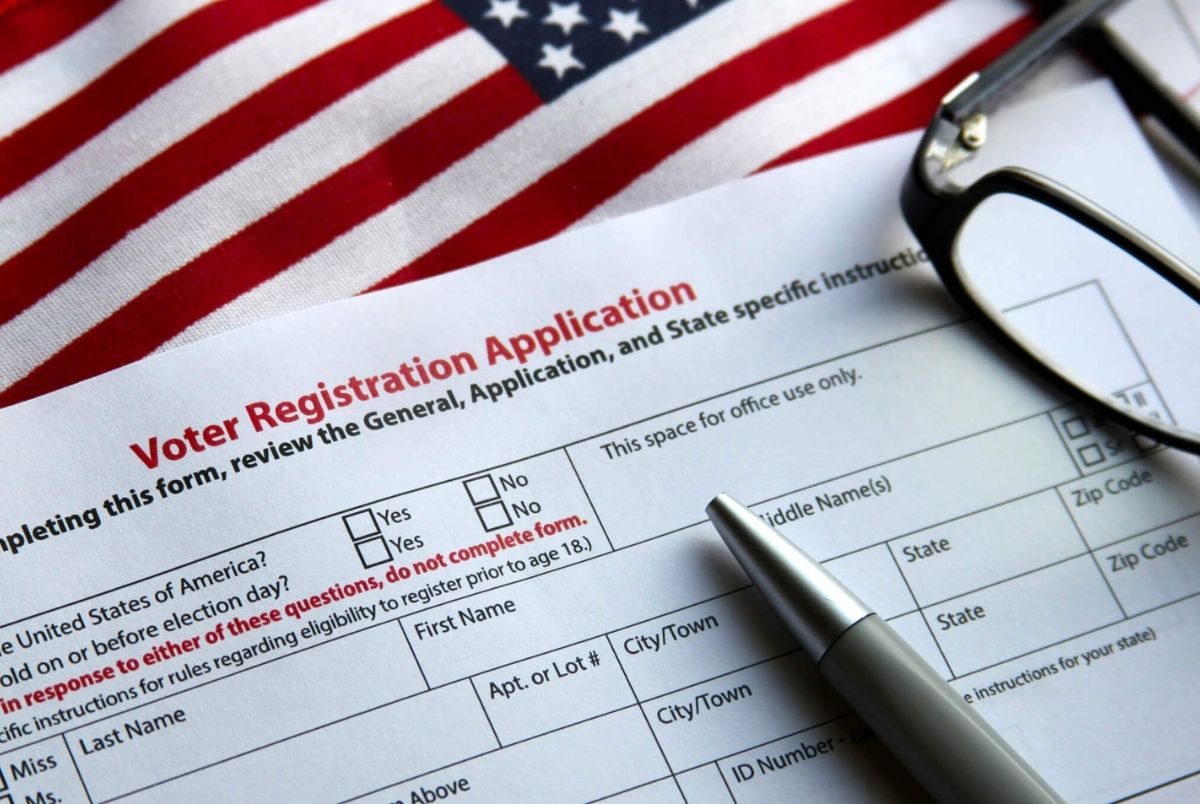
Can you imagine the whining of ordinary entitled citizens being drafted today? Although every 18 year old male today must register for selective service, I wonder who
actually complies, that appears to be a secret, not like in Elvis’ day.
People like cashes clay clam to be the greatest boxer but to scared to protect his country and family.I call that a coward