
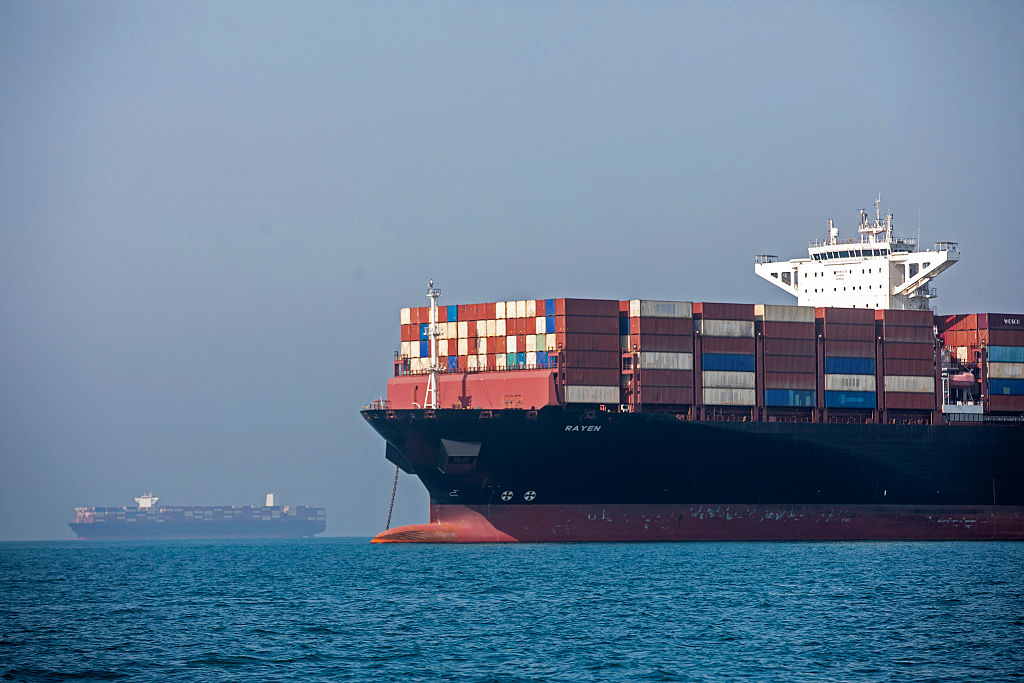
Oil prices fell to their lowest levels since before the outbreak of the Iran war on Thursday as tanker traffic through the Strait of Hormuz continued to recover, signaling that crude exports from the Gulf are steadily returning to normal and easing prolonged supply disruption fears.
Brent crude futures for August delivery fell about 1.4 percent to around $72.70 a barrel in early morning trading on June 25, while U.S. West Texas Intermediate (WTI) dropped about 1.1 percent to below $70. Prices have now fallen for four straight sessions, wiping out all of the gains recorded since the conflict began.
The decline comes as confidence grows that a preliminary U.S.–Iran peace agreement reached last week will hold, allowing oil shipments to resume through one of the world’s most important energy chokepoints.
Analysts said the market is increasingly pricing in a rapid return of Middle Eastern crude supplies, outweighing concerns over broader geopolitical risks.
“The speed of this decline has caught plenty off guard as markets price in a much faster return of Middle Eastern barrels than most had anticipated,” IG market analyst Tony Sycamore said in a research note.
The market’s near-term outlook also turned more bearish, with August Brent crude trading below September futures, a pricing structure known as contango that typically reflects ample short-term supplies.
“Refineries in the East have already been well supplied for the next two months and have no need for the incremental barrels, leading to a very weak market and Dubai spreads in contango,” said June Goh, a senior oil market analyst at Sparta Commodities.
Tanker Traffic Accelerates
Shipping data pointed to a sharp recovery in vessel movements through the Strait of Hormuz, where exports had been severely disrupted during the conflict.
According to maritime analytics company Windward, confirmed transits through the strait jumped 48 percent on Wednesday to 31 vessels, nearly 50 percent more than the previous day.
More than half of inbound ships are now using a newly established southern traffic lane coordinated by Oman and the International Maritime Organization (IMO), while outbound vessels have resumed using the central corridor without naval escorts.
Windward said commercial operators are increasingly routing ships independently, allowing a backlog of delayed tankers to clear, including a South Korean very large crude carrier that had remained stranded in the Gulf since the early stages of the conflict.
“Normalcy is returning, but high-risk links remain on the radar,” the company said in a June 24 post on X.
Windward analysts separately estimated that traffic has recovered to between 35 and 40 vessels per day, roughly triple recent lows, although still well below pre-conflict levels of more than 130 daily crossings.
U.S. Energy Secretary Chris Wright said on Wednesday that 72 ships carrying approximately 20 million barrels of crude had transited the strait during the previous 24 hours, describing flows as having effectively returned to pre-war levels.
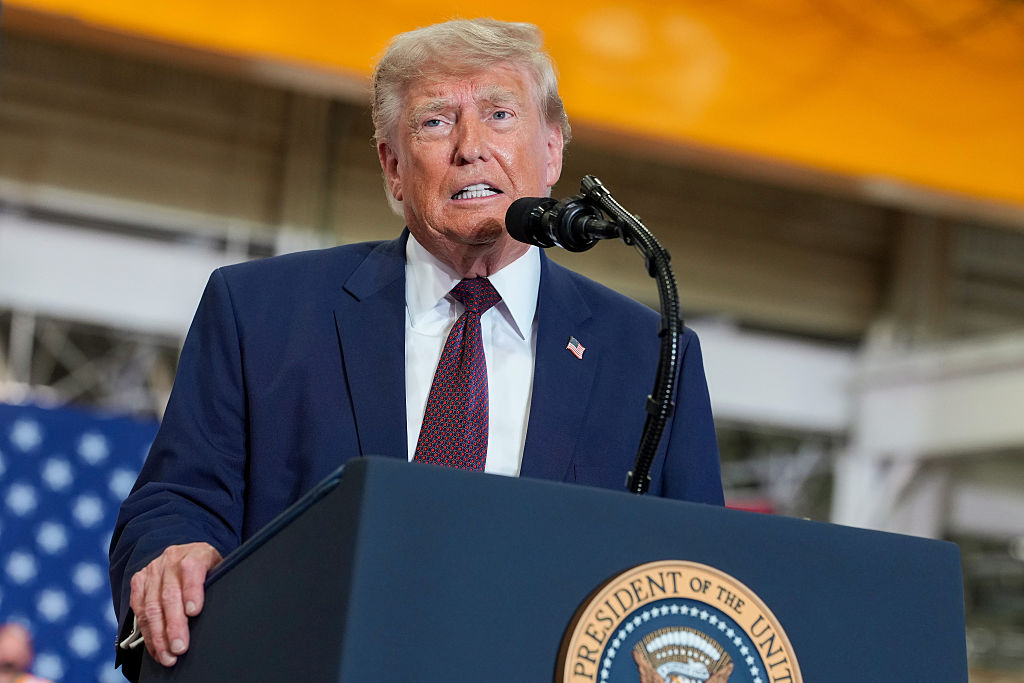
“Thank you President Trump and the U.S. military,” Wright wrote in a social media post, in a possible nod to the pressure exerted on Iran by the U.S. naval blockade and U.S. President Donald Trump’s role in pushing for a memorandum of understanding between Washington and Tehran that, when signed last week, reopened the Strait of Hormuz to commercial shipping.
The memorandum, which established a 60-day window for negotiations to continue on outstanding issues like Iran’s nuclear program and broader sanctions relief, included a lifting of America’s naval blockade of Iranian ports and a temporary waiving of sanctions on oil exports by Tehran, further boosting global crude supply.
A full return to normal shipping operations will still require several weeks, Wright told a forum on Wednesday, as parts of the waterway continue to require mine-clearing operations.
The recovery in shipping has coincided with increasing supplies across global crude markets.
Traders reported a surge in offers of Middle Eastern crude, while exports from West Africa and other producing regions have also increased.
ING analysts said recent price movements suggest investors expect oil flows from the Persian Gulf to recover much faster than previously anticipated.
“Oil prices continue to move lower as flows from the Persian Gulf start to recover,” ING’s Warren Patterson and Ewa Manthey wrote in a Wednesday note. “Price action suggests the market is assuming a rapid recovery in traffic through the Strait of Hormuz.”
Even so, ING analysts cautioned that the recent selloff may have gone too far.
“We continue to believe that the oil sell-off is overdone, with the market still tightening,” Patterson and Manthey wrote.
They noted that vessel traffic has improved but remains below pre-war levels, suggesting the recovery is still incomplete.
Tom Ozimek is a senior reporter for The Epoch Times. He has a broad background in journalism, deposit insurance, marketing and communications, and adult education.
Reprinted with permission from The Epoch Times.
The opinions expressed by columnists are their own and do not necessarily represent the views of AMAC or AMAC Action.






How long before Iran shuts it down again…? And again. And again Rinse and repeat.
I won’t be happy until it gets back to pre war prices in 1970. .20 or .25 per gallon.I liked it!
I occasionally get a complementary issue of The Epoch Times. It’s a great paper to read.
We’re still ar Biden level costs, in my state, 4.56 per gallon. Hope the stations are not recouping their cost of the last three months,ie gouging us. Again, I am so glad President Trump stopped the nuclear threat and shut the mouths of those who kept saying,”death to America. Just a thought
Except in California. We’re still sky-high over here at over $5 per gallon…
I am wondering how long will it take for the gas prices to drop. The prices rose immediately when the Strait was closed and I’ll guess that the prices will never drop back to the price prior to the closure of the Strait.
This whole thing is interesting when you realize that none of the oil passing through the Strait of Hormuz is used to produce gasoline in the U.S. Americans put up with this type of insanity while our politicians on both sides of the aisle sit there with their thumbs up their backside and do nothing.
But Iran just attacked a Cargo Vessel today , in the Strait of Hormuz . So Oil Prices may not hold for long .
The oil companies don’t care if the straits are open or closed. Gas is still $1 per gallon higher, than it was before closure.
What makes no sense is that although price per barrel has decreased, prices at the pump have not! Whenever a crisis causes price increases, immediately prices jump. On the flip side, price fall at snail’s pace. Who’s benefiting is my Q?
News media said that Iran attacked a cargo ship today, so the Strait is still a problem? and this might make Trump go to his plan B….that he already warned Iran he would do.
Do not trust the Muslim Brotherhood.
Meanwhile the industry is still gouging us at the pumps!