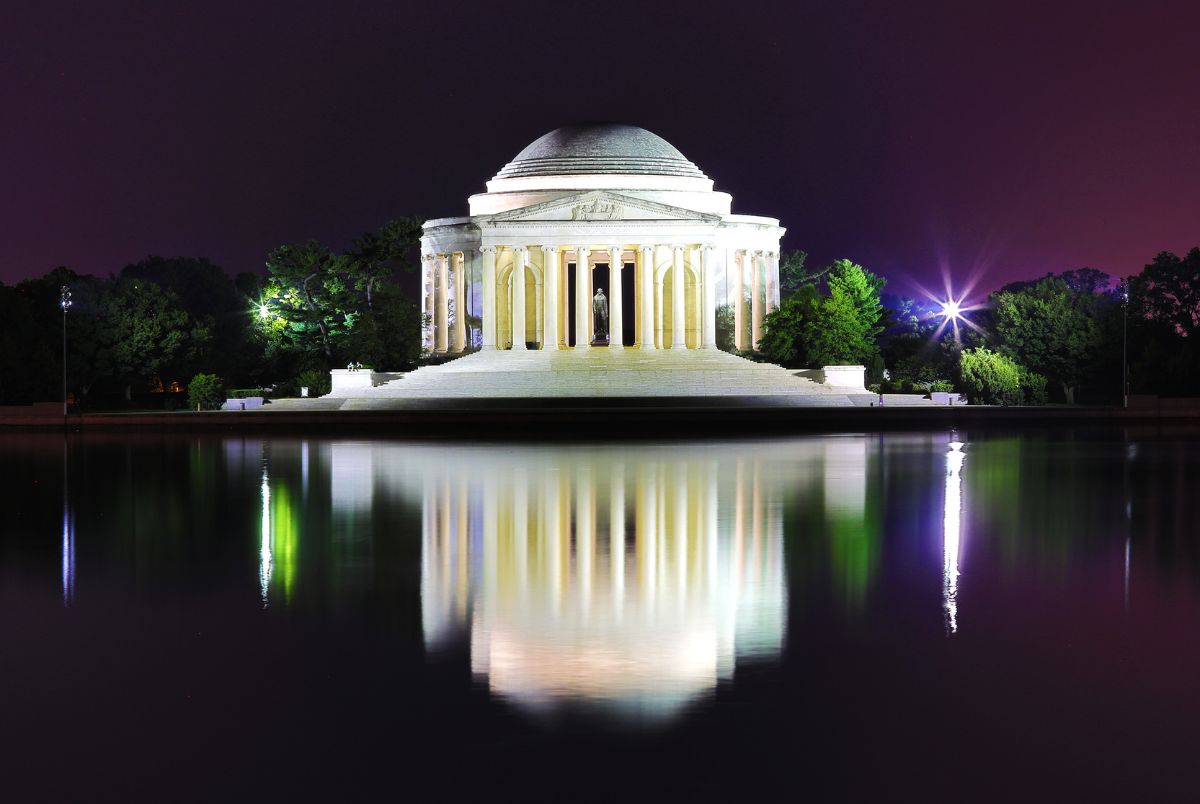
On April 13, 1943, the dedication of the Thomas Jefferson Memorial marked a powerful moment of national reflection and resolve, held on the 200th anniversary of Jefferson’s birth during the height of World War II. Set against the Tidal Basin in Washington, D.C., the ceremony unfolded beneath overcast skies and fading cherry blossoms, lending a solemn tone to an event that blended patriotism, remembrance, and urgency.
The program began with formal remarks and an invocation, followed by a stirring rendition of the national anthem by renowned soprano Grace Moore. A dramatic highlight came when the statue of Jefferson—initially concealed by flags—was revealed to the crowd. In a symbolic gesture linking past and present, the unveiling cords were pulled by a young descendant of Jefferson, representing the enduring legacy of the Founding Father.
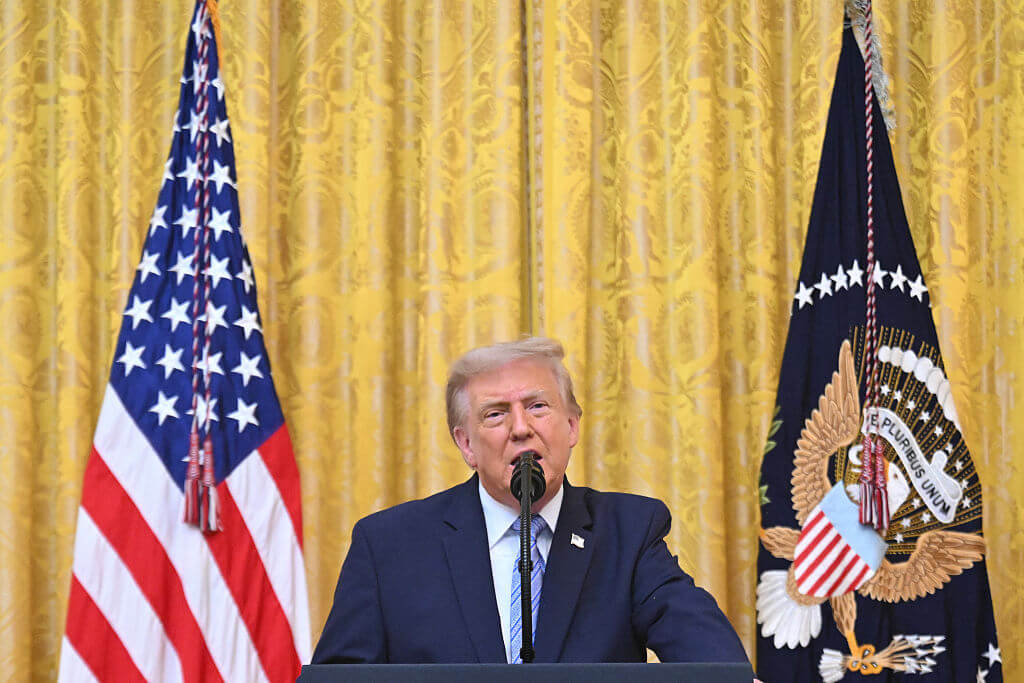
President Franklin D. Roosevelt delivered the keynote dedication address, framing the memorial as both a tribute and a call to action. He described it as a “shrine to freedom” and emphasized that honoring Jefferson was a long-overdue recognition of his contributions to American ideals. Roosevelt drew direct parallels between Jefferson’s role in securing independence and the contemporary struggle facing the United States in World War II. He reminded listeners that liberty must be actively defended, underscoring the relevance of Jefferson’s philosophy in a time of global conflict.
The dedication ceremony was not merely commemorative—it was deeply political and inspirational. With the nation fully engaged in war, Roosevelt used the occasion to reinforce themes of sacrifice, unity, and democratic purpose. The memorial itself became a symbolic anchor, connecting the founding principles of the United States to the ongoing fight to preserve them.
Though the structure was completed in 1943, the iconic bronze statue of Jefferson would not be installed until 1947 due to wartime material shortages. Even so, the memorial’s opening solidified its place among the nation’s most important landmarks, joining others on the National Mall in honoring the architects of American democracy.
Ultimately, the dedication of the Jefferson Memorial served as both a tribute to one of America’s most influential thinkers and a reaffirmation of the ideals he championed—liberty, equality, and the pursuit of happiness. In a moment of uncertainty and conflict, the ceremony reminded Americans that the principles forged at the nation’s founding remained vital, enduring, and worth defending.