
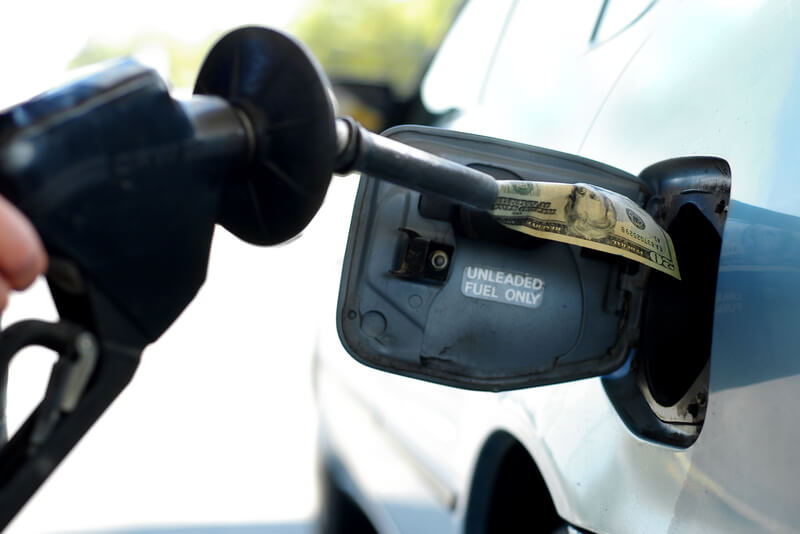
Consumer scams involve deceptive practices designed to unlawfully trick, mislead, or take advantage of individuals. In these schemes, victims are typically manipulated into making payments that far exceed the value of the goods or services they receive. Frequently, consumers innocently believe that they are involved in valid transactions. These scams can also include identity theft and other types of fraud, all of which rely on unethical and dishonest tactics to exploit victims. One scam that is rapidly increasing in frequency is gas pump switching. Being aware of this scam and understanding how to respond if you are targeted is crucial in protecting yourself from financial loss and exploitation.
Anyone Can Fall Victim to Scams
Consumer scams reached a critical high as reported by the Global Anti-Scams Alliance and Feedzai in 2025, with approximately 57% of adults worldwide reporting being targeted or scammed in the past year. This means that even the most careful individuals can become targets of scams. While it’s natural to believe that being smart and vigilant is enough to avoid falling for a scam, the reality is that scammers are highly skilled at deception. Their tactics are constantly changing and adapting, making it increasingly difficult for consumers to recognize fraudulent schemes. It’s important to stay alert and informed, as anyone could potentially become a victim.
Gas Pump Switching Scam
The gas pump switching scam is becoming increasingly common, particularly in states where drivers pump their own gas. While scammers often target women more frequently with this scheme, anyone can fall victim. Understanding how this scam works is essential for protecting yourself at the pump.
Here’s how it happens:
Imagine you pull up at a gas station, ready to fill up your car’s tank. A stranger, who is really the scammer, approaches and offers to help pump your gas. Even if you decline and choose to pump the gas yourself, the scammer lingers nearby. After you finish, the stranger says, “I’ll put it back on the gas pump for you.” Trusting their gesture, you agree and watch as they appear to return the nozzle to the pump. You may even feel compelled to tip them for their help. Once you drive away, you may not realize that you have been scammed.
How it works:
In this scam, the perpetrator does not fully return the nozzle to the pump after you leave, which keeps your transaction active. The scammer then uses your open transaction to pump gas for other customers in exchange for cash, leaving you to cover the cost. Many victims only discover the scam when they notice excessive charges on their account.
Choosing their targets
Scammers frequently target drivers at self-service stations. They often seek out those who appear more vulnerable, such as elderly individuals who may be more open to accepting help, or women traveling alone who might feel intimidated about refusing assistance.
Scammers are persistent
Even when victims decline the offer to pump gas, scammers may remain nearby, attempting to distract them or forcibly take the nozzle. To help protect yourself from becoming a victim, consider the following 10-step precautions:
- Strictly use pumps at trustworthy gas stations featuring security monitoring, the presence of attendants, and decent lighting at night.
- Monitor your gas level and avoid letting your tank get so low that you must stop at stations in unfamiliar or potentially unsafe areas.
- Pay attention to signage about potential scams. For instance, a gas station sign may read, “This gas station has no service attendants,” “Do not leave your pump,” or “Warning: Do not let others fill your tank.”
- If you arrive at a self-serve pump and notice strangers loitering, or you feel unsafe, don’t take the risk. Go to a different gas station and/or report the activity to the police.
- If a stranger approaches you at a self-serve pump, do not allow them to handle the nozzle or pump gas for you. Firmly decline offers to help.
- If a stranger persists in helping you, and you feel uncomfortable, end your transaction yourselfand leave. Do not hand the stranger the nozzle. If you feel threatened or unsafe, call 9-1-1.
- After pumping gas, always replace the nozzle yourself and check that the transaction screen returns to the welcome or payment prompt, confirming your transaction is closed.
- Request and review your receipt to verify the amount you were charged for your gas purchase.
- Go one step further and review your banking history to ensure that your banking institution has charged you the proper amount.
- If you discover you’ve been scammed, report it promptly to your banking institution or credit card issuer and take steps to protect your account.
Notifying the Police
As a rule: If you ever feel threatened or harassed, or see suspicious activity at the pumps, call 9-1-1 immediately. This can help protect yourself and others from potential scammers.
Six Other Common Consumer Scams to Avoid
Consumers should remain vigilant against various scams that are designed to trick unsuspecting individuals. Below are six more scams that everyone should be aware of and take steps to avoid:
- Gas Pump Skimming: Devices placed on gas pumps can steal your credit or debit card information when you pay at the pump.
- Fake Charities: Scammers may pose as charitable organizations, especially after disasters, to collect money that never reaches those in need.
- Phony Tech Support Calls: Fraudsters call claiming your computer has a virus and request remote access or payment for unnecessary services.
- Online Shopping Scams: Counterfeit websites offer products at low prices but do not deliver the items or steal your payment information.
- Lottery or Prize Scams: You are told you have won a prize or lottery and are asked to pay fees or provide personal information to claim your winnings.
- Impersonation Scams: Criminals pretend to be government officials, family members, or friends to persuade you to send money or share sensitive data.
By staying informed and cautious, consumers can better protect themselves from falling victim to these common scams.
AI-Powered Scams: How Technology is Changing Fraud
With the rapid evolution of technology, scammers are increasingly adopting advanced methods to perpetrate fraud. These tactics include AI impersonation, voice cloning, and deepfake videos, making it easier for criminals to deceive unsuspecting victims. Additionally, sophisticated investment fraud, employment scams, and banking fraud are becoming more prevalent. Professional scammers, who make a living from these activities, now use a combination of technological innovations and emotional manipulation to target individuals.
The Growing Impact of Technology on Scams
Advancements in technology have enabled scammers to reach vast numbers of people, increasing the pool of potential victims. According to Great Northwest Federal Credit Union, U.S. consumers lost over $12.5 billion to fraud in 2024. Interestingly, they point out that while the number of reported cases has remained relatively stable, the financial losses have continued to rise. This trend suggests that scams are not only becoming more frequent, but also more effective at extracting money and personal information from victims.
Barriers to Reporting and the Importance of Action
Many scam victims do not report their experiences due to embarrassment, fear, guilt, or the stigma associated with being deceived. This reluctance allows scammers to continue their activities unchecked. However, the most effective way to combat fraud is through reporting. By sharing information about scams and alerting authorities, consumers can help prevent others from falling victim and contribute to stopping evil scammers.
Where to Report Fraud
- To your banking/credit card institution:
If you believe you have been targeted by fraud, it is important to take appropriate steps to report the incident. The reporting process may differ depending on the nature of the incident. If banking or credit card accounts are involved, you should immediately contact your bank or credit card provider. They can identify the issue and guide you through the necessary actions to protect your accounts and resolve the problem. It’s also helpful to set up fraud alerts and gain protection for the future.
- To the authorities:
In situations involving financial or property theft, you may also be required to file a report with local law enforcement to document the crime and initiate an official investigation. Threats made by scammers should also be reported to the police.
- To the FTC:
The Federal Trade Commission, (FTC) primarily addresses consumer-facing theft, with a heavy focus on identity theft and fraudulent business practices and uses its administrative and civil authority to help stop scammers. In addition to aiding and supporting victims of scams, they also work toward educating the public on scam prevention. Visit: Reportfraud.ftc.gov
The Serious Impact of Scams & How you can help
Scammers are often indifferent to the consequences of their actions, even if it means taking the last dollar from their victims. For individuals living paycheck to paycheck, falling prey to a scam could mean being unable to afford necessities such as groceries. You can make a difference by educating your friends and family on scams. Sharing information about current scams, such as those described in this article, can help raise awareness. By staying vigilant and spreading the word to friends, family, and the broader community, you can help safeguard yourself and others from potential scams.
A Recap: Gas Pump Switching and Other Consumer Scams
Scammers are constantly adapting and employing advanced strategies to target more individuals. Staying on top of the newest and latest consumer scams is a great line of defense. To recap, the gas pump switching scheme has been reported in various locations across the country. In this swindle, a perpetrator interferes with a person as they are pumping gas and deliberately fails to return the nozzle to the pump. This allows the scammer to use the activated pump to fill other people’s gas tanks for cash, while the initial victim continues to be charged for the fuel dispensed. Understanding the nature of this and other fraud, taking the appropriate steps to stay protected, reporting scams, and educating others can go a long way toward stopping scammers and keeping you and those around you safe.
Disclosure: This article is for information only and does not replace professional advice.








It seems to me that the safest thing would be to always request a printed receipt and don’t leave until you get one. Once the pump prints the receipt, the transaction is over.
Or you can just say no thank you, or just pull away and get gas elsewhere.
I am surprised you aren’t mentioning anything about changes in the lineup of grades of gas to choose from. In my area, when you pick your gas, it goes from left to right, Regualr, Plus, and Premium. I pulled into a Chevron station in McMinnville Oregon that recently had new pumps installed. When I went to pull out the hose handle that has always been Regular gas, I noticed that I was now choosing Premium grade, which in our area can be as much as 60 cents more per gallon. I had to cancel my transaction and start over and chose the far right side which now was Regular. Keep your eyes open people, unless you want to pay premium prices.
If he scammer dies to force the nozzle from you pour some gas on them.
I always get a printed receipt at the pump. The scammer can not produce that receipt.
If you are too lazy or don’t know how to pump your own gas then maybe you shouldn’t
be driving.