Every year on March 17th, people around the world wear green, attend parades, and celebrate Irish culture in honor of St. Patrick’s Day. What began as a religious observance in Ireland has grown into a global celebration filled with music, food, and festivities. Understanding the history of St. Patrick’s Day reveals how a centuries-old tradition transformed into one of the most widely recognized cultural holidays in the world.
The Life of St. Patrick
St. Patrick, the patron saint of Ireland, was not actually Irish. He was born in Britain in the late fourth century, likely around 385 AD. As a teenager, he was kidnapped by Irish raiders and taken to Ireland, where he was forced into slavery as a shepherd.
During his captivity, Patrick turned to Christianity for comfort and guidance. After six years, he reportedly escaped and returned to Britain. According to tradition, Patrick later experienced a vision calling him back to Ireland as a missionary.
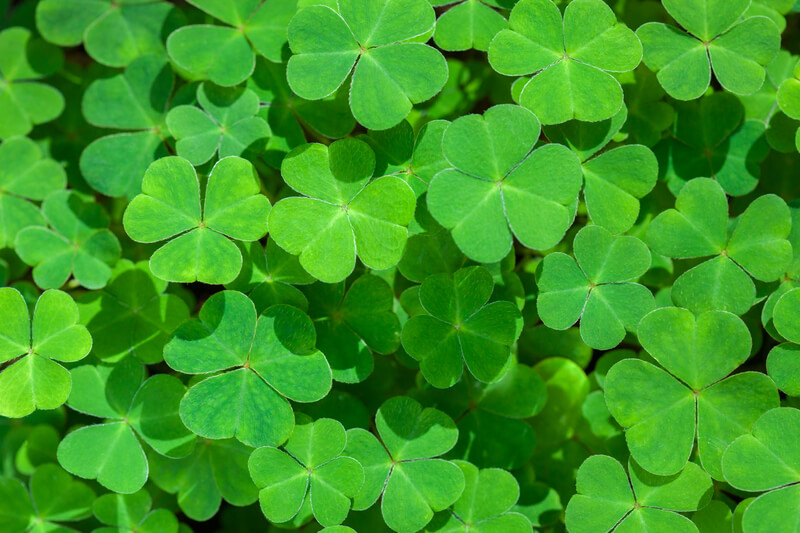
He returned to Ireland as a Christian bishop and spent many years traveling throughout the country, spreading Christian teachings. St. Patrick is credited with helping to convert many Irish people to Christianity and establishing churches, schools, and monasteries. One of the most famous legends associated with him is that he used the three-leaf shamrock to explain the concept of the Holy Trinity—Father, Son, and Holy Spirit.
St. Patrick died on March 17th, believed to be in the year 461 AD. This date later became the day set aside to honor his life and legacy.
A Religious Feast Day
For centuries, St. Patrick’s Day was primarily a religious observance in Ireland. In the early 1600s, the Catholic Church officially designated March 17th as a feast day to commemorate St. Patrick. The day was traditionally marked by attending church services and spending time with family.
Because the date often falls during the Christian season of Lent, St. Patrick’s Day provided a brief pause in fasting and restrictions. Families would celebrate with special meals, often featuring traditional Irish foods.
Interestingly, early celebrations were far quieter than today’s festivities. In Ireland, pubs were even required to close on March 17th for much of the 20th century to preserve the religious nature of the holiday.
The Role of Irish Immigrants
The transformation of St. Patrick’s Day into a lively public celebration largely happened outside Ireland—particularly in the United States.
During the 18th and 19th centuries, large numbers of Irish immigrants arrived in America. Many fled Ireland during the Great Famine of the 1840s. These immigrants brought their traditions with them and began celebrating their Irish heritage through community gatherings and parades.
The first recorded St. Patrick’s Day parade actually took place in the United States, not Ireland. In 1762, Irish soldiers serving in the British army marched through New York City to celebrate their homeland. Over time, these parades grew into major public events organized by Irish-American communities.
St. Patrick’s Day became a way for immigrants to celebrate their identity and strengthen their communities. The parades, music, and public gatherings helped Irish Americans take pride in their heritage during a time when they often faced discrimination.
A Global Celebration
By the 20th century, St. Patrick’s Day had evolved from a quiet religious feast into a global cultural celebration. Major cities around the world began hosting large parades and festivals honoring Irish heritage.
New York City now holds one of the largest St. Patrick’s Day parades in the world, drawing millions of spectators each year. Chicago famously dyes its river green to mark the occasion, while cities from Sydney to Tokyo host their own celebrations.
Ireland itself also embraced the festive spirit in recent decades. In 1996, the Irish government launched the St. Patrick’s Festival, a multi-day cultural event that highlights Irish music, art, food, and traditions.
Symbols and Traditions
Many symbols commonly associated with St. Patrick’s Day have roots in Irish history and folklore. The shamrock, for example, remains one of the most recognizable symbols of Ireland and is linked to St. Patrick’s teachings.
Wearing green has also become a popular tradition, reflecting Ireland’s nickname as the “Emerald Isle.” Leprechauns, though more connected to Irish folklore than the saint himself, have also become part of the holiday’s playful imagery.
A Holiday of Heritage and Joy
Today, St. Patrick’s Day blends religious history with cultural pride and joyful celebration. For many people of Irish descent, it remains a meaningful day to honor their heritage and traditions.
Whether through parades, music, food, or simply wearing green, the holiday continues to bring people together around the world. What began as a modest religious feast day has grown into a vibrant global celebration of Irish culture, history, and community.