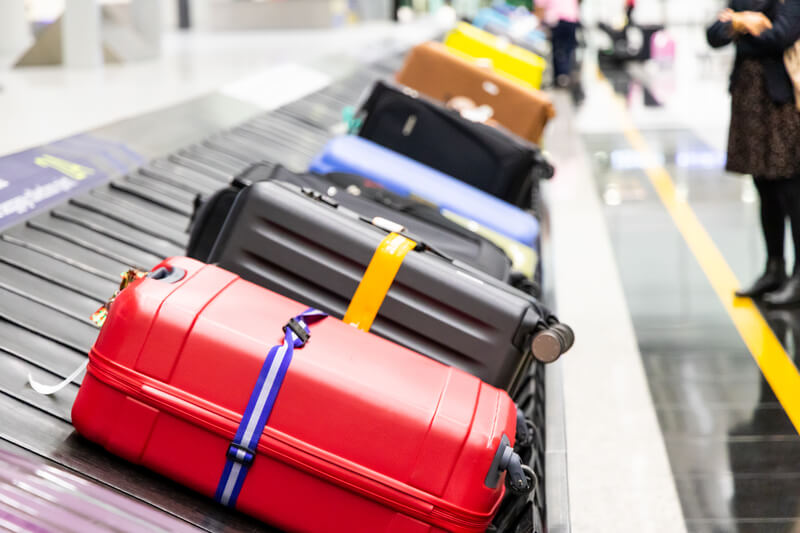
Travelers and their luggage are increasingly experiencing enhanced journeys. Outdated, heavy, and cumbersome suitcases will soon be replaced by advanced, technology-driven options that improve mobility and efficiency within airports. This article examines recent developments in luggage technology and highlights critical criteria for selecting the appropriate luggage—factors which can significantly influence the success of any trip.
Your Luggage Matters
Have you ever struggled with heavy, awkward, or malfunctioning luggage at the airport? Unfortunately, I have, and it’s no fun. Despite rushing, I missed my connecting flight after one of the roller wheels of my overfilled luggage unexpectedly snapped off. Had I packed less or used the appropriate size luggage for what I was bringing, I would have made my flight. If you have experienced something similar, you’ve learned that selecting the right bag is vital.
They’re More Than Just Pretty
Luggage is more than just an aesthetically pleasing accessory. To travel with ease, meet specific airline requirements, maximize packing potential, and gain technological benefits, choosing the right bag is key. For some travelers, this might mean saying goodbye to old, worn luggage – and hello to what’s new on the market! Here are the top considerations for choosing the right travel luggage, plus innovative & exciting features to consider.
- Size: Selecting the right size suitcase is essential for smooth travel. It enables you to pack, fit, and organize everything you’ll need to make your trip a success. For expert packing strategies, click here. (Internal link needed to our sister article.) The destination, activity, formality level, and length of a trip influence what to pack and what size luggage you’ll need. Airlines have strict regulations regarding bag dimensions, so always check the requirements for your specific airline for both carry-on and checked luggage. Per Travel & Leisure, “Although there may be minor variations of an inch or two between airlines, the standard carry-on luggage size limit is about 22 x 14 x 9 inches, including handle and wheels.” However, some airlines may make exceptions. Knowing the requirements allows you to avoid potential surprises, such as checked bag fees that range in price. Exclusive use of a carry-on has some benefits, mainly allowing people to pack lightly and board and deplane quickly, a time saver for people with tight connections. Carry-on luggage is also less likely to be lost since it is with you. People often pack a change of clothes, important medications, and a few toiletries in their carry-on – essential items needed should checked luggage be delayed or lost. Carry-on bags should comfortably fit in the overhead bin or under the seat in front of you, so compact bags are preferable. For lengthy trips, checked luggage is likely best. Most airlines use 62 inches as the maximum linear dimensions for checked luggage, the sum of the length, width, and depth of the bag, to include retracted handles and wheels. Besides following luggage requirements, travelers are typically permitted to also bring one personal item such as a handbag, briefcase, or small diaper bag, subject to specific airline regulations. To recap, choosing the right size luggage determines how much a person can sensibly pack and transport. Staying within airline guidelines helps to save money by avoiding extra fees. Also note that the number of bags a person is permitted to bring varies per airline and economy vs. upgraded seating status.
- Weight: Airlines also regulate and weigh luggage and charge for overage. Per Going.com, “The standard weight limit for checked luggage is usually 50 lbs (23 kg) for most airlines. For overweight bags (51-70 lbs), airlines often charge extra fees. Some airlines may accept bags up to 70-80 lbs, but these may come with higher fees or restrictions.” Verify your carrier’s specific requirements to avoid additional fees. Old, traditional suitcases are often much heavier than new versions. And, they may be poorly designed for today’s travel, lacking features like side handles that make them easier to lift. Heavy baggage can also be cumbersome to handle and haul. Large bags are generally heavier than small ones, but what’s put inside also counts, rendering efficient packing crucial. Due to dated material and design, some old suitcases are heavy to begin with, absent any added weight. Even with careful packing, heavy luggage can prompt extra airline fees and/or require special handling. Selecting lightweight luggage provides practical benefits, facilitating easier lifting into vehicles and retrieval from the baggage carousel. If you buy new luggage, prioritize options that are lightweight to maximize interior packing capacity, avoid airline overage fees, and make for easy transport.
- Materials: Luggage materials matter as they contribute to sturdiness and help to safeguard contents. Per Viva Glam Magazine, “Many lightweight luggage options are constructed from durable materials like polycarbonate, ensuring longevity and resisting damage from rough handling.” Other popular luggage materials include Acrylonitrile Butadiene Styrene, aluminum, canvas, leather, nylon, polyester, and polypropylene. Luggage materials largely affect quality, durability, and price, so it’s a vital consideration. For instance, a polycarbonate suitcase might cost more, but it will likely offer impact resistance and improved protection. Travelers carrying laptops, computers, and other precious electronics will likely opt for extra interior padding plus water-resistant or waterproof outer materials. TPU-coated nylon or polyester or hardshell polycarbonate exteriors can help protect electronic devices from water damage.
- Design: Most luggage designers appeal to the current wants and needs of travelers. Thus, they are increasingly fitting their products with up-to-date technology. When buying luggage, worthwhile design features to invest in include:
- Smart Bag Features: Smart bags are all the rage today and most people will splurge on this new handy technology. But what exactly are smart bags? Per Asurion, “A smart bag is any piece of luggage – a carry-on, roller bag, backpack, etc. – that has one or more electric components like a power bank, charging port, tracking chip, or built-in scales, and in some cases, can even move through the airport on its own or convert into an electric scooter.” Today, most smart luggage brands offer smartphone apps so that people can create accounts and pair their luggage with the app via Bluetooth or Wi-Fi. Living in a highly connected computer world, other technologies such as Radio Frequency Identification (RFID) technology also provide extra security. The Internet of Things (IoT) technology is also helping people track their luggage in real time and control features remotely. This luggage offers travelers cool amenities and improvements. For instance, built-in USB ports allow people to charge their smartphones without fear of “juice-jacking.” People also like the ability to monitor the location of their luggage with GPS tracking plus get notifications when they leave their bag(s) behind. Other desirable features include weight sensors to avoid overweight luggage at the airport ticket counter. Baggage that converts to seating, cup holders, and built in iPhone stands, and anti-theft features are also in high demand.
- Anti-theft and lock features: Luggage protection is a top concern for many travelers. Built-in locks that are TSA approved for security checks are now common. These bags can be locked by owners and opened by airport security with a master key. Even newer technology offers fingerprint TSA locks which use biometrics to conveniently open luggage with a touch of the finger. However, privacy concerns exist regarding use of this type of technology. Bluetooth technology also allows people to open and close luggage via their smartphone. Self-locking zippers and magnetic and double coil zippers are simpler technologies that can make it more challenging for thieves to breach bags quickly.
- Soft or Hard-Shell Protection: Soft or hard luggage is a personal preference, each offering some unique benefits. For instance, soft shell luggage, typically made of movable materials like nylon and polyester, has long been loved for its lightweight flexibility and ability to be easily stored. Soft shell luggage also offers affordable pricing for money-conscious consumers. Nowadays, consumers are leaning toward durable hard-shell luggage to better protect belongings. In addition to sturdy protection, advances in hard-shell finishes make this luggage increasingly scratch-resistant and desirable. As a bonus, hard-shell is much easier to clean. The outer casing is not as porous and absorbs less stains and odors than soft shell luggage. It can simply be wiped down with a damp cloth after each use. Newer hard-shell luggage also focuses on interior organization, such as featuring smart storage for easy packing and expandable wet and dry compartments ideal for beachgoers and active people.
- Function: Per Tsxluggage.com, “In modern travel, luggage is not just a simple carrier for personal belongings; it has evolved into an essential item that requires careful consideration of ergonomics to enhance the user experience.” Furthermore, they explain, ergonomics in luggage design emphasizes interactions between the luggage and the traveler and considers details like physical comfort, ease of use, and overall functionality. The best ergonomic luggage is designed for comfort and maneuverability. Features like easy grip padded telescoping handles that extend and retract, and side handles for ease of lifting, make handling luggage easier. Wheels are another significant factor related to how well luggage functions. 360˚ spinner wheels to easily move luggage in multiple directions are vital for navigating large and busy airports. Handy compartments to hold travel documents, cell phones, earbuds, hand sanitizer and creams, and other travel items increase organization and deliver quick access to frequently needed objects. Luggage straps and expansion features increase functionality.
- Price: Per Top Consumer Reviews, cost of a basic medium suitcase ranges from $50 to $300 on average. Premium luggage typically begins at $200 and up, and luxury brands may sell upwards of $1,000. Some buying tips: While getting good value is important, understand that cheap luggage may not last, so it may be worthwhile investing in a well-designed quality brand that’s on sale. Most well-known name brands offer decent construction and warranties. Understand what is backed by or excluded from the warranty. Before buying your luggage, make price and feature comparisons, read product information (size, weight, style, color, materials, durability, etc.) and check product reviews. When shopping in person, always open luggage to test the zipper, and make sure the handles and wheels operate smoothly.
Which Luggage Should I Bring?
Multiple factors come into play when deciding what luggage to take when traveling. One must consider the duration and type of trip, climate and activities, and how much you feel comfortable transporting. For long trips, larger luggage pieces may be necessary. For short trips, an overnight carryon bag might suffice. Most seasoned travelers pack efficiently, taking care not to overpack and letting clothing do double duty. Packing efficiently and light is likely most desirable, particularly when luggage must be transported to numerous locations throughout the trip. While older luggage can have great sentimental value, it may not adhere to airline restrictions for size and weight, thereby costing you more money. Saying hello to new luggage can be beneficial if you’re looking to upgrade and gain new technologies and advances not available in old-time-worn pieces.
If you enjoy travel articles, check out our companion features, including Expert Packing Strategies and What You Need to Know About Travel Insurance.
Disclosure: This article is independently written, purely informational, and is not intended as a product endorsement or substitute for professional travel advice.
[adrotate banner=”1224″]