Why visit the Dolomites?
For adventure seekers, outdoor enthusiasts, seasoned travelers, or simply those who value natural beauty, the Dolomites represent a destination of exceptional significance and aesthetic appeal.
The Dolomites and the 2026 Winter Olympics
The 2026 Winter Olympics are underway in Milan and Cortina d’Ampezzo, Italy, with various events scheduled throughout Northern Italy, including Lombardy and the Dolomite region. While audiences largely tune in to watch elite athletes compete in disciplines such as freestyle skiing, snowboarding, and figure skating, viewers are also introduced to the region’s remarkable scenery. This provides an opportunity to explore the Dolomites—a mountain range renowned for its unique geological features and visual splendor.
Geological and historical significance
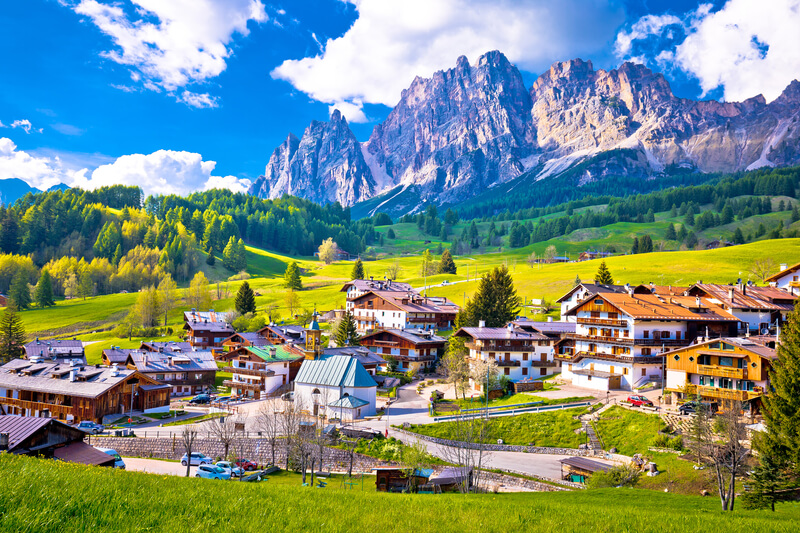
Located in northeastern Italy, the Dolomites—also referred to as the “Pale Mountains”—derive their name from the light-hued carbonate rock, dolomite, which characterizes the region. Known for their pink, red, and purple hues at sunrise and sunset, the Dolomite Mountains—named after French geologist Déodat de Dolomieu—cover about 6,155 sq. miles in the northern Italian Alps. The dolomitic rock found throughout the region was formed from coral reefs and algae in a prehistoric tropical ocean known as Tethys and lifted to their current height 250 million years ago. Renowned for their steep, jagged cliffs, they were designated a UNESCO World Heritage Site in 2009 for their universal significance.
A comparison
Marmolada, the highest mountain in the Dolomites, rises to 10,968 feet. By contrast, Mount Marcy, New York’s tallest peak, stands at 5,344 feet, highlighting the greater scale of the Northern Italian Alps.
Role in WWI
The Dolomites formed a harsh frontline between Italy and Austria-Hungary during World War I. Soldiers not only dealt with steep, difficult terrain but also endured the so-called “White War,” which exposed them to bitter cold and severe weather. The mountains feature “Iron Paths” (also called vie ferrate) that were originally built to aid troops; today, these routes attract hikers seeking a demanding adventure.
A cultural blend
The Dolomites are a geologically rich section of the Alps, known for dolomite and limestone peaks and colorful alpine meadows. Near Austria, the region blends Italian, German, and Ladin cultures, reflected in its unique cuisine combining Mediterranean dishes, pasta, and alpine foods like dumplings, sausages, and cheeses. The lesser-known Ladin Romance language and culture are part of the heart of the Dolomites, with origins traced back to the Latin of Roman soldiers and settlers. The blending of three distinct cultures creates a unique fusion unlike anywhere else in the world.
When to visit
The Dolomites offer year-round appeal, but the best time to visit depends on personal interests. Mid-June to October is ideal for hiking and outdoor activities, as well as for exploring local wineries. Winter better suits those seeking to ski, snowboard, visit holiday markets, and enjoy winter scenery. Spring may bring muddy trails and possible closures for hikers. Similarly, early fall snow can bring closure to some hiking trails and chairlifts popular in the region.
Getting to and around the Dolomites
Many visitors fly to Venice or Innsbruck and rent a car to explore the region or travel by bus. Transportation may be cut back during winter or during low tourist periods, so preplanning transportation is essential. The Dolomites stretch across several provinces and contain different towns and villages. Per Catsninelives.com, “The secret? Pick two or three good bases and explore from there. It’ll save you hours of frustrating backtracking – and give you a real taste of how wildly different each part of the mountains can feel.”
Long and winding roads
With 18 peaks rising to more than 10,000 feet and varied terrain, travel in the Dolomites can be time-consuming due to winding roads and frequent stops for photos. To cut down on driving time, choose a few towns for exploration or plan multiple visits to the area focused on specific tourist destinations or activities for each trip. You’ll also want to customize your vacation by choosing your preferred accommodation type, whether it be a luxury hotel, Alpine chalet, or guest home. Hotels in the region can be pricey, so do comparison shopping and consider Airbnb as an option. Note: Hotel suggestions made below are based on online rating reviews and are just a mini sampling of the variety of lodging options available near the Dolomites mountain range. Since conditions are subject to change, let your own research guide you.
Recommended base locations
Popular base locations highly recommend by travel experts include:
Alta Badia (San Cassiano, Corvara, Colfosco and La Villa)
Located in the upper part of Val Badia in South Tyrol, Alta Badia is an ideal getaway for travelers eager to immerse themselves in the Dolomite region. Here, ski lovers can enjoy top-notch slopes, while outdoor enthusiasts have access to pristine nature reserves and parks with scenic hiking paths. The area also boasts a rich culture, where residents take pride in their Ladin roots and continue to uphold age-old traditions through local artisan crafts. Here, foodies will enjoy pairing high-quality local Italian wines with the region’s outstanding dining scene to enhance the taste experience. Hotel suggestion: Colfosco’s Mountain Hotel Mezdì is described as extremely comfortable and spacious with a delicious breakfast. Just a short distance from the ski lift, travelers can also stay back and enjoy game rooms, heated pool, spa and steam room, shared lounge areas, and time it right to enjoy themed dinners with live performances.
Bolzano
Celebrated as “Gateway to the Dolomites,” this city base is best suited for people exploring without a car, as it offers easy bus access to major valleys. Balzano, capital of South Tyrol, is renowned for its remarkable Alpine landscape and medieval center highlighted by historic squares such as Piazza Walther. As a significant hub for tourism and commerce, the Alpine city offers attractions including the South Tyrol Museum of Archaeology, which houses Ötzi the Iceman. Additional notable sites include the Romanesque and Gothic Bolzano Cathedral, the impressive 13th-century Mareccio Castle, and Via dei Portici, a historic street featuring arcaded walkways. Hotel suggestion: For those seeking a boutique hotel experience, Eisenhut Boutique Hotel is an excellent choice. Located conveniently in Bolzano’s Old Town and within walking distance of the train station, this hotel offers mountain or city views, extra-long beds, a gym-equipped fitness center, flat-screen TVs, airport transfers, and more. Here, both charm and luxury blend seamlessly.
Cortina d’Ampezzo
Known as the “Pearl” and “Queen of the Dolomites,” this resort town is nestled along the Boite River and offers world-class skiing and hiking in the heart of the southern Dolomitic Alps region. Host to the 1956 and the 2026 Winter Olympics, Cortina d’Ampezzo features iconic peaks like Tre Cime di Lavaredo, extensive via ferrata routes, and serves as a prime base for exploring the eastern Dolomites, including the natural Lake Misurina. In summer, mountain biking is a popular activity, while the town also provides high-end shopping, art galleries, fine dining, and luxury accommodations for people seeking relaxation. Hotel suggestion: Hotel Serena Cortina boasts lovely Alpine ambiance with rooftop terrace, tastefully decorated rooms to fit vacationers’ needs, lobby fireplace, on-site restaurant, and idyllic views.
Val di Funes (Tiso, San Pietro, Santa Maddalena)
For a scenic and tranquil visit, Val di Funes offers breathtaking views of the Odle/Geisler peaks. A visit to this picturesque 24-km-long alpine valley in South Tyrol provides an enriching experience. It is particularly beautiful when the Alpine wildflowers are in full bloom in summer season or during winter when it becomes a real-life wonderland. A stroll through these charming villages enables visitors to see the iconic Santa Magdalena Church (Maddalena in Italian) and visit the small yet charming St. John in Ranui, with the Odle group as its backdrop. The valley is also known for South Tyrolean cuisine, including dumplings, speck, and world-famous apple strudel. Hotel suggestion: If you’re seeking a top-notch location with outstanding breakfast options, plus top-rated on-site restaurant and spa service, San Pietro’s Viel Nois Guest House gains high accolades.
Val Gardena (Ortisei, Selva, Cristina)
Located in the Dolomites of South Tyrol, Val Gardena is a top Alpine destination for first-time visitors. Ortisei provides cable car access to Seceda Mountain, known for its ridgeline and views. Trails and lifts lead to Alpe di Siusi, the largest alpine pasture in Europe. The area is popular for skiing, hiking, climbing, and has a strong woodcarving tradition. Notable sites include the Parish Church of Urtijëi with its unique collection of carved statues. Hotel suggestion: Gardena Grӧdnerhof – Hotel & Spa in Ortisei features top reviews, spacious rooms with scenic views, pools, acclaimed dining, world-class spa, and convenient ski access. What’s not to love?
Take an unforgettable journey to the Dolomites
The Dolomites, a UNESCO World Heritage site in Northern Italy, are known for their stunning limestone mountains and snowy peaks. The area offers hiking, world-class skiing in winter, and beautiful scenery for all visitors to enjoy – including charming towns, thrilling slopes, dramatic sunrises and sunsets, and turquoise lakes – all bound to leave an indelible mark on vacationers’ hearts. From their origins to involvement in this year’s Olympics, the Dolomites offer unique Alpine beauty that will stay in travelers’ hearts forever!
Disclosure: This article is purely informational and is not intended as a substitute for professional travel advice.
[adrotate banner=”1176″]