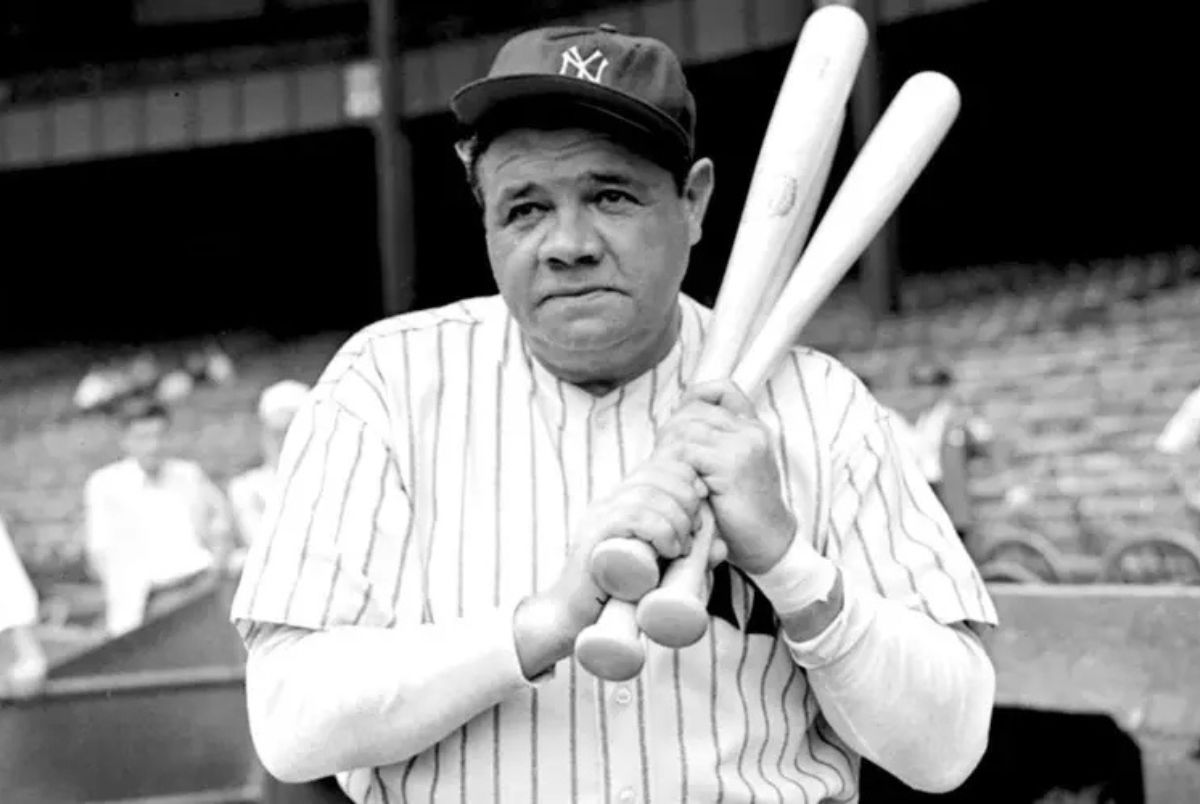
On January 29, 1936, baseball took a major step toward preserving its own mythology when the U.S. Baseball Hall of Fame announced its first-ever class of inductees. The inaugural five—Ty Cobb, Babe Ruth, Honus Wagner, Christy Mathewson, and Walter Johnson—weren’t just stars of their era; they were living shorthand for what early professional baseball valued most: dominant hitting, overpowering pitching, and larger-than-life celebrity. Their election helped formalize the idea that baseball’s history deserved a permanent home—and that its greatest figures should be enshrined as national icons.
The Hall of Fame itself was a relatively new idea. Plans for a museum devoted to baseball and its first century of history began in 1935, driven in part by civic ambition in Cooperstown, New York. A local private organization—the Clark Foundation—believed anchoring a major attraction in Cooperstown could help stimulate a Depression-era economy by drawing visitors and attention. This was also the period when the long-popular (and later widely disputed) legend connecting Cooperstown to baseball’s origins helped sell the concept of Cooperstown as the sport’s spiritual birthplace—making it the perfect setting for a shrine to the game.
To choose the first honorees, the Baseball Writers’ Association of America (BBWAA) led the voting, selecting the five names that best represented baseball excellence as Americans understood it in the 1930s. Cobb was celebrated as an unmatched hitter; Ruth as a transformational slugger with early pitching credentials; Wagner as a brilliant, versatile shortstop; Mathewson as a National League pitching legend; and Johnson as one of the most powerful arms the sport had ever seen. The goal wasn’t subtle: this first class was meant to feel definitive—an instant foundation of greatness that could anchor the museum’s reputation.
There’s also an interesting wrinkle in the timeline. While the election was on January 29th, the National Baseball Hall of Fame points out that although the votes were tallied by then, the institution recognizes February 2, 1936—the date the results were publicly released via an Associated Press story—as the official election date. Either way, the moment marked the start of an enduring tradition: honoring players, managers, umpires, and pioneers who shaped the sport. And it set a tone that still resonates today—Cooperstown as baseball’s memory, and the Hall as its highest form of recognition.
[adrotate banner=”1184″]