
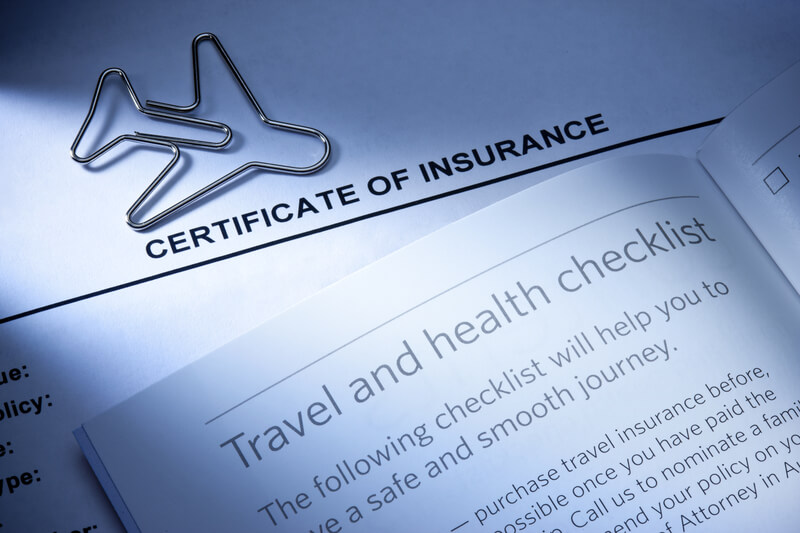
AMAC’s Celebrate America 250th Birthday Alaska Cruise provides an exciting opportunity to explore the marvelous 49th state. Some seniors may hesitate to take this trip of a lifetime due to fear of medical emergencies or concerns related to trip cancellation. Don’t let that concern hold you back from living your dream. Travel insurance provides the peace of mind you deserve. Read on to learn why it’s a must and discover how to find decent travel insurance that covers medical care and emergencies.
Travel Insurance
Travel insurance is a policy that protects people from financial losses incurred by unexpected travel problems, covering issues like trip cancellations, medical emergencies, and even lost luggage and travel delays. This policy typically costs between 5 and 10 percent of a trip’s price, with comprehensive plans offered to cover the gamit of issues that can occur. Many policies come with 24/7 assistance and are well worth the money for the peace of mind they provide. Let’s learn more about this valuable service!
How Do I Obtain Travel Insurance?
Gaining Coverage
A variety of travel insurance options are available. It is essential to distinguish between general travel insurance and coverage specifically designed for cruises. Comprehensive cruise insurance should include protection for medical events, cancellations, missed ships or ports, and related contingencies. Holland America and other cruise lines offer insurance plans that warrant consideration. Credit card companies like American Express also offer travel insurance to their customers. The key is to shop around for the best coverage and price – but stick to trustworthy insurance suppliers with coverage that meets your needs.
Using Reliable Travel Partners
For those specifically interested in the week-long AMAC Alaska Cruise in August, the dedicated staff at Inspiration Travel (888) 292-4284 can facilitate your reservation and address questions regarding travel insurance. Furthermore, AMAC collaborates with reputable and trustworthy travel partners who provide insurance services. Click here to learn more about this amazing benefit available to all AMAC members.
What’s Typically Covered?
Before purchasing travel insurance, understand what the policy covers by asking questions and reading the fine print. Most policies purchased from reputable sources are standard and straightforward. They typically cover:
- Unexpected trip cancellations. Here, travelers are reimbursed for basic non-refundable costs like flights and hotels should they have to cancel or cut short a trip due to illness or other covered reasons. Note that some exclusions may apply.
- Travel delays: This part of the policy covers expenses like meals and lodging should your trip be delayed.
- Medical emergencies: Medical emergency coverage is typically recommended for all travelers. Since senior citizens are at higher risk of injuries (like falls) than their younger counterparts, having medical coverage for trips is a must. This covers care should a person become sick or injured during travel.
- Medical evacuation: Be sure to get a policy that includes medical evacuation coverage. This policy enables people to be medically flown home for emergency care. Emergency evacuation also covers people who are hospitalized during their trip and need to get to a better hospital offering improved medical services.
- Baggage issues: This part of the policy covers lost, damaged, or delayed luggage and personal items.
- Cancel for any reason (CFAR): CFAR is an optional add-on travel policy that offers partial reimbursement for cancelling for typically non-covered reasons.
Rely on the Experts
When booking with a reputable travel agent, use their expertise to find the best policy. Look for broad coverage that includes cancellations, delays, baggage issues, and medical insurance—especially important for international or remote trips. Standard policies fit most travelers, but ask your agent about add-ons like cancellation for any reason, which may cover part of your trip. Eligibility can vary, so confirm with your insurance agent. Expect travel insurance suppliers to ask your age, destination country, the date of your trip, the state where you live, and your total trip cost. This information is needed to provide you with a quote.
[adrotate banner=”1222″]
Types of Travel Insurance
Different types of travel insurance to suit a variety of needs.
- Comprehensive travel insurance provides general benefits and protection to include trip interruption, cancellation, luggage issues, and emergency evacuation.
- Cruise insurance specifically covers cancellations, missed portions of the cruise, and evacuations when hospitalized at a port of call. It also covers certain medical conditions and identity theft.
- Single-trip travel insurance is a type of policy that’s good for one trip only, defined as leaving your home and then coming back, even if you visit multiple destinations.
- Multi-trip travel insurance is designed for multiple trips throughout the calendar year.
- Flight insurance coverage covers accidental death and dismemberment during a flight.
Here’s Why Travel Insurance is Worthwhile
Nobody likes to think about things going wrong during a trip. Travel insurance protects against financial losses and risks during travel. Depending on the policy, coverage may range from minor inconveniences to significant losses. It is important to select comprehensive coverage from a reputable insurance provider that offers competitive pricing.
What Does Standard Travel Insurance Typically Cover?
Here are basic examples – but confirm your coverage with your insurer.
It covers large travel expenses. Travel can be costly, so if your trip is non-refundable, consider travel insurance. If you cannot go on your vacation due to covered causes, most policies will reimburse you for expenses like flights and hotels – big expenses which are normally considered non-refundable. If you need to cancel your trip due to an unexpected illness, damage to your home, or a death in the family, travel insurance may provide relief and reimbursement for those prepaid funds that are lost.
It covers bad weather. When traveling to regions prone to storms, getting travel insurance that covers severe weather emergencies is advisable. However, it’s crucial to know which events are covered and which are not. If you can’t reach your destination because of a storm or must evacuate due to a hurricane, these situations may be included in your coverage. Remember that insurance must be bought before a storm is officially named. Also, understand that mild or predictable bad weather may not be covered.
It covers some preexisting conditions: Having a pre-existing medical condition like asthma or diabetes is another solid reason to buy travel insurance. Travel insurance can likely cover gaps in health insurance coverage for medical emergencies and medical transportation if you are out of the country. People are advised to check with their insurance company to determine what’s covered under their health plan and then buy medical insurance if needed.
It covers medical evacuation: You’ll also benefit from coverage to include medical evacuation– a must if you’re traveling to remote places with limited healthcare facilities, regions with poor medical services or technology, or places where language barriers can interfere with medical decisions.
Exclusions Can Exist
Risk-averse people will benefit greatly from travel insurance because it serves as a safety net for sudden and unexpected events or emergencies. But exclusions, or things that are not covered, exist. For instance, high-risk sports may not be covered unless you buy a policy offering extra coverage. Other things that might not be covered include trip cancellation due to war, terrorism, insurrection, and civil unrest. Pandemics and epidemics may also fall outside the realm of coverage. And, if you sustain injury while under the influence, medical travel insurance may not cover you. Mental and nervous health disorders and normal pregnancy are usually not covered.
Is Travel Insurance Absolutely Necessary?
A person who is in excellent health might assume that travel insurance is a frivolous expense. However, emergencies can happen to anyone at any given time or place. Travel insurance is highly recommended for non-refundable or expensive trips, especially for international travel or high-risk destinations. Short, local, or inexpensive trips usually don’t require travel insurance as it may not be cost-effective. Travel insurance generally costs 5-10% of your trip, but it’s a worthwhile investment as it can protect you from significant losses. It can also provide reassurance about your travel plans, delivering you the sound peace of mind you deserve when traveling.
Disclosure: This article is provided solely for informational purposes. It is not a substitute for professional travel advice or an endorsement for specific products and services.
[adrotate banner=”1222″]






I learned a lesson recently. I bought travel insurance (would NEVER travel without it), but cancelled my trip. The only “non-refundable” item on my itinerary was the $60 travel insurance. Next time I will buy it right before travelling.
We failed to buy travel insurance two years ago for a trip to a non-refundable gulf coast condo in Alabama for the month of January. My husband had a fall on the ice and broke some ribs two days before we were supposed to leave. Lost our vacation and over $3,000.00 Learned our lesson the hard way.
My son and I were going to Alaska last spring. The morning of our departure I was extremely sick. He went on the cruise and I went to the ER. I had a viral chest infection that lasted 21 days!! I was able to get back every cent I had put out including excursions. Best money I ever spent!