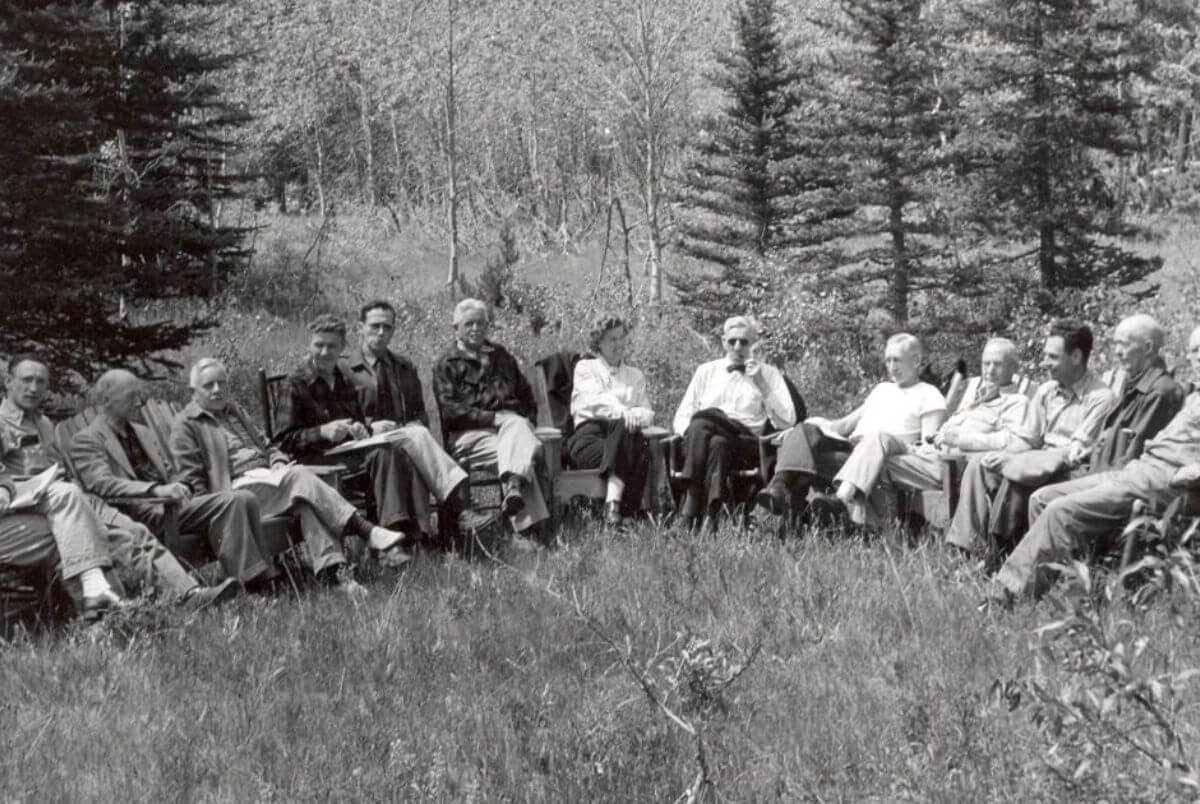
On January 21, 1935, a small group of visionary conservationists helped spark a movement that would reshape America’s relationship with its wild places: The Wilderness Society was founded. Born at a time when forests and public lands were widely viewed as resources to be logged, mined, dammed, or developed, the new organization pushed a different idea—one that sounds familiar today but was radical in the 1930s: some lands should remain wild for their own sake, protected for ecological health, solitude, and the human spirit.
The Society’s early momentum came from people who understood both the beauty of undeveloped landscapes and the speed at which they were disappearing. Bob Marshall, a forester and outdoorsman, is often described as the principal founder and a driving force behind the group’s creation. Alongside him were other influential figures in conservation history, including Aldo Leopold, whose writing and scientific thinking would later help define modern ecology, and Benton MacKaye, celebrated as the “father” of the Appalachian Trail concept. The Wilderness Society also counted Robert Sterling Yard, Ernest Oberholtzer, Harvey Broome, Bernard Frank, and Harold C. Anderson among its founding leaders—an alliance of writers, planners, scientists, and advocates united by a shared urgency.
What made this founding moment so significant wasn’t just the list of names—it was the mission. The Wilderness Society positioned itself as a national voice for wilderness, dedicated to organizing public support and influencing policy so that “wild” could be something the country deliberately chose to keep. Today, Conservation notes that the organization has grown into a major advocate with roughly 1 million supporters, reflecting how a once-niche idea has become part of mainstream environmental values.
From its earliest years, the Society’s work fit into a larger arc of American conservation: moving beyond scenic parks alone toward the protection of broader, connected landscapes—mountains, deserts, forests, wetlands, and roadless backcountry. Its founders recognized that wilderness isn’t simply “unused” land; it’s a living system that safeguards biodiversity, clean water, climate resilience, and cultural heritage, while also offering people quiet, challenge, and perspective.
Looking back, January 21, 1935, stands as a reminder that big environmental change often begins with a clear-eyed question: What, exactly, are we willing to leave untouched? The Wilderness Society’s founding helped ensure that the answer could be more than nostalgia—it could be law, policy, and lasting protection.
[adrotate banner=”1184″]