
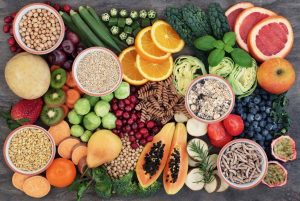
On January 7, 2026, the White House released its Dietary Guidelines for Americans, 2025–2030. Developed jointly by the U.S. Department of Health and Human Services (HHS) and the U.S. Department of Agriculture (USDA), the guidelines signal a clear break from the nutrition framework that has shaped federal policy for decades.
The announcement was made by Health and Human Services Secretary Robert F. Kennedy Jr. and U.S. Department of Agriculture Secretary Brooke Rollins.
The dedicated website, realfood.gov, states:
“Better health begins on your plate—not in your medicine cabinet. The new Dietary Guidelines for Americans define real food as whole, nutrient-dense, and naturally occurring, placing it back at the center of our diets.”
Secretary Kennedy (@seckennedy) explains:
“These guidelines return us to the basics. American households must prioritize whole, nutrient-dense foods—protein, dairy, vegetables, fruits, healthy fats, and whole grains—and dramatically reduce highly processed foods. This is how we make America healthy again.”
The written guidelines explain the urgency for change by describing the current state of American health:
“The United States is amid a health emergency. Nearly 90% of health care spending goes to treating people who have chronic diseases. Many of these illnesses are not genetic destiny; they are the predictable result of the Standard American Diet—a diet that, over time, has become reliant on highly processed foods and coupled with a sedentary lifestyle. The consequences have been devastating. More than 70% of American adults are overweight or obese. Nearly one in three American adolescents between the ages of 12 and 17 has prediabetes. Diet-driven chronic disease now disqualifies large numbers of young Americans from military service, undermining national readiness and cutting off a historic pathway to opportunity and upward mobility. For decades, federal incentives have promoted low-quality, highly processed foods and pharmaceutical intervention instead of prevention. This crisis is the result of poor policy choices, inadequate nutrition research, and a lack of coordination across federal, state, local, and private partners.”
As a result, the old Food Guide Pyramid (1992) has essentially been flipped upside down. The new framework emphasizes real food as the dietary foundation, with fruits, vegetables, proteins, dairy, and healthy fats at the top, along with limits on alcohol and ultra-processed foods.

What Are the Major Changes?
For the first time, the guidelines explicitly identify highly processed foods as a central driver of chronic disease. Dr. Mark Hyman notes:
“For the first time in my medical lifetime, the U.S. government has told the American people the truth about highly processed food. What is controversial is admitting this at the policy level, because highly processed foods are profitable, heavily subsidized, and deeply embedded in the American food system. Naming them represents not just a scientific shift, but a political one.”
The guidelines also raise daily protein targets to 1.2–1.6 g/kg/day (0.55–0.73 grams per pound). These recommendations support muscle preservation, healthy aging, metabolic health, satiety, and blood-sugar regulation. Dr. Hyman cautions that the upper end of this range is intended for people who regularly perform strength training and are focused on building or maintaining muscle mass.
The new guidelines also support full-fat dairy, correcting decades of unsupported low-fat recommendations; encourage water and unsweetened beverages; and recommend limiting alcohol intake.
The report includes guidance tailored to older adults and other special populations:
“Some older adults need fewer calories but still require equal or greater amounts of key nutrients such as protein, vitamin B12, vitamin D, and calcium. To meet these needs, they should prioritize nutrient-dense foods such as dairy, meats, seafood, eggs, legumes, and whole plant foods (vegetables and fruits, whole grains, nuts, and seeds). When dietary intake or absorption is insufficient, fortified foods or supplements may be needed.”
These new Dietary Guidelines mark a historic shift toward common-sense nutrition rooted in real, whole foods rather than processed products and pharmaceutical fixes. By prioritizing protein, nutrient density, and metabolic health while calling out ultra-processed foods for the harm they cause, the 2026 guidelines reflect what many doctors, dietitians, and health advocates have been saying for years. What do you think about this new direction for America’s nutrition policy? Do these changes reflect how you eat—or how you want to eat? Share your thoughts and join the conversation about the future of food and health in the United States.
