
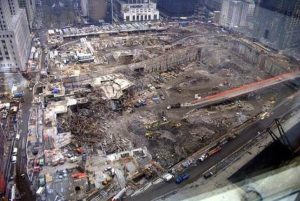
On May 28, 2002, the long and emotionally exhausting recovery effort at Ground Zero came to an end, marking a solemn milestone in the aftermath of the September 11 terrorist attacks. More than eight months after the collapse of the World Trade Center towers devastated New York City and the nation, workers removed the final pieces of steel and debris from the site where nearly 3,000 people lost their lives. The day was not one of celebration, but of remembrance, grief, and quiet reflection for the thousands of rescue workers, construction crews, police officers, firefighters, and volunteers who had labored tirelessly amid the wreckage since September 11, 2001.
The cleanup effort at Ground Zero was unlike any recovery operation in American history. Following the attacks, the 16-acre site became a mountain of twisted steel, shattered concrete, ash, and smoke. Workers operated around the clock in dangerous and emotionally draining conditions, searching for survivors during the first desperate days and later recovering remains, personal belongings, and evidence from the rubble. In total, crews removed approximately 1.8 million tons of debris over the course of the operation.
On the evening of May 28, a deeply symbolic ceremony took place as workers cut down the final standing steel beam from the ruins of the South Tower. Known as the “Last Column,” the massive 58-ton piece of steel had become a symbol of perseverance and sacrifice. Rescue and recovery workers signed the beam with messages, names, and tributes to fallen colleagues before it was wrapped in black cloth and an American flag. Bagpipes played as laborers, ironworkers, and emergency responders gathered together one final time in the pit that had defined their lives for months.
For many workers, the end of the recovery effort carried conflicting emotions. Some described the site as sacred ground, a place filled with painful memories but also extraordinary unity and purpose. Many had formed close bonds during months of grueling labor, while others continued grieving loved ones whose remains were never found. Even as the cleanup concluded, the emotional scars of Ground Zero remained raw for families, first responders, and New Yorkers alike.
Two days later, on May 30, 2002, an official ceremony formally marked the end of the recovery operation. Bells tolled, an empty stretcher draped with an American flag was carried from the site, and thousands stood in silence to honor the victims and those who risked their lives in the recovery effort. Although the physical cleanup had ended, the work of healing—and rebuilding both Lower Manhattan and the nation’s sense of security—was only beginning.
