
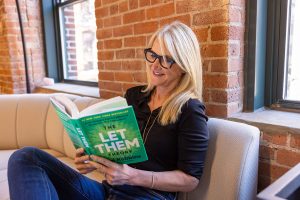
Readers often gain wisdom by learning from others’ experiences. Self-help books can support that growth with practical guidance for personal development, greater well-being, and everyday problem-solving. They can also help readers identify areas for improvement, strengthen motivation, and think, work, and relate to others more effectively. With so many options available, choosing a starting point can feel overwhelming. This guide features five approachable, practical books with useful strategies for common life challenges.
No single book has every answer, but the strongest self-help books offer fresh perspectives, relatable examples, and realistic steps readers can apply in daily life. People must be willing to make life changes to reap potential benefits. Here are why self-help books matter and my personal top five favorites.
Why Self-Help Books Count
Many people turn to self-help books because they want to understand themselves better, break unhelpful patterns, or make meaningful changes. These books can be especially valuable when they combine personal experience, practical advice, and research-based insight.
At their best, self-help books encourage readers to:
- Identify areas of life that need attention or improvement.
- Troubleshoot problems and consider new ways to respond.
- Increase motivation, self-awareness, confidence, and emotional resilience.
- Open the mind to perspectives that may not come from everyday experience.
My Personal Recommendations
1. The Let Them Theory by Mel Robbins
Mel Robbins’s Let Them focuses on a simple but powerful idea: stop wasting energy trying to control what other people think, say, or do. The book, co-authored by her daughter Sawyer Robbins, pairs the “Let Them” mindset with the “Let Me” response, encouraging readers to accept what is outside their control while taking responsibility for their own choices, boundaries, and next steps.
This book is especially useful for readers who struggle with control, people-pleasing, overthinking, comparison, or stress caused by other people’s behavior. Its strength lies in the way it turns emotional detachment into practical self-leadership.
About the author: Mel Robbins is a Dartmouth-educated lawyer turned life coach, motivational speaker, no. 1 New York Times bestselling author, and host of The Mel Robbins Podcast. A respected life expert, she is also the CEO of 143 Studios and co-founder of Pure Genius Protein.
My personal perspective: This book felt like a wake-up call. After reading it, I took away three important lessons:
- It is not my responsibility to fix everything.
- I cannot control or take responsibility for how other people behave.
- I can control my own choices, reactions, and responses.
The “Let Them” and “Let Me” concepts helped me accept people as they are instead of trying to change them. They also reminded me that I can choose how I respond, including when to let certain things go so I can lighten my emotional burden.
2. The Gentle Art of Swedish Death Cleaning by Margareta Magnusson
Margareta Magnusson introduces readers to döstädning, the Swedish practice of thoughtfully decluttering before others are left to do it. Although the title may sound morbid, the book is warm, practical, and surprisingly life-affirming. It encourages readers to let go of unnecessary possessions, preserve what truly matters, and make things easier for loved ones in the future.
The book instructs people on how to free themselves and their families from a lifetime of clutter. But it is not simply about getting rid of things. Actions embrace responsibility, memory, family, and the emotional freedom that comes from living with less. Magnusson handles a sensitive subject with humor, grace, and clear guidance.
About the author: Margareta Magnusson(1934–2026) was a Swedish-born artist, essayist, and bestselling author. She is best known for popularizing the idea of “death cleaning,” a thoughtful approach to decluttering with care for both oneself and loved ones.
Personal perspective: As someone who previously worked as a professional organizer, I find this book especially meaningful. It reminds me that we live surrounded by physical belongings, of which we will eventually leave behind.
When we avoid managing our possessions, we may unintentionally place a heavy responsibility on the loved ones who will someday have to sort through them. Magnusson’s book offers a compassionate way to think about that responsibility, not with fear, but with care, practicality, and respect for the people we leave behind.
The book helped me reflect on three key lessons:
- Decluttering can be an act of kindness toward family and friends.
- Letting go of belongings does not mean letting go of memories.
- Living with less can create more clarity, peace, and emotional freedom.
The author also wrote The Swedish Art of Aging Exuberantly, which is bound to be full of fabulous advice and is on my reading bucket list.
3. The Miracle Morning by Hal Elrod
Hal Elrod’s The Miracle Morning – The Not-So-Obvious Secret Guaranteed to Transform Your Life (Before 8 am) argues that the way a person begins the day can shape the direction of the entire day—and, over time, the quality of life. Elrod introduces the Life S.A.V.E.R.S.: silence, affirmations, visualization, exercise, reading, and scribing. These practices are designed to help readers build focus, discipline, optimism, and personal growth before the day’s demands take over.
This book is a strong choice for anyone who wants a structured routine, a more intentional morning, or a practical system for improving mindset and productivity.
About the author: Hal Elrod is an author, keynote speaker, filmmaker, podcaster, and philanthropist. After surviving multiple near-death experiences, including a head-on collision with a drunk driver and a rare form of cancer, he built a career focused on resilience, personal growth, and helping others transform their lives.
My personal perspective: My spouse read and recommended this book. Each practice in the Life S.A.V.E.R.S. routine offers distinct benefits:
- Silence can reduce stress and improve focus.
- Affirmations can strengthen self-confidence and positive self-talk.
- Visualization can help create a clear mental picture of success.
- Exercise supports physical energy and overall well-being.
- Reading provides inspiration, knowledge, and perspective.
- Scribing encourages reflection and gratitude.
For me, visualization is the practice I most want to strengthen. I continue to work on creating a clearer mental image of achievement so that I can stay focused, motivated, and connected to the goals I want to reach.
4. Eat That Frog! by Brian Tracy
Brian Tracy’s Eat That Frog! 21 Great Ways To Stop Procrastinating And Get More Done In Less Time is a practical guide to overcoming procrastination and getting more done in less time. The “frog” represents the most important, difficult, or easily avoided task on your list. Tracy’s advice is direct: identify that task and tackle it first.
The book is especially helpful for readers who feel overwhelmed, struggle with planning, or spend too much time on low-value tasks. Its strategies emphasize clarity, prioritization, planning, and consistent action.
About the author: Brian Tracy is a Canadian American motivational speaker and self-development author. He has written more than 80 books, many of which have been translated into multiple languages. He is also the founder of Brian Tracy International, providing training, coaching and consulting to individuals and organizations.
Personal perspective: The central idea behind Eat That Frog! comes from the well-known saying often attributed to Mark Twain: if you start the morning by eating a live frog, you have likely already faced the worst part of your day. In practical terms, the “frog” is the difficult, high-impact task we are most tempted to avoid. It also encourages folks to focus on 20% of tasks that yield 80% results.
Like many people, I sometimes delay tasks that feel hard, uncomfortable, or overwhelming. This book helped me see that tackling the most important task first can create momentum, reduce procrastination, and prevent the stress that builds when difficult work is left unfinished.
The biggest lessons I took from this approach are:
- Start with the task that matters most, even if it feels unpleasant.
- Completing one difficult task early can build confidence for the rest of the day.
- Consistent action is one of the best ways to reduce procrastination and avoid burnout.
5. The Imposter Syndrome: How to Stop Feeling Like a Fraud at Work, Build Your Confidence, and Stop the Inner Critic by Phil Roberts
At one time or another, most people experience self-doubt, question their abilities, or fail to give themselves credit for their accomplishments. Phil Robert’s The Imposter Syndrome focuses on building confidence, challenging imposter syndrome, and quieting the inner critic that can make success feel undeserved.
The independently published book describes five common competence types often associated with imposter feelings:
- The perfectionist: feels pressure to do everything flawlessly.
- The superwoman/superman: tries to prove worth by doing more than everyone else.
- The expert: believes they must know everything before they are qualified.
- The natural genius: expects achievement to come quickly and easily.
- The soloist: feels they should succeed without asking for help.
About the author: Phil Roberts is a UK-based writer, content creator, and coach with a long-standing career in British broadcasting. He spent 14 years with the BBC across multiple platforms and is a graduate of the International Teaching Seminars in London.
My personal perspective: Like most people, I can be hard on myself, especially when I feel I should know more or be more confident. This book helped me see that imposter feelings are common and often tied to self-confidence, comparison, and the pressure to appear fully capable all the time.
Although some people criticize the term “imposter syndrome” because it can sound like a medical diagnosis, many readers can relate to the underlying feelings of vulnerability, self-doubt, and fear of being exposed as not good enough. The book encourages readers to challenge those negative narratives, recognize their strengths, and build confidence from within.
Choosing a Book for Your Current Season
The best self-help book is not always the most popular one; it is the one that meets you where you are. If you need emotional boundaries, choose a book about control and personal agency. If you need order, choose a book about decluttering or simplifying. If you need momentum, choose a book about routines, productivity, or procrastination. Reading with a specific need in mind makes the advice easier to apply.
How to Choose the Right Self-Help Book
Because self-help advice varies widely in quality, it is worth choosing carefully. Keep these points in mind:
- Content: Look for topics that match an area where you genuinely want to grow or gain perspective.
- Writing style: Choose a style you will enjoy—whether that means research-heavy, story-driven, practical, reflective, or a mix.
- Author background: Consider the author’s experience, qualifications, values, and evidence for the advice they give.
- Fact versus opinion: Notice when a claim is supported by research, personal experience, or simply the author’s viewpoint.
- Reviews: Read a range of reader responses to understand the book’s strengths, limitations, and intended audience.
Final Thoughts on my Top Five Self-Help Books
These five self-help books are meaningful to me because their lessons are practical, relatable, and easy to apply in everyday life. Their themes may also resonate with readers facing similar challenges. Self-help books are most useful when they move beyond inspiration and help readers take meaningful action. The right books can offer language for a problem, structure for a goal, or encouragement during a difficult season. Read thoughtfully, apply what fits, and leave behind what does not serve you.
We’d love to hear from you! Which self-help books have made a difference in your life and why do you recommend them? Comment below.
Love to read? Do you know that AMAC has a book club? To learn more: Click here.
Disclosure: This article is independently written and does not represent endorsement by AMAC.